

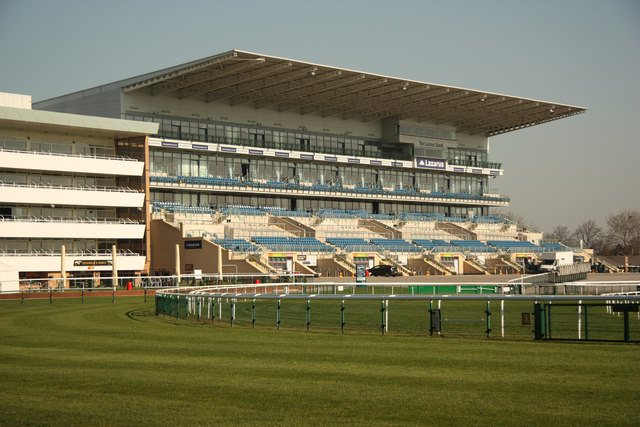

St Leger Festival Doncaster: Expert Tips and Insight
The St Leger Festival at Doncaster marks the end of the British flat season and brings a mix of classic distance contests and promising juvenile races to study. This expansion complements the race-by-race previews above with extra form analysis, market guidance and responsible-betting notes for readers aged 18+.
How to read form and race conditions for St Leger
Evaluating form for Doncaster requires attention to distance pedigrees, recent race patterns and how horses have handled similar ground and track contours. Focus on horses with proven stamina, consistent trainer-jockey partnerships and credible runs in staying trials such as the Queen’s Vase or Curragh Cup.
Evaluating trainers and jockeys for staying races
Trainer form at the end of the season can be as important as raw horse ability; some yards excel at peaking stayers for autumn targets while others wind horses down. Jockey bookings matter: experienced riders who judge tempo and conserve energy over a mile and six furlongs add measurable value to a fancy.
Interpreting pedigrees and breeding for classic distance
Pedigree clues are vital for the St Leger — look for sires and dams with staying influence or middle-distance stamina in their line. A horse bred for a mile and a half plus is likelier to handle the unique demands of Doncaster’s classic trip than one bred for speed-oriented distances.
Market moves, trap speed and how to read odds shifts
Early market moves often reflect stable confidence, late money can indicate wind-up or jockey bookings; monitor both to spot value without overreacting. Odds shortening on a stayer with proven stamina and a positive draw or pace setup is a stronger signal than large moves on juvenile runners with sparse form.
Staking strategies for big-field and small-field races
Different race sizes require tailored staking: in big handicaps spread stakes across multiple each-way options, while in small, high-class affairs consider smaller, value-driven stakes on favoured picks. Keep staking proportional to your bankroll and avoid chasing losses; betting should never be seen as a way to solve financial problems.
Assessing ground preference and course form details
Doncaster’s surface can vary from good to heavy depending on autumn rain, so prioritise horses with proven form on similar going. Also consider course-specific form — a Doncaster winner or horse that runs well at left-handed tracks may adapt quicker than one with only soft ground experience elsewhere.
How two-year-old form can signal future stayers
Two-year-old performances can be revealing when they show stamina or a late-closing style that suggests future success over a mile and a half plus. Look for juveniles who finish strongly and are well related for longer trips; these traits often translate into promising three-year-old staying prospects.
Using race pace maps and sectional data effectively
Pace maps and sectionals help identify races that will suit front-runners versus hold-up horses, which is crucial at Doncaster where tempo can dictate finishing positions. Match a horse’s racing style to the predicted pace profile rather than relying solely on overall ratings.
Doncaster track quirks and draw bias to note
Doncaster’s wide, galloping track rewards horses who can settle and finish strongly; inside draws on short straight courses are less decisive here than at other tracks. Still, check draw patterns for each specific trip and race type because far-side rails or turning points can influence ground advantage on the day.
Identifying class drops and handicapping opportunities
Class drops often produce value in handicaps when a horse returns to a more suitable level and can be backed each-way rather than to win outright. Analyse recent marks, weight changes and whether a horse is trending down to a previously successful mark before committing stakes.
Spotting unexposed stayers in the classic division
Unexposed stayers typically have fewer runs at three and may show progression across stepped-up trips; assess whether their runs hint at untapped stamina. Trainers who progressively increase distances are easier to trust than sudden, unexplained distance jumps.
How bookmakers set prices and what influences them
Bookmakers factor in form, trainer statistics, public money and liability when setting odds; influential markets such as ante-post classics react to news like entries, confirmations and jockey rides. Compare prices across firms to find the best available market while remembering offers and promotions vary by operator.
Responsible gambling guidance for St Leger and betting
Betting is for adults aged 18+ only and should be treated as entertainment with clear limits on time and spend. If you choose to bet, set a budget, use stake limits, and seek help if gambling stops being fun or starts to affect your finances and wellbeing.
Useful measures include deposit limits, self-exclusion options and seeking advice from organisations such as GamCare or BeGambleAware in the UK. Never chase losses or treat betting as a way to improve your financial situation.
Practical checklist before placing a bet at Doncaster
Before committing money, confirm the ground going, any late withdrawals, jockey changes and the most up-to-date odds across comparison sites. Check trainer and vet notes on race day and re-assess whether the original selection still represents value under current conditions.
How to use bookmaker comparisons and free bet offers wisely
Bookmaker comparison tools help secure the best price and find firm-specific promotions that can boost extra value without encouraging reckless staking. Explore offers as an addition to your wagering research, but always read terms and conditions and avoid accepting offers that push you beyond responsible limits.
Choosing the right markets for value and information
Beyond win-only bets, consider place markets, each-way spreads and forecast options where applicable, but ensure the market suits the selection’s profile. For example, an outsider with strong staying form may be a sensible each-way bet rather than a win-only punt in a Group One contest.
Managing in-play opportunities and volatility
In-play betting can offer attractive chances after the break but carries added volatility and requires discipline; set pre-defined stop-loss points and be mindful of latency and price movement. Where possible, keep in-play stakes smaller than pre-race to protect your bankroll from rapid swings.
Record keeping and learning from each card
Keep a simple record of stakes, markets, outcomes and rationale for each bet to spot strengths and weaknesses over time. Reviewing your selections after the meeting helps refine race-reading skills and improves future staking decisions.
Summary: integrating the previews into a betting plan
The race previews above offer concise selections and pointers; use the expanded analysis here to build a measured betting plan that focuses on value, track-specific nuances and sensible bankroll management. Keep bets proportionate, seek the best available odds via comparison tools and always follow responsible gambling practices.
Frequently asked questions about St Leger betting and tips
What should I look for when picking a St Leger selection?
Prioritise proven stamina, strong recent form over similar trips and trainer-jockey combinations with classic success. Also check ground preference and whether the horse has handled big-field tactics before backing any selection.
How important is draw and pace for Doncaster races?
Draw and pace influence each race differently; Doncaster rewards galloping, stamina-rich performances, so pace that collapses can favour strong closers. Always consult pace maps and recent race trends for the specific distance.
Can two-year-old form predict three-year-old staying ability?
Yes — two-year-old runs that show late stamina and strong finishes often translate to staying potential at three, especially when backed by staying-bred pedigrees. Treat juvenile form as part of a bigger picture rather than the sole deciding factor.
Should I use bookmaker offers to enhance value for these races?
Bookmaker offers can add value when used sensibly; compare free-bet promotions and enhanced prices but read the terms and never let offers dictate stakes beyond your plan. Offers are tools, not guarantees, and work best with disciplined staking.
What staking approach suits classic and handicap races?
Use smaller, value-focused stakes in high-class, small-field contests and spread stakes across several each-way options in large handicaps. Keep stakes proportional to your bankroll and avoid chasing losses.
Where can I find reliable odds comparison for the St Leger card?
Odds comparison sites and bookmaker comparison pages list best available prices and promotions across multiple firms, making it easy to shop around. Check several sources before placing a bet to ensure the most favourable odds.
How do I gamble responsibly during a major racing festival?
Set a clear budget, use account limits offered by operators and never bet more than you can afford to lose; betting is 18+ entertainment only. Seek help via national support services if gambling becomes problematic.
You can explore our recommended bookmaker offers and current free-bet promotions via our free bets comparison page at https://bestofbets.com/free-bets to find the best terms for new customers. For those interested in casino welcome offers, see our affiliated casino bonus listings at https://bestofbets.com/casino-bonus for the latest promotions and terms.