

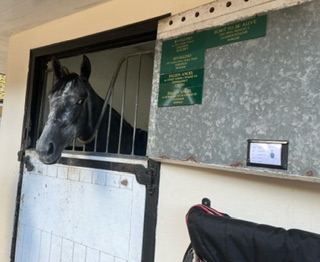

Leopardstown big-race preview and expert guidance
This expanded guide complements our on-course analysis at Leopardstown by breaking down form lines, tactical angles and value pointers for the feature races described above. It is written for informed UK readers who want practical insight to help interpret markets and race dynamics without encouraging irresponsible gambling.
How to read form and spot value bets at Leopardstown
Reading form is about patterns rather than single lines: look for consistent course records, progressive speed figures and trainers who target these contests. Cross-reference recent runs with race shape and jockey bookings to find where the market may be underestimating a genuine improver.
Value comes from combining form, suitability and market context; a runner dropping in trip or returning from a suitable prep can be overlooked. Always factor in draw, going and whether the race sets up for closers or front-runners before committing stakes.
Assessing the Solonaway Stakes: pace and profiles
The Solonaway often favours a strong miler with a turn of foot and proven Group form, which helps explain interest in Maljoom after his top-class mile runs. Consider horses with experience at Group Two level or those who have shown a decisive late kick in similar fields when assessing each runner’s chance.
When the pace looks honest, horses that can settle mid-division and produce a sustained finish are at a premium. Conversely, a tactical race with a slow early tempo will benefit those able to sprint home from the front and is worth weighing against betting odds.
Reading jockey bookings and their market impact
Jockey declarations can reveal connections’ confidence and intended ride tactics, especially where a stable has more than one representative in a race. A leading rider switching to a more exposed horse can be a market mover, while a less experienced booking might indicate a holding ride.
Use singleton bookings as part of your overlay assessment, but avoid overvaluing last-minute changes unless supported by public form or stable patterns. Betting markets adjust quickly around notable jumps in jockey quality, so plan stakes accordingly.
How ground conditions change each horse’s chance
Ground at Leopardstown can vary from good to soft and some horses have clear preferences that alter their competitive profile. Horses returning from summer campaigns or those proven on top-class turf can be more reliable when the going is variable.
Compare each horse’s best ground with the forecast and consider simple percentage adjustments in expected performance rather than assuming absolute form reversal. Trainers who target specific going will often provide clues in their pre-race comments.
Key contenders in the Coolmore Matron Stakes field
The Matron at Group One level tends to split on experience against raw juvenile talent and proven older fillies, so Fallen Angel’s Irish Guineas win deserves respect in the market. Analyse three‑year‑old progression and whether older rivals like Rogue Millennium have form against similar calibre opponents.
Look at each filly’s speed maps and late speed figures to determine who naturally finishes strongly over a mile. If the race collapses into a sprint finish, horses with a proven turn of foot usually take preference to long‑range pressers.
Managing bankrolls and staking for festival days
Festival days are high-volume betting occasions; a simple, level-stake or percentage staking plan reduces emotional decisions and preserves a long‑term approach. Set a strict session limit before markets open and never chase losses to recoup prior stakes.
Allocate stakes by confidence grade and size of value identified rather than by favourite status alone, and treat each race as an independent outcome within your broader staking strategy. Responsible money management helps maintain enjoyment and reduces long-term financial risk.
Tactical breakdown of the Irish Champion Stakes race
The Irish Champion has a history of tactical diversity and often pits front‑running types against those who prefer to close, which makes race shape assessment critical. Los Angeles offers an intriguing profile as a consistent three‑year‑old with form over similar trips, and his Derby and Irish Derby placings speak to class and stamina.
Consider how pace-influence horses such as Economics and Auguste Rodin might affect the finishing order and whether hold-up tactics will be viable on the day. A race that favours sustained stamina will disadvantage short‑sharp milers, while a true-run contest can bring fast middle-distance horses into play.
Handicap insights for the Pentingo mile and a half
Premier handicaps like the Pentingo require balancing recent flat form with jumping exploits for dual‑code horses such as Nurburgring. Horses that have switched successfully from hurdling to the flat often carry confidence and fitness, but their mark and trip suitability remain deciding factors.
Profile runners who have shown strong late sectionals over similar trips, and adjust expectations for mares or older horses who may be struggling with a mark that no longer reflects current ability. Look beyond the headline rating to recent race shape and finishing effort.
Betting markets, value and in-running pointers
Pre-race odds reflect public perception, trainer reputation and media attention, so value is most often found where form lines diverge from headline narratives. Assess overlays by comparing your independent rating against the market and reserve a percentage stake for those genuine discrepancies.
In-running trading at Leopardstown can favour horses that handle traffic and navigate rails well; those who travel kindly and maintain momentum are best placed to take advantage of pace collapses. Keep stakes conservative when switching to in-running markets and prioritise horses you’ve analysed beforehand.
Practical checklist for race-day punters at Leopardstown
Before placing any punt check the going, draw, declared jockeys, and any late rain forecasts that could change the race surface. Cross-check trainer patterns across the festival and watch for stable comments that indicate final preparations and intended tactics.
Stick to a pre-defined staking plan and avoid multiple large wagers across too many races; selective, evidence-based bets are preferable. Remember that markets can move quickly close to post, so set alerts or place bets with clear limits if you prefer to act earlier.
Responsible gambling and age requirement reminder
Gambling should only be undertaken by those aged 18 or over and it should be a recreational activity rather than a way to make money. If you choose to back selections on the Leopardstown card, do so within preset limits and treat losses as part of the entertainment cost.
If gambling causes concern for you or someone you know, seek help from recognised support services and consider tools such as deposit limits, time-outs and self-exclusion offered by licensed bookmakers. You can explore bookmaker comparisons through our tools if you choose to bet responsibly.
How to use our bookmaker comparison and free bet tools
Our comparison tables list key terms, welcome offers and responsible gambling features so you can make an informed choice about where to place a bet. Look for sites that display clear age verification, affordability checks and a range of protection tools before opening an account.
Remember that offers vary by provider and terms apply; read full T&Cs and confirm eligibility before agreeing to any promotion. We list affiliate offers for transparency and to help you compare options without pressure to act immediately.
For further reading on free sign-up incentives you can explore our up-to-date list of bookmaker welcome offers here: BestOfBets free bets and bookmaker offers. If casino bonuses are of interest, see our curated list of affiliate casino bonuses here: BestOfBets casino bonus offers.
Frequently asked questions about Leopardstown race day tips
Q: Is betting legal on these races for UK residents?
A: Yes, UK residents aged 18+ may place bets with licensed bookmakers subject to local laws and bookmaker terms.
Q: How should I assess a horse coming from hurdling to the flat?
A: Check recent flat form, trip suitability and whether the horse showed a strong finish over obstacles; fitness can be a plus but ratings need careful interpretation.
Q: Are jockey bookings a reliable guide to expected performance?
A: Bookings are a useful indicator of trainer intent but should be combined with form and race shape analysis rather than used in isolation.
Q: How do I spot value in Group One races like the Matron or Champion Stakes?
A: Compare your own ratings to market odds, consider unexposed three‑year‑olds and check for horses returning from specific preps that suit the race conditions.
Q: What responsible gambling tools should I use during festival days?
A: Use deposit limits, session budgets, reality checks and self-exclusion if needed, and never bet more than you can afford to lose.
Q: Can I rely on previous course form at Leopardstown?
A: Course form is valuable but must be balanced with current fitness, ground conditions and any step up or down in trip when predicting outcomes.
Q: Should I place in-running bets at Leopardstown?
A: In-running betting can offer opportunities but increases risk; keep stakes small and back horses you have analysed for race shape and running style.
Q: Where can I find up-to-date bookmaker offers and casino bonuses?
A: Our free bets page lists recommended bookmaker welcome offers for new customers and our casino bonus page collates affiliated casino bonuses with key terms clearly presented.
Remember: betting is for adults aged 18 and over only; gamble responsibly and seek help if gambling stops being fun.