

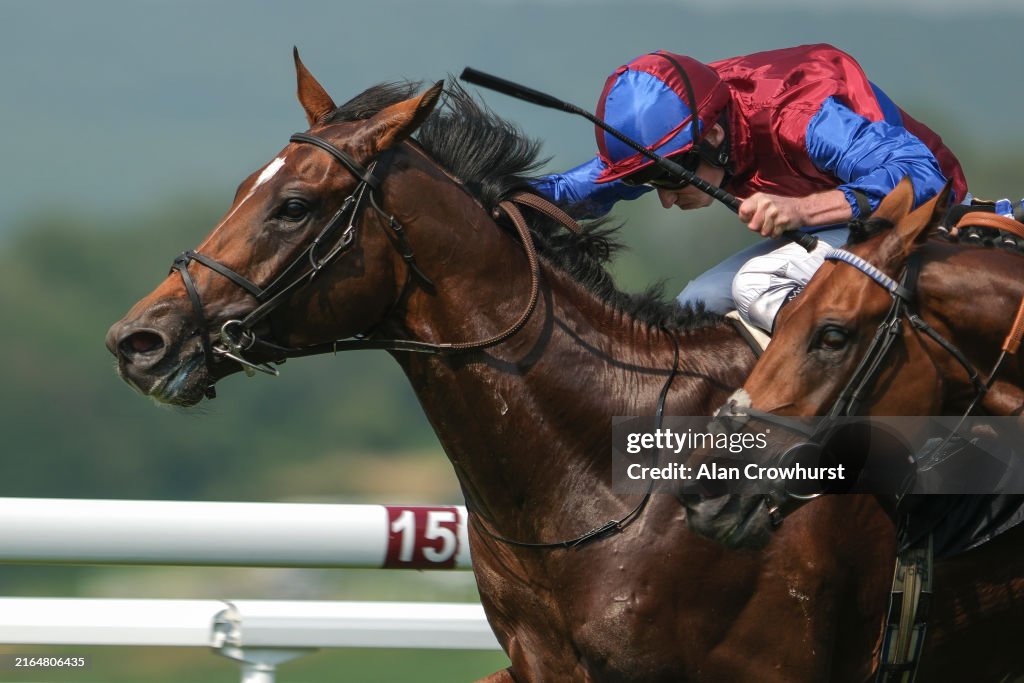

St Leger 2024 Preview: Form, Tips and Betting Guide
Key angles to consider before placing a bet
This expanded preview complements our existing race piece by breaking down form, pace, draw, trainer patterns and market context ahead of the 2024 St Leger at Doncaster. Always remember betting is for persons aged 18 and over and should be approached responsibly; never stake more than you can afford to lose.
Jan Brueghel form analysis and stamina questions
Jan Brueghel arrives unbeaten and steps up markedly in class from Group 3 company to a Classic Group 1 assignment, which raises sensible stamina and composure questions. His wins on differing turf suggest adaptability, but judges will want to see if he stays the extra distance under heavy Group 1 pressure.
How draw and early pace will influence finishing
Doncaster’s straight mile and six-furlong run-in for the St Leger means early position and where a horse is drawn can affect race shape more than raw gate number. A strongly run early pace could expose those who want to settle deep, while a tactical, slow tempo helps those with a late turn of foot.
Illinois profile: OBrien runner and fitness
Illinois is market principal after a solid showing at Royal Ascot and consistent placed efforts in Group company, giving him a clear form line for a staying test. His pattern of finishing suggests he handles a stronger gallop and can produce a late surge, but stamina over 14f will be assessed against proven stayers.
Trainer and jockey matchups to note for bettors
Aidan O’Brien’s entries form a notable pattern with siblings shipping from Ballydoyle, and jockey bookings can indicate the stable’s preferred mount on the day. Check which rider is settled on which horse and whether apprentices or experienced stayers take the leg-up; that often signals race plans and confidence levels.
The other contenders: Sunway, You Got To Me and more
You Got To Me brings strong classic form and placed efforts at the top level, suggesting he has the class to be competitive in the Leger if handling the additional trip. Sunway’s French form and previous Doncaster form offer e/w appeal, particularly if the ground suits and he receives a favourable run from stall two.
Tactical race scenarios and pace maps to watch
Expect three broad scenarios: a genuinely strong early gallop suiting proven stayers, a slowly run tactical affair that favours a powerful closer, or a mid-pace battleground where positional speed and stamina mix. Mapping likely front-runners and riders who habitually force a pace will help shape which horses are favoured by the race shape.
Market movements and betting odds to monitor
Watch for market drift or shortening in the final 24 hours as stable reports and the going become clearer; shifts often indicate insider confidence or late money. Markets for each-way value, each-way terms, and non-runner money-back promotions can also materially change value calculations.
Course trends, St Leger history and form lines
Historic Leger winners show a mixture of proven middle-distance form and staying pedigree, with horses that had progressive campaigns through the summer often favoured. Doncaster trends include success for those with previous 12f performances and the ability to handle a testing late furlong rather than only turn-of-foot sprinters.
How weather and going can reshape each runner’s chance
Going plays a crucial part; a drying surface benefits horses with a turn of foot, while soft turf tends to favour raw stamina and robust action. Jan Brueghel’s wins on various ground types are encouraging, but expect horses like the Queen’s Vase winner to improve if the ground is on the softer side.
Comparing international form: Curragh, Goodwood, Doncaster
Recent form lines from the Curragh, Goodwood and Doncaster provide context: Curragh running often indicates a staying pedigree, Goodwood tests stamina and handling on tricky undulations, and Doncaster’s straight track examines resolution and balance. Cross-referencing these tracks helps identify which horses are proven under race-relevant conditions.
How to read the racecard and interpret class steps
When reading the card prioritise race class, recent trip and finishing effort distances; a horse stepping up from Group 3 to Group 1 needs an adjustment in expectation but can still be competitive. Look for horses whose closing speed increased with distance, and note any horses that may struggle with the class jump without prior Group 2 experience.
Value betting pointers and staking plan reminders
Identify value by comparing implied odds against your assessed chance, favouring horses that may be overlooked by the market due to inexperience rather than form. Keep stakes proportionate, avoid chasing losses and consider small each-way punts for larger fields where every horse has scope to improve.
Trainer and jockey matchups to note for bettors
Form cycles from certain trainers at this meeting can provide subtle edges; novices that thrive after placement changes or with new jock pairings often see improved performance. Jockeys with recent Doncaster or long-distance experience can influence finishing placement, especially in tightly run Classics.
Final summary and short betting checklist for readers
In summary, balance the unbeaten profile of Jan Brueghel against the race-class step and the proven stamina of rivals such as the Queen’s Vase winner, and weigh O’Brien’s trio dynamics carefully. Consider pace shape, going, trainer form and market moves, and always bet within your limits — this guide is for information and not a promise of outcomes.
You can explore current bookmaker offers and compare free bets to find competitive terms and each-way options if you choose to bet responsibly. If you are also interested in casino promotions, see our curated list of casino bonuses for new customers at BestOfBets casino bonus offers.
Common questions about the St Leger and betting
Is Jan Brueghel a genuine St Leger contender?
Jan Brueghel profiles as a contender on form and adaptability, but his step up to Group 1 needs careful consideration regarding stamina and race tempo. Always remember betting is for those aged 18+, and decisions should reflect personal risk limits rather than emotion.
Should I back Illinois given his Royal Ascot run?
Illinois’s Royal Ascot form and subsequent placed efforts in Group company make him a credible contender, particularly if the pace allows a late surge. Stake proportionally and avoid treating a single run as definitive proof of success at Classic distance.
How important is draw at Doncaster for stayers?
Draw is influential because certain lanes can produce cleaner ground or better racing lines, affecting horses that prefer to race prominently or come from off the pace. Examine likely early leaders and the jockeys’ propensity to race wide or take back positions before committing to a selection.
What pace scenario suits a St Leger winner?
A genuine staying test with a strong early gallop often favours proven stamina types, while slower tactical races can favour a powerful closer with a sharp turn of foot. Consider which runners handle tempo variations and which have form when races are run at different speeds.
Are there value bets among the current market?
Value can emerge where inexperience or stable depth leads to underpricing, such as a lightly raced colt with progressive form and a suitable pedigree for 14 furlongs. Compare bookmaker odds, check form lines and look for horses whose chance you rate more highly than the market does.
Where can I compare bookmaker free bet offers?
You can compare current free bet offers and welcome promotions at our free bets page to assess terms, minimum stakes and wagering requirements before placing a bet. Always use promotional offers responsibly and ensure you meet age and location eligibility, with 18+ rules applying.