

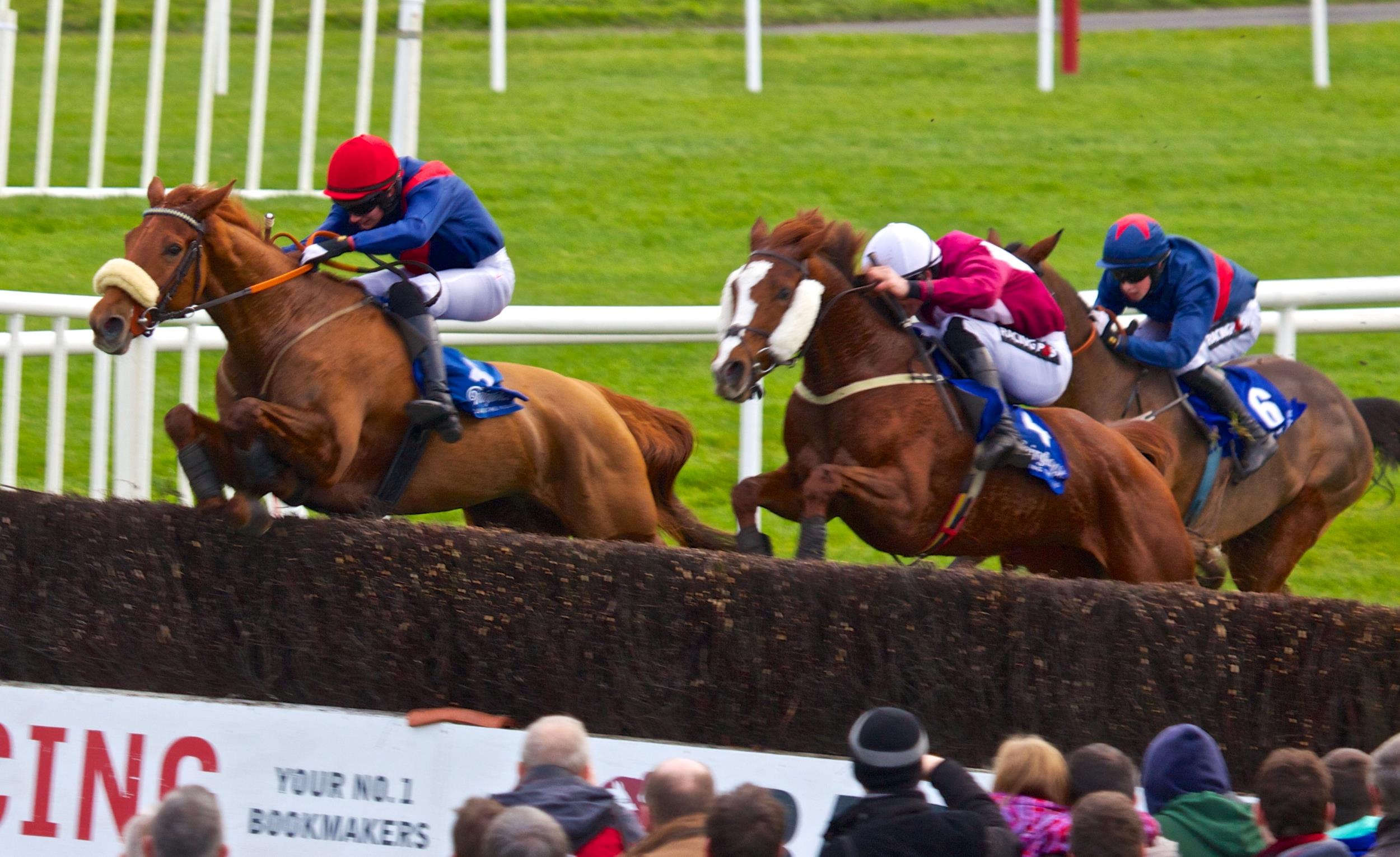

Weekend Tips: Newmarket, Goodwood and Punchestown Picks
This expansion builds on the selections already provided for Newmarket, Goodwood and Punchestown, adding context, strategy and practical guidance for readers. It explains form lines, weight considerations and how to use bookmaker comparisons responsibly when considering a small stake.
Form, Fitness and Weight: What Matters Today
Understanding recent form, how race fitness affects outcomes and the impact of weight is central to backing smart selections at HQ and Punchestown. This section outlines key principles that informed the original tips and helps readers apply them to other races.
Analysing Flat Racing Form at Newmarket and Goodwood
Flat form often hinges on margins, track bias and the quality of opposition; a close second at Newmarket can be more convincing than a narrow win in a weak handicap. Look for horses that have run to consistent marks and shown the ability to handle the prevailing ground and pace conditions.
Reading Course Biases and Going Descriptions
Newmarket and Goodwood each have distinct quirks — Newmarket’s undulations and Goodwood’s camber can favour specific running styles. Check the going description and recent winners’ profiles to see which style is being favoured that day.
How Recent Race Fitness Alters Expected Performance
A first run of the season often brings fitness gains; horses that finished strongly last time are more likely to improve for a recent outing. When a trainer mentions the horse has “come on a lot”, weigh that comment against finishing effort and timing between races.
Interpreting Two-Year-Old and Classic Trial Form
Two-year-old form at Group level is particularly useful for predicting early-season potential, as many Classic contenders show raw speed and class at two. When a horse like Toca Madera has strong juvenile Group form, it adds a layer of confidence for competitive handicaps or pattern races.
Using Form Lines Between Different Race Grades
Comparing performances across grades requires looking at rival ratings rather than finishing positions alone; a third to a rated 110 horse is often more valuable than a win in lower company. Re-assess each rival’s subsequent form to adjust your view of a horse’s performance.
Assessing Weight Claims, Mark Swings and Course Form
Weight changes and jockey claims can create meaningful swings, especially over sprint and middle distances where pounds translate to lengths. Tommie Jakes’ 5lb claim on Toca Madera, and the historical goodwood match-ups referenced, are practical examples of how claims alter expectations.
When the same two horses meet again, the interplay of marks and claims should shift your projection of the finishing order rather than relying solely on the prior margin. Keep note of which jockeys consistently get the best from horses at these courses.
Novice Hurdles and Staying Chases: Punchestown Perspective
Punchestown novice and staying contests often bring improvements from horses returning from a break or switching codes, so progressive profiles warrant extra attention. The Yellow Clay and Viroflay examples underline the significance of proven stamina and prior point-to-point or hurdle ability.
For staying chases and novices, target horses that showed strong jumping at their last start and have a clear stamina pattern in their pedigree or past runs. A return to three miles for a proven stayer can reveal a notable uptick in form.
Trainer and Jockey Patterns to Monitor This Weekend
Certain trainers and jockeys operate with reliable patterns — whether it’s course-specific preparation, placing horses to peak for festival days, or tactical rides. Tracking those routines helps separate well-planned entries from opportunistic runners.
When trainers like Richard Hannon or yards active at Punchestown make subtle equipment or placement changes, treat those decisions as signals worth investigating rather than taking at face value. Past behaviour often predicts how a horse will be campaigned.
How Recent Weather and Ground Changes Affect Picks
Ground fluctuations between good and soft can materially change race shape and which horses are favoured, especially in Irish and UK spring meetings. Horses proven on soft ground retain value when rain arrives, while improved ground can favour speedier types.
Always re-check market moves and official going updates before finalising a selection, since late rain or drying ground can upend a short-list created from earlier cards. Adjust stakes and selection priority based on confirmed ground.
Practical Stakes Strategy and Bankroll Guidance
Approach weekend selections with a clearly defined staking plan and accept that variance exists; small, consistent stakes across well-researched bets are preferable to chasing losses. A unit staking method helps preserve capital and maintain discipline over a festival run.
Set maximum exposure per meeting and resist pressure to increase stakes after a loss; this reduces emotional decision-making and keeps betting within recreational limits. Remember that betting is 18+ only and should be treated as entertainment.
Reading Racing Commentaries and Trainer Notes Effectively
Brief trainer comments in the Racing Post or track notes can be useful but should be parsed with context and past behaviour in mind. Comments like “came on a lot” are helpful when combined with objective data such as finishing splits and pulse-check race fitness.
Use commentary to corroborate what the form suggests rather than override your own notes; trainers and jockeys sometimes play subtle games with public statements, so cross-reference where possible. Maintain a balanced view between subjective praise and hard form.
Using Bookmaker Prices and Market Movement to Gauge Value
Early market movers can reflect insider confidence or public sentiment, but late shifts often contain the most actionable information ahead of post time. Monitor significant shortening or lengthening and consider why that movement has occurred before reacting.
Comparing prices across reputable bookmakers is sensible to find best available odds; the marginal difference in price can tilt an otherwise marginal bet into a more acceptable value proposition. You can explore bookmaker offers through comparison tools responsibly.
How to Use Bookmaker Comparisons for Value
Bookmaker comparison helps identify the best price and available place terms for each selection, which is particularly helpful for each-way bets and novices with uncertain finishing positions. Use reputable comparison services and understand the terms attached to offers.
Remember to check account eligibility and general terms; promotional odds and free bet offers are subject to conditions and usually aimed at new customers. Always prioritise licensed UK operators and play responsibly.
Event-Specific Notes: Punchestown Festival Context
Punchestown’s day four often features high-quality staying contests and veteran chasers; evaluate age, recent leaps and recovery from long trips. Horses returning from a break who jump fluently and have point-to-point or strong NH backgrounds can be major players.
For events like the Champion Hunters Chase and Grade 1 novice hurdles, focus on consistent jumping, proven stamina and tactical adaptability. In open fields, look for horses that have a known preference for the track and have shown strong finishing efforts when tested.
Checklist Before Placing a Bet at the Track or Online
Before committing to a stake, confirm the going, jockey booking, declared rider, weight and any late non-runners; minor changes can affect race dynamics. Re-assess the odds one final time and ensure the selection still meets your value criteria.
Keep betting modest and within your pre-determined bankroll limits and remember that outcomes are uncertain; never wager more than you can afford to lose. Betting is for those aged 18 and over.
Responsible Betting and Useful Resources
If gambling starts to feel less enjoyable or begins to affect your finances or relationships, seek help early from UK support services and gambling helplines. Organisations like GamCare and BeGambleAware provide confidential support and practical self-help tools.
Set deposit limits, use self-exclusion options if needed and take regular breaks from betting activity to maintain control. Informational tools and bookmaker comparison pages can help you stay within safe limits while exploring offers.
For readers interested in exploring bookmaker offers, you can browse our free bets comparison page to see current recommended offers from multiple licensed operators: BestOfBets free bets and offers.
For those considering casino bonuses as an alternative form of entertainment, our curated list of casino welcome offers is available here: BestOfBets casino bonuses and promotions.
FAQs: Practical Answers on Picks and Responsible Betting
Are these selections suitable for small stakes only?
Yes, the selections are intended for small, recreational stakes as part of a disciplined approach to betting. Betting is 18+ only and should be done responsibly without risking essential funds.
How should I treat trainer comments when assessing a bet?
Use trainer comments as an additional data point and cross-check them against objective form and recent results. Treat remarks cautiously and avoid increasing stakes based solely on optimistic quotes.
Do jockey claims make a big difference at these meetings?
Jockey claims can influence handicaps noticeably, particularly in tightly contested handicaps and sprints where pounds equate to lengths. Factor claims into your assessment but combine them with form and course suitability.
How do I manage my bankroll across a festival weekend?
Set a unit-based staking plan and limit total exposure for the weekend before the first race. Avoid chasing losses and keep bets within amounts you can comfortably afford to lose.
Are place terms and each-way betting useful for festival races?
Each-way terms can offer value in large fields and open handicaps where a solid each-way proposition exists. Compare place terms across bookmakers and only back each-way when the terms and price justify it.
What should I check for last-minute before placing a bet?
Confirm the official going, declared jockey, any late non-runners and weight confirmations, as these can alter race dynamics. Re-evaluate the market and ensure you are still getting acceptable value.
Where can I find help if I’m worried about my gambling?
If you have concerns about your betting, contact UK support services such as GamCare or BeGambleAware for confidential advice. Help and self-exclusion tools are available and recommended for anyone aged 18+ who feels they may be at risk.
Can I use multiple bookmaker accounts for best odds?
Yes, using multiple licensed bookmakers to secure the best odds is common practice and sensible for value hunting. Ensure you comply with each operator’s terms and gamble responsibly at all times.