

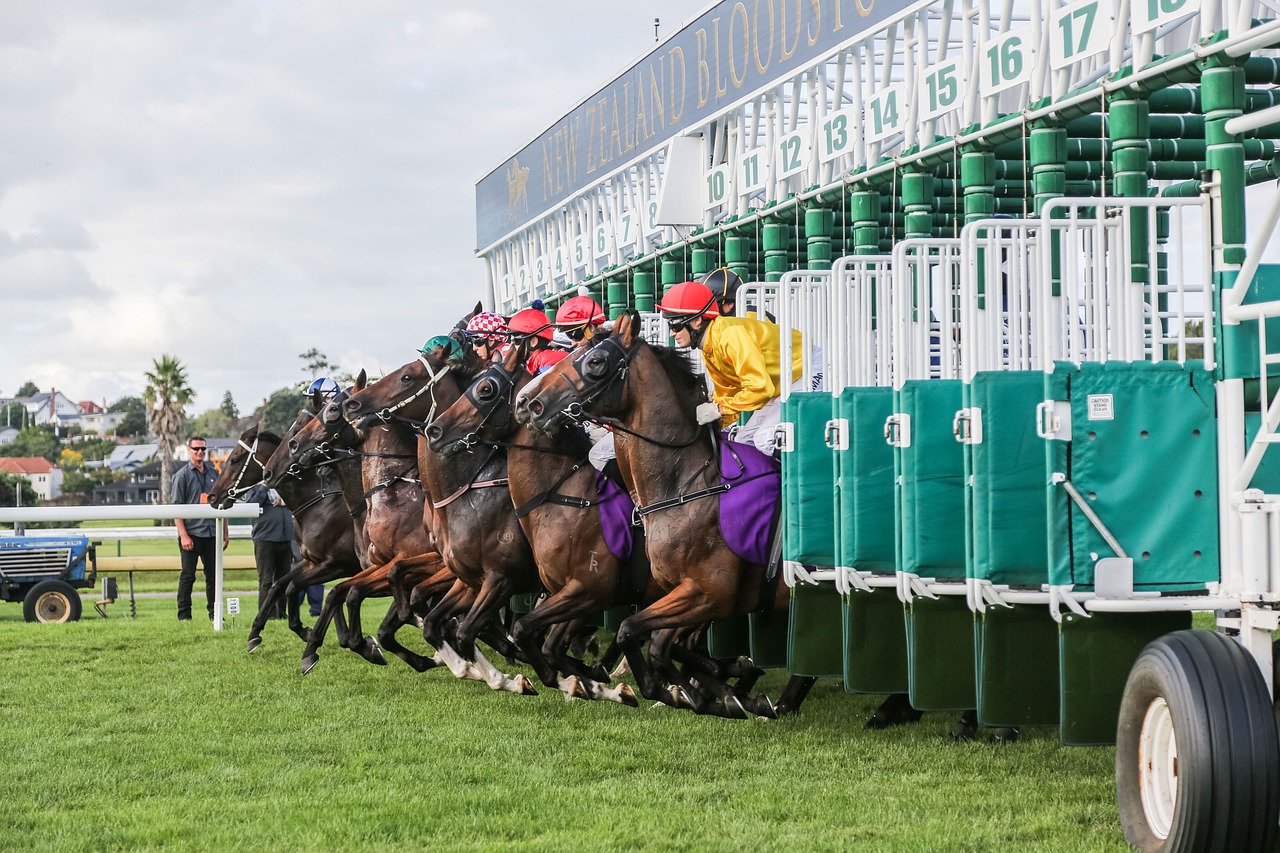

Newmarket 2000 Guineas Day: Expert Race Preview
This preview expands on the selections already shown for Newmarket 2000 Guineas Day and provides in-depth form context, betting considerations and race-day market guidance. Gambling is for 18+ only; please bet responsibly and seek support if gambling causes harm.
Form, Trends and Trainer Notes Ahead of Newmarket
The Classic and surrounding card reward careful form reading; recent course runs, weight patterns and trainer strike-rates can all influence outcomes. This guide highlights why the selections named on the card are of interest and how to approach each race from a betting and staking perspective without implying guaranteed returns.
Key Contenders: Why Dutch Decoy Looks Interesting
Dutch Decoy’s recent pattern of strong finishes in the Suffolk Stakes and a workable current rating make him a worthwhile each-way choice on the Newmarket card. The combination of a trainer finding form and the horse’s proven handling of similar tracks and distances supports the view that he can be competitive off his present mark.
When assessing Dutch Decoy, note his recent race purposes and seasonal preparation; an early-season run for fitness can mask true ability if the stable targets a specific peak. Punters should watch market moves and jockey bookings on the day as these often reflect insider confidence, then decide on stake size within a pre-set bankroll plan.
Flight Plan and Handicap Insights for Thirsk Race
Flight Plan’s profile — a horse stepping into a competitive handicap off a reduced mark and with a recent run for fitness — fits the classic pattern of a Group/Listed performer dropping into handicap company. Evaluate his draw and running style relative to likely pace; a prominent racer in a slowly run handicap can be vulnerable, while a strongly-run affair may suit him better.
Trainer patterns are important: a yard who targets the Thirsk Hunt Cup or similar handicaps will often set a clear campaign for such horses. For Flight Plan, consider how the handicapper’s recent leniency and the jockey pairing shape his chance, then compare available each-way terms across bookies before committing a stake.
Washington Heights: Sprint Form and Track Suitability
Washington Heights has strong Newmarket form and proven six-furlong stamina, which often translates to five-furlong success at the track due to the dip and ground characteristics. Freshness records show he runs well after a break, and his Group 3 Abernant form gives him a solid platform against rivals who lack similar Group class.
When assessing sprint contests, factor in prevailing ground and draw bias on the day; Newmarket five-furlong contests can favour certain racing positions depending on track rail placement. Given Kevin Ryan’s yard strike-rate and the horse’s known ability to handle the dip, a measured win stake is a realistic approach for those backing him.
Ruling Court and Classic Potential at Newmarket
Ruling Court’s juvenile form and strong seasonal progress place him among the natural hopes for the Classic, especially with a top jockey committed. Assessing him involves comparing his last runs against the standard set by contemporaries and recognising progressive three-year-olds who have trained on from two to three convincingly.
Look at Ruling Court’s stamina indicators and how connections have placed him in trials and overseas runs; a horse that moves positively from a Meydan run or a classic trial is often on an upward curve. Market confidence and any overnight drift should inform whether to take the available price or reduce liability to each-way terms.
Market and Odds Movement: What to Watch Today
Market shifts in the hours before a race can reveal valuable insights from the betting public and industry insiders, but they should be weighed against form and fitness evidence. Keep an eye on early money, any late non-runners affecting fields and changes to declared jockeys; small adjustments can alter each-way value materially.
Comparing odds across bookmakers and shopping for the best each-way terms are essential habits for long-term account management. Use trusted comparison tools to spot value and confirm whether the price you see is the most attractive available within your bookmaker logins.
Betting Strategy: Each-Way Versus Win Stakes
Decide your approach before market fluctuations: an each-way stake protects against narrow defeats in competitive fields while a win-only play offers greater return potential but higher variance. Staking should always sit within a fixed bankroll plan and avoid chasing losses or increasing stakes after defeats.
How to Use Form Lines and Recent Course Runs
Prioritise recent form, course and distance experience, plus the significance of the weight carried in relation to previous wins and placings. Cross-reference those form lines against the race conditions and likely pace to make a reasoned selection rather than relying on headline statistics alone.
Responsible Betting: Limits, Timeouts and Support
Always set deposit, stake and time limits and use self-exclusion tools if gambling becomes problematic; these measures protect your bankroll and wellbeing. If you or someone you know needs help, consider support services such as GamCare or GamStop and consult the responsible gambling tools offered by your bookmaker.
Trainer Form, Jockey Picks and Seasonal Targets
Trainer strike-rates at the track and in comparable races provide a strong guide to performance expectation, particularly for trainers who target specific meetings. Jockey selection matters; committed top riders often indicate that connections expect a realistic chance and can influence a horse’s finishing position.
Consider also whether the horse is likely part of a wider seasonal plan — some three-year-olds are aimed specifically at the Guineas circuit while others are being readied for summer targets. This context helps assess whether a run is a true attempt or a stepping stone.
Practical Race-Day Tips for Punters and Bettors
On raceday, confirm final declarations, check going reports and watch warm-ups where possible to identify any horses that appear out of sorts or exceptionally sharp. Keep stakes small relative to bankroll and avoid staking increases based on short-term emotion or social media tips.
Shop around for the best odds and each-way terms, and use bookmaker comparison pages to view the market quickly and responsibly. You can explore current bookmaker offers through our comparison tools if you choose to bet responsibly and within your limits.
How This Guide Fits Into Broader Betting Plans
This piece is intended to complement your pre-race research and serve as one data point among many when forming a view on Newmarket 2000 Guineas Day. Combine these insights with personal judgement, up-to-the-minute market data and sensible staking to make informed decisions.
Note that past performance is not a guarantee of future returns; always treat betting as entertainment and not a source of income. Find bookmaker comparisons to compare odds and offers across the market and decide where you get best value.
For a summary of current sign-up free bets from top bookmakers, visit our free bets page at https://bestofbets.com/free-bets where we list recommended offers and terms. For casino players looking for welcome bonuses in a responsible way, see our curated list of casino sign-up offers at https://bestofbets.com/casino-bonus.
Common Questions About Newmarket Selections and Betting
Q: How should I interpret Dutch Decoy’s rating drop?
A: A rating drop can indicate potential value when the horse has recent form at higher marks; confirm fitness and trainer intent before backing.
Q: Is Flight Plan better each-way or win-only in handicaps?
A: In competitive handicaps an each-way approach often offers better value, especially if the horse carries previous Group experience into the race.
Q: Does Washington Heights need six furlongs to win?
A: He has shown strong form over six furlongs but also has credible five-furlong performances, making him adaptable depending on pace and ground.
Q: What makes Ruling Court a Classic contender?
A: Progressive juvenile form, positive training reports and a top-class jockey can suggest Classic potential, but monitor the market and race-day variables.
Q: Are late market moves reliable indicators of a horse’s chance?
A: Late money can be informative but should be balanced against stable news, jockey changes and official declarations; it is one of several tools, not decisive proof.
Q: How do I manage stakes responsibly across a festival card?
A: Set a session budget, distribute stakes by confidence and avoid increasing liability after losses; maintain bankroll rules regardless of short-term swings.
Q: Who should I contact if racing betting becomes a problem?
A: Seek help from UK support services such as GamCare or use GamStop self-exclusion if needed; gambling is for 18+ only and support is available.
Q: Can I rely on bookmaker offers when placing bets?
A: Offers can add value but always read terms and conditions; use comparison tools to ensure you select offers that fit your planned staking and risk management.