

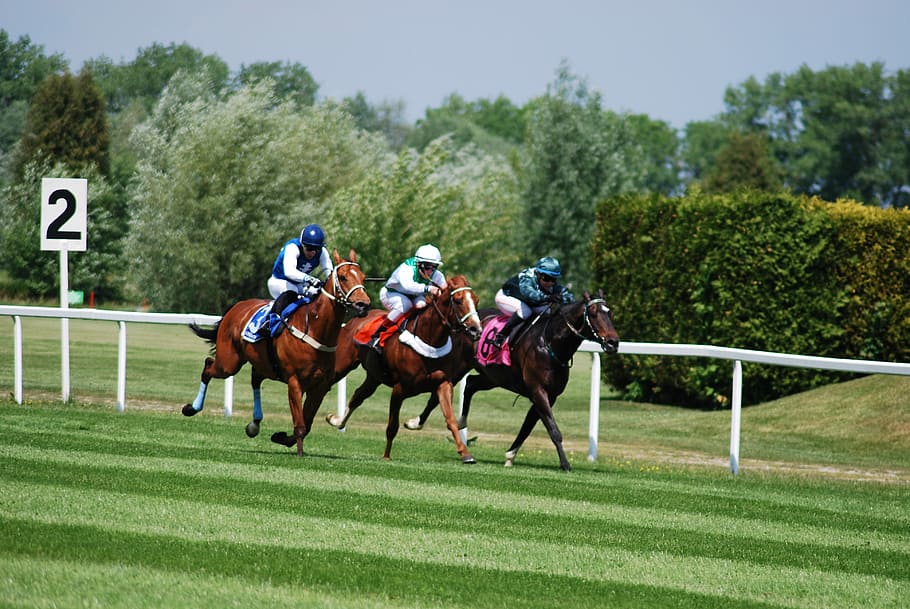

Royal Ascot Day Three: Selections, Analysis
Below you’ll find detailed, race-by-race analysis to complement the picks already published for Royal Ascot Day Three. The aim is to give context on form, value and practical betting considerations while encouraging sensible, informed choices.
Race-by-race Insights and Betting Considerations
These notes expand on the selections and look at how trainers, jockeys, track and market moves combine to influence race outcomes. Read with the understanding that betting involves risk and is for 18+ only; never stake more than you can afford to lose.
Why Eldar Eldarov is the NAP selection at Ascot
Eldar Eldarov has been selected as the NAP because his staying profile and recent performances tick the boxes for a Gold Cup test over the Ascot trip. He carries a rating that reflects consistent improvement and the combination of stamina, proven form at longer trips and a suitable prep run gives him the statistical edge.
This is not a guarantee, but a reasoned view based on form lines and race dynamics; market movement and ground on the day remain important variables. Backing should be measured and in line with personal staking plans.
Key form pointers for the Gold Cup contenders
The Gold Cup is a test of sustained stamina, so look for horses with winning or placed form over extended trips rather than late-developing speed types. Recent runs in recognised staying contests, evidence of coping with fast or testing ground and a proven staying pedigree are the primary markers to weigh up.
Also consider horses returning from a break where the trainer has targeted this race specifically, as their conditioning programmes often differ from horses on a regular seasonal pattern. Bet sizing on such runners should reflect uncertainty around peak fitness.
Value angles: handicaps and each-way opportunities
Handicap races at Royal Ascot can offer value when a lightly-raced horse has scope or when a speedy type drops in class for a trainer excelling at turnaround. Each-way strategies work best in large fields where race conditions spread money across more finishers; check the bookmaker terms for each-way places before committing.
Given the depth of fields at Ascot, shopping for the best price and understanding place terms can materially affect long-term returns from each-way punts. Always compare prices across reputable bookmakers rather than assuming the first available price is representative.
How track conditions and draw affect Ascot races
Ascot’s round course presents different challenges depending on trip and race shape; inside draws on straight mile options can favour hold-up horses on fast ground, while wide draws may be less penal on big-field handicaps. Firmness of the turf materially alters how races are run, so monitor official going updates close to off.
Jockeys who read races well around Ascot’s undulations can unlock late-running chances, especially when the ground is riding slower than forecast. Be ready to adapt selections if the going changes significantly from the morning assessment.
Norfolk Stakes: what to expect and betting edge
The Norfolk Stakes often showcases precocious juveniles who handle early speed and course sharpness, so recent two-year-old form over five to six furlongs is critical. Elite Status looks to have the speed and experience to cope with the Ascot setup, but watch market responses for any late entries or gelding reports.
For traders, consider backing a strong surface-dependent juvenile only once the going is certain, and remember that first-time Lasix or wind changes can alter a horse’s attitude markedly. Short-priced favourites should be assessed against likely pace scenarios.
King George V Stakes: handicaps and chances
The King George V is a heritage handicap that often rewards improvers stepping up from maidens or non-handicap pattern races. Davideo’s profile of recent improvement and an appropriate mark makes him an interesting each-way or win contender depending on market confidence.
In such handicaps, check for recent course-and-distance form and trainer success rates with three-year-olds carrying similar weights. A modest stake in a structured staking plan is the sensible approach here.
Ribblesdale Stakes: staying fillies to follow
Ribblesdale form often points to fillies that will progress with time and may appreciate a step up in trip, so Al Asifah’s profile as a staying filly is appealing if the rain stays away. Evaluate her earlier runs for signs of tactical speed or an ability to stay on strongly from behind.
When considering betting, factor in fillies that have travelled well in previous runs and those with strong trainer-jockey partnerships at big meetings. Avoid over-committing on juvenile form without corroborating stamina evidence.
Sizing up Caernarfon and other middle-distance types
Caernarfon’s drop in trip and return to a Group Three contest is a reminder that class and distance adjustment can create value. Horses dropping from higher-class races can relish the relative relief in competition and often run well when the cutback in trip plays into their stamina-speed balance.
Analysing past trips and sectional times where available will help separate true middle-distance types from those who rely purely on a stamina edge. Place terms and field size will determine whether a win or each-way approach is more appropriate.
The handicaps: spotting improvers and maidens
Handicap winners at Ascot have often been lightly raced horses improving by the run, particularly those stepping up after a bold reappearance. Land Legend’s turf switch and recent form profile suggest he could outrun his price if the assessor has underestimated progress.
Look for horses that have shown marked improvement with a simple addition—training change, equipment tweak or return to preferred surface—and treat them as watch-list selections for future handicaps. Staking should reflect the uncertainty inherent in progressive types.
Britannia Stakes: profiling sprinters and draws
The Britannia often produces close finishes and is influenced by early pace bias; Fort Vega and Ramazan are interesting each-way claims if they can secure a prominent position. Consider how tactical speed in the field might expose horses drawn low or those with a tendency to be slowly away.
In big-field sprints, fractional pace maps can be useful—identify which runners are likely to lead and which prefer to come from off the pace. This helps determine whether a win bet or an each-way punt is the more logical play.
Hampton Court Stakes: Caernarfon and rivals
Group Three contests at Ascot often throw up horses at the crossroads of class improvement and distance suitability, and Caernarfon’s mix of form and trainer confidence is notable at double-figure odds. Assess whether his E/W price represents genuine value after accounting for the likely pace and ground on the day.
When prices look generous for a horse with Group experience, consider a conservative each-way stake while monitoring late market moves for further clues. Conservative money management is essential across festival cards.
Buckingham Palace Handicap: outsiders to watch
Handicaps labelled “open” at Ascot frequently allow an outsider with the right draw and a recent mark drop to feature; Northern Express’s profile is worth noting at a longer price. Scrutinise the official handicap marks and recent weight changes for signs of leniency or severity compared with the prevailing level of competition.
Betting on outsiders should be proportionate to the risk; smaller each-way stakes spread over several long-priced selections can be more sensible than concentrating a large stake on one outsider. Maintain discipline and stick to a pre-set staking framework.
Nap pick, each-way plays and alternative bets
The NAP selection is chosen on a combination of form, fitness and race context, while each-way plays are considered when place terms and field size make them attractive. Alternative bets such as forecasts or small multiples can be used to diversify risk when prices are short or uncertain.
Trainer and jockey trends to note at Royal Ascot
Trainer patterns at big meetings often reveal stable targets that have been specifically prepared for Ascot, while jockey bookings can indicate confidence in a mount that the market might not yet reflect. Keep an eye on trainers with strong Royal Ascot records and jockeys who excel on Ascot’s unique course profile.
Responsible gambling guidance and age restriction notice
This site is for information only and betting should be restricted to those aged 18 and over; if you choose to bet, do so responsibly and within your means. If gambling is causing harm, seek support through national helplines and consider using bookmaker tools such as deposit limits, time-outs and self-exclusion.
Betting is not a way to make money or solve financial problems, and you should never chase losses or stake more than you can afford to lose. If you need help, organisations such as GamCare and BeGambleAware provide confidential support in the UK.
You can explore current bookmaker offers and compare free bet promotions on our dedicated comparison page: BestOfBets free bets and bookmaker offers. For players also interested in casino bonuses, our casino bonus page lists verified offers for new customers: BestOfBets casino bonus offers.
Is Eldar Eldarov a likely Gold Cup contender today
Eldar Eldarov profiles well for the Gold Cup based on staying form and recent runs, but his chance should be judged alongside current going and market movement. There are no guarantees in racing and stakes should be sized responsibly by those aged 18+.
How should I approach each-way betting at Royal Ascot
Approach each-way betting by checking place terms, field size and the horse’s proven ability to hit the frame in similar conditions. Spread stakes across selections rather than concentrating a large sum on a single speculative each-way bet.
What key factors determine handicap prices at Ascot today
Handicap prices are influenced by official marks, perceived improvement, trainer form and recent race fitness; Ascot also throws in course-specific variables like draw and ground. Study shifts in the market and trainer statements for clues before committing to a wager.
Are trainer and jockey statistics useful at Royal Ascot
Trainer and jockey stats provide useful context, particularly when a trainer targets Royal Ascot or when a jockey has repeated success at the course. Use these stats as one input among many and avoid over-reliance on historical numbers alone.
How important are draw and track in Ascot sprints today
Draw and track position can be decisive in short sprints at Ascot where early speed sets the form; inside and outside bias can shift with the going and race size. Assess likely pace scenarios and the horse’s typical racing position to understand draw impact.
Where can I find bookmaker comparisons and current offers
Our free-bets comparison page lists leading bookmaker welcome offers and current promotions so you can compare without pressure and always bet responsibly. Remember that affiliate links are for informational purposes and should not be taken as advice to stake beyond your means.
How can I keep betting recreational and controlled
Create a staking plan, set deposit and loss limits, and treat betting as entertainment rather than a financial strategy. Use bookmaker account tools and seek support if gambling becomes a concern; help is available for those who need it.
Can late market moves change assessment of races
Late market moves often reveal insider confidence or last-minute withdrawals that alter race shape, so monitor prices up to off and be prepared to adjust selections. Small tactical changes in stake size to reflect fresh information are sensible, but avoid emotional increases after losses.
Is it sensible to back long-priced outsiders at Ascot
Backing outsiders can be sensible within a diversified staking plan if their form and circumstances suggest a realistic chance, but it is high-risk and should be a small part of an overall strategy. Each-way terms and market liquidity should guide whether such punts are worthwhile.
How to interpret prep runs from Dubai or long breaks
Prep runs overseas or returns from long breaks require context: tune-up runs can be informative but fitness peaks differ between horses. Consider the nature of the prep and the trainer’s historical record with horses returning from similar campaigns.
When should I consider alternative bets like exactas or forecasts
Consider forecasts, exactas or small multiples when you have two or more strongly supported selections and the payouts justify the added complexity. Use alternative bets to spread exposure rather than to chase large returns with excessive risk.
What role does pedigree play in assessing staying races
Pedigree gives an indication of likely stamina and how a horse might handle Ascot’s testing trips, especially in three-year-old staying contests. Combine pedigree insight with observed race performance for a fuller picture of stamina potential.
How useful are sectional times and speed figures at Ascot
Sectional times and speed figures help quantify a horse’s finishing effort and pace distribution, useful for comparing runners from different races. Use them alongside visual race replays and form lines rather than as sole decision tools.
Closing note on approach and mindset
Approach Royal Ascot with a clear plan, disciplined staking and realistic expectations; the festival is both unpredictable and rich with betting angles. Stay informed, keep stakes sensible and treat each bet as entertainment for those aged 18 and over.
Is Eldar Eldarov a likely Gold Cup contender today
Eldar Eldarov has strong staying form and a profile suited to the Gold Cup, but no horse is guaranteed to win and betting remains speculative. Stake responsibly and consider the ground and market before betting, ensuring you are 18+.
How should I approach each-way betting at Royal Ascot
Check place terms and field size, target races where each-way payouts are generous and back only within your staking plan. Keep bets small and diversified rather than risking large sums on single longshots.
What key factors determine handicap prices at Ascot today
Official marks, recent improvement, trainer form and current fitness levels are the primary determinants of handicap prices at Ascot. Monitor market moves and course-specific variables like draw and going for a complete assessment.
Are trainer and jockey statistics useful at Royal Ascot
Yes, they provide valuable context but should be balanced with current form and race conditions. Use stats as one of several inputs to avoid over-weighting historical success alone.
How important are draw and track in Ascot sprints today
Draw and track position can be critical in sprints where early speed and bias matter, so assess likely pace scenarios and the horse’s racing style. Adjust your selections if the official going alters expected race dynamics.
Where can I find bookmaker comparisons and current offers
Visit our free bets comparison page to view top bookmaker offers and sign-up promotions, and always check terms before participating. Remember affiliate links are informational and betting should be undertaken responsibly by those aged 18+.