

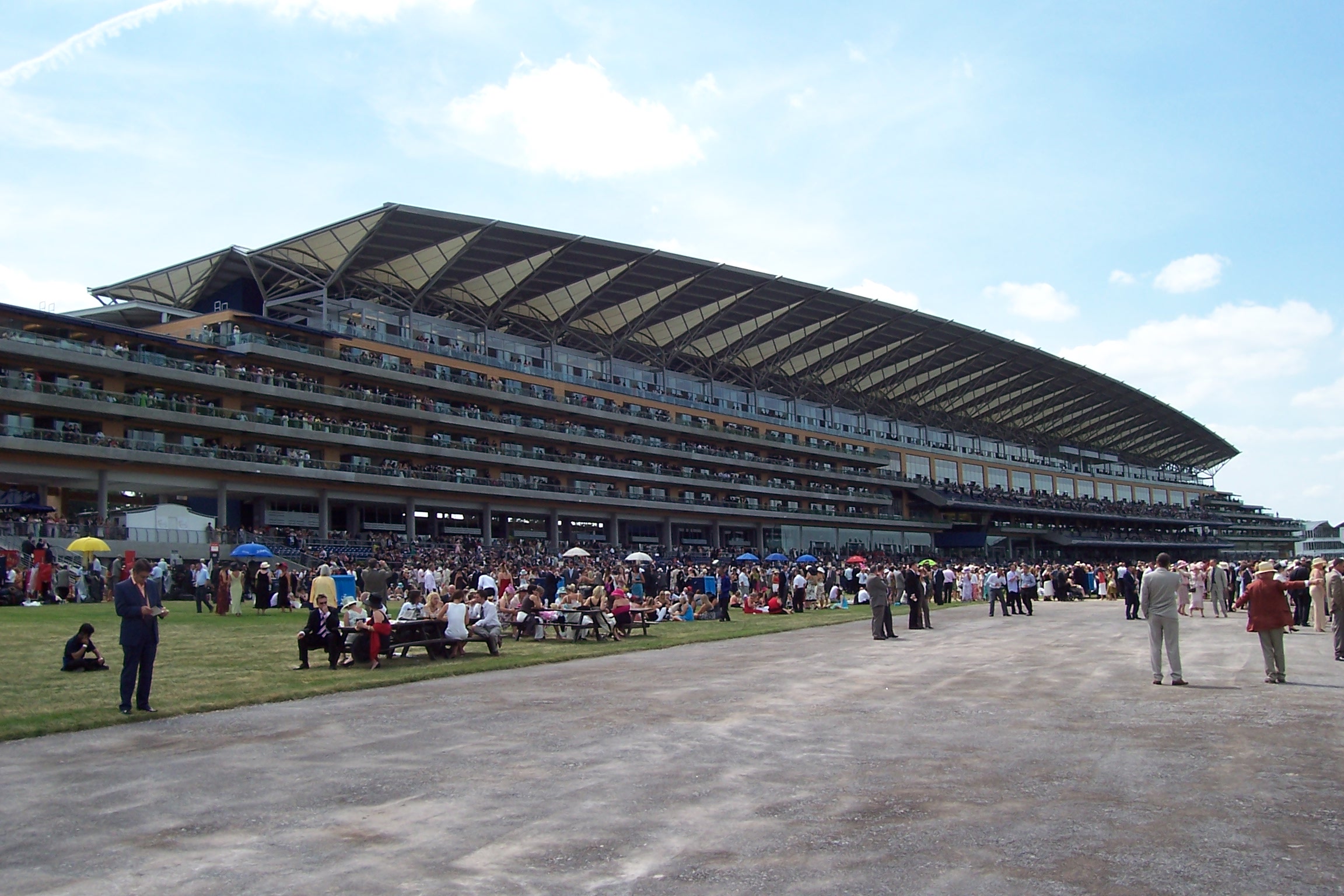

Royal Ascot: Expert Tips, Analysis and Guide
Royal Ascot is one of the season’s premier racing weeks, combining high-class sport with rich history and strong betting markets. This guide expands on our selections and helps readers interpret form, odds and responsible betting choices for the big day.
How to read our Royal Ascot selections and odds
Our selections list the race, the suggested horse and the odds as they stood when compiled; these indicate perceived value rather than certainty and should be considered alongside form and race conditions. Use bookmaker comparisons to check up-to-date prices, but remember odds move and past performance does not guarantee outcomes.
Labels such as NAP, HB and E/W denote editorial shorthand for our strongest tip, a highlighted bet and each-way recommendations respectively, and they reflect editorial opinion rather than financial advice. You must be 18+ to bet and always treat wagering as entertainment rather than a way to make money.
Why Whistlejacket looks like a strong Norfolk Stakes pick
Whistlejacket’s recent decisive win and close relation to previous Ascot winners gives a clear formline to support favouritism in the Norfolk Stakes; his pace and finishing margin suggest he handles the track’s tempo. The switch to good-to-firm should suit a speedy juvenile, but watch trap draw and race splits on the day for confirmation.
When assessing two-year-olds, focus on race pattern, sectional times and how they coped with field size and ground; a short, impressive victory is often more persuasive than a narrow score against soft opposition. Compare current odds across bookmakers to identify any standout value before placing a stake.
How to interpret two-year-old form at Royal Ascot meetings
Two-year-old races at Ascot often expose raw talent and potential more than established class, so consider breeding, trainer strike-rate at two and how horses handled pace. Full-sibling success is a positive indicator but should be weighed alongside the individual’s race performance and adaptability to Ascot’s undulations.
Look for horses that have shown early speed and the ability to travel through a field under pressure, as Ascot’s sharp turns and fast early fractions can expose inexperience. Always avoid viewing short-priced juveniles as certainties and include sensible stakes limits in your approach.
Assessing Coltrane and the competitive Gold Cup renewal
The Gold Cup often mixes staying form with proven Ascot performers, and Coltrane’s Ascot record and Lonsdale Cup form make him an attractive place contender despite stiff competition. Monitor late declarations and any confirmed rain, which could alter how the race plays out and change relative chances among the stayers.
When a race looks especially open, consider small each-way stakes or alternative markets such as forecasts if your bookmaker offers competitive terms, but avoid increasing stakes to chase perceived compensations. Responsible bankroll control remains essential when markets become crowded and odds fluctuate.
King George V Stakes: form, stamina and each-way options
The King George V Stakes demands a blend of stamina and juvenile progression, with horses stepping up in trip often improving markedly from earlier mile form. Poniros’ breeding and recent results suggest he can handle the trip, while Fouroneohfever and City Burglar offer credible each-way prospects at bigger prices.
Assess how trainers have prepared runners for the extra distance and whether jockey bookings indicate confidence in staying ability, as this can influence finishing positions more than nominal odds. When backing each-way, confirm the number of places paid and terms offered by different bookmakers.
Ribblesdale, Britannia and Buckingham Palace race considerations
Mid-card races at Ascot provide opportunities for form shoppers; the Ribblesdale suits improving fillies while the Britannia and Buckingham Palace can reward well-placed handicappers and sprinters stepping up. Diamond Rain and Volterra are highlighted in our selections but remain part of a wider competitive picture where draw and tactical speed matter.
For handicaps, pay close attention to recent rating changes, weight adjustments and whether a horse is stepping up or down in class, as these factors often explain market shifts. Always avoid viewing selections as certain and keep stakes proportionate to confidence and bankroll.
Hampton Court and late day handicaps: pace and draw analysis
Hampton Court’s mile-and-a-quarter trip and the late handicaps test both tactical speed and staying power, so pace projections and draw bias should inform any betting choice. King’s Gambit and similar contenders benefit from being positioned prominently, but those who can close strongly also have a role if the early fractions are swift.
Use jockey patterns and trainer notes to judge whether a horse is likely to lead or sit off the pace, as Ascot’s configuration can favour different racing styles depending on field size and ground. Keep selections modest if conditions introduce additional uncertainty.
How to build a sensible betting plan for big race days
Before you place any bet, set a clear budget for the day, decide on unit stakes and avoid increasing those units to chase losses or excitement. Prioritise a small number of bets where you have a clear edge, rather than over-betting across multiple races with limited informational advantage.
Consider splitting stakes across markets such as win and each-way if that suits your view of probable outcomes, and log your bets to review performance after the meeting. Remember that betting should remain a recreational activity for those aged 18 and over.
Using market moves and bookie prices to spot value
Market movement can indicate confidence or insider activity, but it is not infallible; always compare prices across reputable bookmakers and note if exchanges diverge significantly from fixed-odds markets. Sharp price drift often signals changing expectations, whereas late shortening can confirm support that merits closer inspection.
Value is relative and depends on your assessed probability versus the offered odds, so keep a clear view of why you believe a price represents value before committing funds. Never interpret short-priced support as a guarantee, and avoid staking beyond your predetermined limits.
Betting markets explained: win, each-way and exchanges
Win bets are straightforward, while each-way bets split your stake between win and place, offering a safety net when place terms are generous; exchanges allow you to back or lay and sometimes provide different angles on a selection. Check place terms carefully and ensure your calculations factor in commission on exchange winnings.
Understanding different markets helps match your betting style to the correct product, whether you seek higher potential returns or a degree of protection via each-way wagering. Be 18+ to use these markets and favour licensed operators when comparing options.
Reading the going at Ascot and effects on likely runners
Ascot’s going can swing from good-to-firm to softer conditions if rain arrives, and that influences which horses are favoured; pedigree and past performance on similar surfaces are key indicators. Some horses improve markedly on softer ground while others are exposed when viscosity increases, so always check the going before final bets.
If a selection has only won on soft or heavy going, reassess its prospects on drier ground, and conversely, a strong record on firm surfaces can be decisive if the forecast stays dry. Maintain conservative stakes when conditions deviate from those in which your selection performed best.
Bankroll management and practical responsible betting advice
Decide on a fixed betting budget for the meeting and stick to it, avoid increasing stakes to chase losses, and never wager money earmarked for essential living costs. Use self-exclusion tools or deposit limits offered by operators if you ever feel your gambling is becoming a problem.
Set realistic expectations and view each bet as entertainment; there are no guaranteed wins and even the most informed selections will lose at times. Seek help from UK support services if gambling stops being enjoyable, and ensure all activity is by those aged 18 and over.
How to use bookmaker comparison tools responsibly and safely
Bookmaker comparison tools help identify the best available odds and terms for free bets and promotions, but use them as an informational aid rather than an incentive to bet more frequently. Compare free bet expiry, wagering requirements and any restrictions relevant to horse racing markets before signing up.
You can explore current bookmaker offers through our comparison tools if you choose to bet responsibly, and always prefer operators licensed in Great Britain. Remember that affiliate links may appear and are shown for convenience rather than as betting pressure.
We hope this expanded guide complements the selections above and helps you interpret the form and markets for Royal Ascot with a measured, informed approach. If you bet, do so only if you are 18 or over and treat wagering as entertainment, never a way to solve financial issues.
Can I rely on these tips to place bets at Ascot today?
Our tips are informed editorial opinions intended to guide research, not guarantees, and any betting decisions should be made by readers aged 18+ after checking current form and odds. Always stake within a pre-set budget and never treat tips as financial advice.
How should I interpret odds and place terms for each-way bets?
Odds represent the bookmaker’s implied probability and each-way terms determine how many places pay; confirm the place terms and calculate returns accordingly before placing an each-way wager. Shop around for the best place terms and avoid increasing stakes simply because a price looks attractive.
What should I do if the going changes before the race?
If the going changes, reassess selections based on their form on similar surfaces and consider reducing stake sizes if the new conditions reduce your confidence. Check final declarations and any rider or trainer comments for late indicators of suitability.
Are bookie promos and free bets suitable for these selections?
Promotions can add value but come with T&Cs and wagering requirements, so only use them if they suit your betting plan and you are 18+. Read the small print and compare offers via trusted comparison tools rather than letting promotions drive your activity.
How much of my bankroll should I stake on each selection?
Stake size should reflect your bankroll, risk tolerance and confidence in the selection; many experienced bettors use fixed-unit staking or a small percentage of the bankroll per bet. Avoid chasing losses and never stake money required for essential expenses.
Where can I find further guidance if I’m concerned about my gambling?
If gambling is causing you distress or you feel unable to control your betting, contact UK support services such as GamCare or use operator self-help tools immediately; professional help is available and confidential. All users must be 18+ to access licensed betting services.