
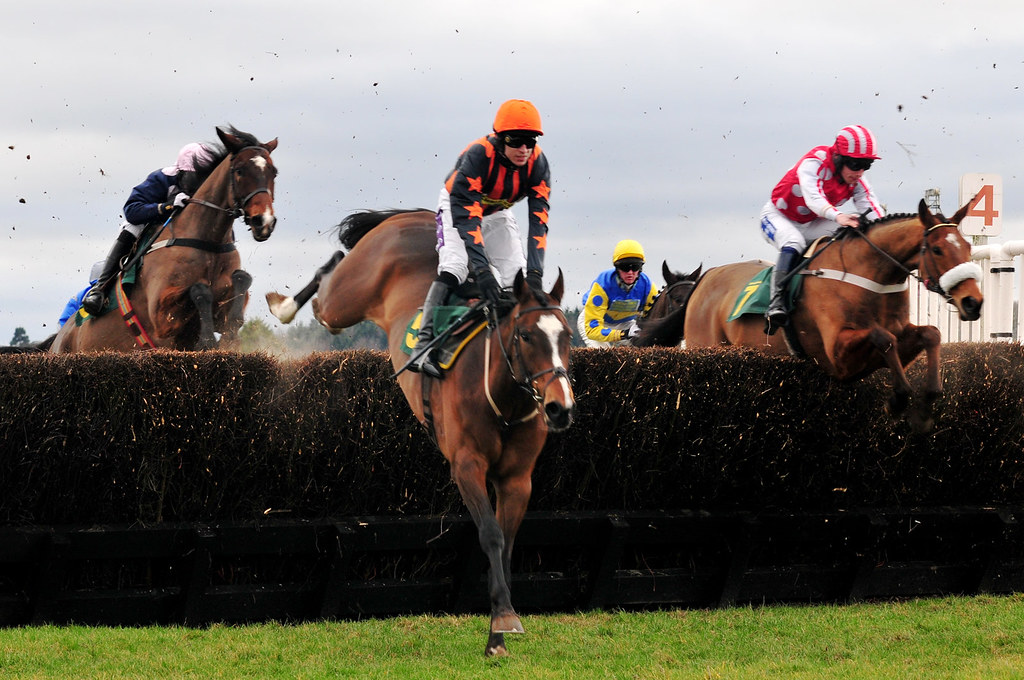

Punchestown Festival 2025 Day 1 Tips and Preview
This expansion provides a race-by-race primer, deeper form context and practical staking notes to complement the existing Day 1 tips above.
Content is written for readers aged 18+ and encourages responsible gambling; betting should be fun and affordable, not a way to solve financial problems.
How the key contenders shape up for each Punchestown race
Below I break down the major angles for the races referenced in the original tips and offer extra context on each selection and rival.
These observations focus on form lines, ground, trip and connections to better inform a measured betting approach rather than promising outcomes.
Assessing Londonofficecallin’s form and suitability
Londonofficecallin showed a clear level of improvement when winning the Albert Bartlett qualifier, which is a useful starting point in a large handicap-final field.
His Flat pedigree suggests speed and adaptability on quicker ground, and a light season can mean freshness against rivals who have been campaigned harder.
Form lines, recent runs and course suitability explained
Reviewing the July to January progression highlights that the step from maiden/novice hurdles to a competitive graded handicap is significant but manageable for a horse with latent pace.
Punchestown’s undulations and tighter turns can favour a horse with a good cruising speed and a jockey who times a move well, so race position is key.
Betting markets, prices and how to approach each-way
In big handicaps with six places available, implied probability shifts quickly; a 9/1 general that has strong form into the race can represent value for small each-way stakes.
Stick to pre-defined stakes and avoid increasing exposure after short-priced moves; the market will often overreact to late money.
Why Brentford Hope remains a strong each-way option
Brentford Hope’s seasonal cast against top-class types such as Constitution Hill and Rubaud adds substance to his rating, and a fall back to a mark of 140 looks workable.
The absence of a clear Daddy Long Legs clone in this year’s lineup reduces the chance of being outclassed by an older, improving rival on the same day.
What punters should watch during race day at Punchestown
Observe ground reports early and track the Sheffield-type market movements; Irish racecourses can change quickly with showers and drying periods affecting softer ground horses.
Also note where the principals are drawn and which riders have tactical options to place horses prominently versus those who prefer to settle.
Lecky Watson: Cheltenham form and Punchestown claims
Lecky Watson’s Brown Advisory success confirms his class and staying profile, and his three-from-three chasing record suggests he handles the transition to bigger targets well.
Versatility in ground and a light campaign through the season make him a logical win selection where stamina is tested at the business end.
Sticking to stake plans and responsible betting reminders
Decide stakes before the race and use small, consistent bets for festival days, especially in high-profile handicaps and Grade 1 contests where outcomes are uncertain.
Only bet with money you can afford to lose; set limits, take breaks, and use bookmaker tools to manage exposure where available.
Jockey bookings, trainer angles and race tactics to note
Rider choices can reveal confidence levels from yards; when a stable elects to place the more promising jockey on one runner it often reflects the plan for that horse on the day.
Keep an eye on trainers who target Punchestown with specific entries; time-served trainers will often have a tactical brief tailored to the course.
Early-season targets and how trainers map campaigns
Some horses are primed for festival targets only, saved from busy campaigns to peak for a specific two-mile or three-mile test at Punchestown.
Others are exposed by regular runs; consider which horses have had progressive runs versus those coming here off a peak at Cheltenham or earlier festivals.
Additional race-by-race planning for Day 1 punters
Beyond the three selections in the original tips, map out secondary betting options and potential each-way berths by screening the form for recent topline efforts and course winners.
Look for horses that may have been unlucky in their last run or those stepping up in trip where stamina looks to be the key variable.
How to assess recent form versus class drops and rises
Class-dropping horses can be tempting, but consider whether the drop masks a long-term decline or is a genuine chance to reset a campaign.
Conversely, a short-term class rise after a big win should be judged on whether the horse accelerated cleanly or benefited from a weak field.
Practical festival-day tips for managing bets and watching price moves
Festival days generate a lot of late market movement; balance chasing a price with sticking to a pre-defined staking plan and leaving some bets uncommitted if odds shorten unjustifiably.
Use multiple bookmakers where possible to secure the best price and take advantage of non-pressurised comparison rather than impulsive choices.
You can explore current bookmaker offers and compare odds through our bookmaker comparison tools with a responsible mindset.
Putting the tips into action: stakes, alternatives and contingency planning
Define unit sizes and treat each selection as part of a portfolio for the festival, diversifying between win-only and each-way plays to spread risk.
Have contingency alternatives ready for late withdrawals or changed ground, and identify two backup selections per race to switch to quickly.
Managing small-bankroll festival strategies effectively
For smaller bankrolls, favour smaller each-way stakes across a few races rather than large single bets; this approach preserves capital and retains excitement across the card.
Keep records of stakes and returns to refine strategy over the festival and to identify which race types or trainers you read well.
Understanding when to back favourites and when to take chances
Favourites can represent good value when form and conditions align, but long-priced each-way chances can pay when a race sets up for a closer or if the favourite has questions to answer.
Assess tempo and likely pace scenarios before committing to a price; a slow-run race often favours late-closing types while a strong early gallop benefits prominent runners.
Festival etiquette and practicalities for those attending Punchestown
Plan arrival times, bet responsibly, and familiarise yourself with course facilities and official ground reports before placing larger wagers.
Remember to respect age restrictions: anyone betting must be 18 or over, and avoid gifting accounts or encouraging underage attendance at the course.
Final notes on research, sources and keeping a clear head
Good race analysis combines form study, course knowledge and an awareness of trainer patterns; maintain a checklist of the most important items to speed up decisions on busy festival days.
Most importantly, gambling should remain entertainment: set loss limits, take regular breaks and seek help if betting stops being enjoyable or becomes problematic.
You can explore current bookmaker offers through our comparison tools if you choose to bet responsibly: https://bestofbets.com/free-bets.
For players interested in casino bonuses the site also lists current offers and terms at https://bestofbets.com/casino-bonus.
Frequently asked questions about Punchestown Festival Day 1 betting
Is Punchestown Festival suitable for new punters to attend?
Punchestown is accessible for newcomers but it helps to arrive early, read the racecard and set strict betting limits before you start. Remember that betting is for those aged 18 and over and should be done responsibly.
How should I size each-way stakes for big handicap finals?
Stick to a consistent unit plan and only increase stakes if the price represents clear value to you; evens-to-low prices on fancied horses rarely justify large stakes. Always gamble within your means and avoid chasing losses.
Do festival form lines from Cheltenham carry over to Punchestown?
Cheltenham form often translates, but course characteristics and ground can differ significantly; evaluate each horse’s adaptability and recovery from their last run. Betting decisions should never assume guaranteed results.
What is the best way to use bookmaker offers at a festival?
Compare offers and read terms carefully, using offers to secure value where appropriate rather than as a reason to increase stakes. Offers are subject to terms and are intended for responsible customers aged 18+.
How influential are jockey bookings at Punchestown?
Jockey selections can indicate stable preference and tactic, but they are only one factor among form, ground and draw. Consider the full context before placing a bet and don’t rely solely on booking as a certainty.
Should I favour horses that ran in earlier qualifiers for Punchestown finals?
Qualifiers can be useful guides because they demonstrate aptitude for the course and conditions, but the depth of the final can be different; weigh the strength of the qualifier field rather than assuming transfer of form is automatic. Always bet responsibly and within age limits.
Where can I find safe gambling support if I need it?
If gambling becomes a concern, use self-exclusion tools provided by bookmakers or contact UK support agencies for advice. Help is available and betting should always be 18+ and carried out responsibly.