

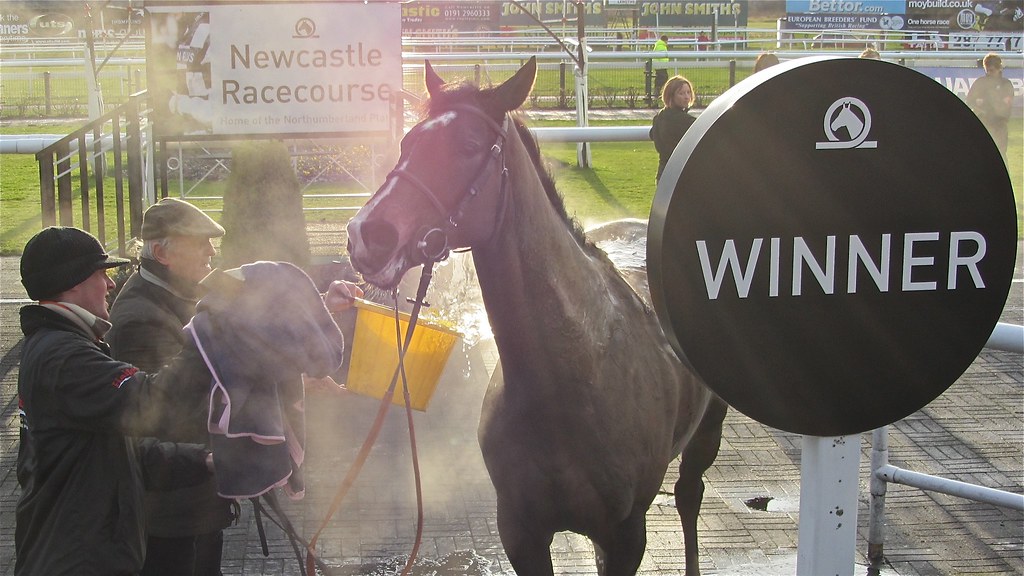

BestOfBets Royal Ascot Review and Newcastle Tips
Royal Ascot provided a strong showcase for flat racing and the social side of the sport, and this page builds on our original race previews and selections by adding tactical context for the Northumberland Plate meeting at Newcastle. Please note: content is for readers aged 18+ and promotes responsible gambling; betting should never be seen as a way to make money or solve financial problems.
How to read form and choose value in sprints
When assessing sprint races like the Chipchase Stakes, focus on recent pattern race form, distance adaptability and proof of speed on similar surfaces rather than headline prices alone. A horse with progressive Group form and two runs this season often offers a clearer value proposition than one returning from a long layoff without recent proof.
Look for corroborating form lines — horses repeatedly finishing close to Group performers are more reliable indicators than a single impressive win, and market strength often reflects informed trader activity from connections and professional punters. You can explore current bookmaker offers through our comparison tools if you choose to bet responsibly.
Why Spycatcher appeals for the Chipchase Stakes
Spycatcher’s recent pattern wins and strong showings against Group 1 opposition suggest he handles top-level pace and the 6f trip, while his recent racecourse activity reduces the risk of a fitness-related wobble. His previous near-miss in this race combined with solid seasonal preparation helps explain why he represents value against a well-backed rival returning from a long break.
In markets, a horse with an active season and recent Group placings will often sustain more support from informed layers than one starting off a 250-day absence, and that market profile can be a decisive factor in judging value. Check ante-post and morning market moves for clues that bookmakers are reacting to stable news or jockey bookings.
Assessing recent form and seasonal targets
Evaluate whether a horse’s season-to-date runs look like purposeful preparation for the target race or isolated efforts with little follow-up impact. Patterns such as a step up to pattern company followed by a short break often indicate a clear early-season plan and increase confidence in race fitness.
Teej A profile and what her form suggests
Teej A’s juvenile form shows both speed and composure, with credible wins against high-quality two-year-olds indicating she handles competitive fields and different racecourses. The consistent manner of victory and ridden restraint at key points highlights an attitude that trainers and jockeys can rely on when stepping up in class.
With expensive purchases like Tales Of The Heart and Arabian Dusk in the line-up, Teej A’s advantage is proven race continuity and a demonstrated turn of foot, which often outweighs nominal price distinctions when assessing each-way prospects. For punters, comparing sectional times and situational riding style between the fillies can reveal which one is likely to enjoy the run of the race.
How to interpret break and fitness clues
A recent run that shows a decent finishing effort is generally a stronger indicator of readiness than short, sharp trials where fitness is unproven, especially for fillies stepping up in grade. Trainers’ quotes, stable patterns and jockey bookings around two or three days before a race can corroborate whether a horse is at peak condition.
Lumiere Rock: stamina, ground and Curragh hopes
Lumiere Rock brings a mixture of stamina and class suited to the Curragh’s 10-furlong test, with a useful recent European campaign and a solid run over the distance in pattern company. Her form against horses that have gone on to win or place in Group 1 company gives confidence she can handle the race tempo and profile.
When a runner has placed competently in the Prix de l’Opera and produced a career-best at the Breeders’ Cup, the primary questions become ground preference and recovery between runs — both of which look favourable here with good going forecasted. Always check the going in race-day conditions and whether the filly has a preference for firmer or cut ground when sizing up her chances.
Practical staking and market checks before bet
Decide a staking plan before you place a wager: back only a fraction of your intended unit stake if the market price drifts beyond your pre-defined value threshold. Shopping for the best odds across multiple bookmakers remains a simple, responsible way to protect value without increasing exposure.
Raadobarg value angle in the Newcastle handicap
Raadobarg’s consistent pattern placings and performances at Listed/Group 3 level last season mark him out as a horse capable of outrunning his mark when conditions fall right, particularly if the race reveals more tactical pace than stamina-testing fractions. Stepping back to seven furlongs could suit his turn of foot if the pace collapses entering the closing stages.
Handicaps often hinge on subtle form lines — repeated close finishes to high-class types give confidence that a drop in grade or a return to a more natural trip will yield improvement. Look closely at course and distance history as well as the influence of the draw on Newcastle’s straight mile and seven-furlong course.
How track and ground affect today’s betting choices
Course configuration and recent rain can transform how a race unfolds, turning a tactical sprint into a stamina test or vice versa; choosing horses with proven form on comparable surfaces reduces uncertainty. Horses with prior wins or strong placings on the all-weather or good ground at the same course have a measurable edge in modelling probable outcomes.
Monitor late going reports and ante-post exchanges for sudden shifts that reflect sustained rain or a drying surface, and be prepared to alter stakes or scratch selections as new information arrives. Responsible bettors maintain flexibility rather than forcing bets when conditions change materially from the time form was assessed.
How to interpret going reports and forecast shifts
Going descriptions like “good to firm” versus “good” can materially affect likely winners, so compare each horse’s best performances with the current going to avoid over-weighting recent but contextually different form. Weather forecasts over the 24 hours before the meeting are particularly relevant for turf races and should influence late market checks.
Staking strategies for patterns and handicaps today
Use a flat staking strategy for pattern races where form is clearer, and consider graded stakes sizing for handicaps where variance is higher and results more random. Avoid escalating stakes after a loss and set weekly or monthly limits to keep betting within an affordable leisure budget.
When multiple bets are considered, prioritise each wager by expected value rather than chasing a target return on a single race; diversified small stakes across several well-researched picks reduces the emotional pressure of single-event outcomes. Responsible bankroll management is central to long-term enjoyment of racing as a form of entertainment.
When to consider each-way versus win-only stakes
Each-way terms become attractive when a horse is priced wider than its fair chance and extra-place offers increase the distribution of returns, while win-only bets suit short-priced, clearly superior types where place insurance is unnecessary. Match the bet type to the market depth and your confidence level rather than habit.
Using bookmaker markets and shopping for the best price
Price shopping across licensed UK bookmakers matters because even small decimal differences compound over multiple bets, and readily available comparison tools make this simple to do before placing a stake. Pay attention to the early market for insider-driven shifts and to late exchanges for near-final sentiment from professional backers.
When using free-bet offers, read the terms carefully to understand stake-return rules and expiry windows, and treat them as opportunities to try value ideas without inflating your own financial exposure. You can explore current bookmaker offers through our comparison tools if you choose to bet responsibly.
In-running considerations and jockey-trainer match-ups
In-running markets can highlight horses that travel well early or possess tactical versatility, and some runners improve markedly when ridden to settle before striking late. Jockey bookings matter: a jockey with a longstanding partnership with a trainer and known course success can influence a horse’s chance considerably in tight finishes.
Track the in-play tempo and be ready to cash out or hedge when the race unfolds contrary to expectations, but avoid over-trading if the original value proposition still stands. In-running should be used to refine decisions rather than radically change discipline-based staking strategies.
Safe gambling reminders and 18+ responsible practice
Betting must always be for entertainment by people aged 18 or over; if you suspect that your betting is becoming a problem, seek help from recognised UK support services and use bookmaker tools such as deposit limits and self-exclusion. Never treat betting as a means to resolve debts or financial shortfalls, and avoid chasing losses with larger stakes.
Our editorial content aims to inform and comment on racing and football events, not to promote excessive gambling, and readers are encouraged to use our bookmaker comparison tools to make informed, responsible choices. If you choose to bet, do so within limits you can afford and set pre-defined loss thresholds to protect yourself.
You can explore our curated list of current free-bet offers and bookmaker comparisons at https://bestofbets.com/free-bets for updated sign-up incentives and terms. For those interested in casino bonuses, our affiliated casino offers and bonus comparisons are available at https://bestofbets.com/casino-bonus.
What should I consider with horses returning from breaks?
Look for evidence of a targeted reappearance such as recent breeze-up footage, stable reports or a jockey booking that suggests fitness; horses returning from long breaks can be overpriced if they have had a purpose-built preparation. Always balance the risk of absence against the quality of their previous form.
How do I use recent Group form to identify value bets?
Compare horses’ finishing positions against common rivals and note those who have consistently beaten or run close to future Group winners; repetition against top-class opponents is a strong signal. Value often emerges when a horse with genuine Group form competes in a lower-rated event or when others in the race are unproven at that level.
Are extra-place each-way terms important at bigger odds?
Extra-place terms materially improve expected returns on longer-priced selections by increasing the chance of a paying place, and are particularly useful when a horse fits the profile of a strong place contender. Always check the bookmaker’s specific place terms before committing funds.
How should I size stakes for punting on pattern races?
Stake sizing should reflect the confidence in the selection, with smaller, measured stakes recommended for long-term sustainability, and a flat unit approach practical for most punters. Avoid staking a disproportionate share of your bankroll on any single race.
What market moves suggest genuine improvement or decline?
Steady, early support in the betting market from openers through to race day often indicates public and professional confidence, while late sharp moves can reflect inside information or last-minute declarations. Conversely, unexplained drift with no change in conditions can indicate negative stable news.
How can I bet responsibly and stay within limits?
Set deposit and loss limits with bookmakers, use staking plans, and treat betting as entertainment rather than income; take breaks when emotions run high and seek support if betting patterns change. Services such as GamCare and BeGambleAware provide confidential UK-based help and guidance.