

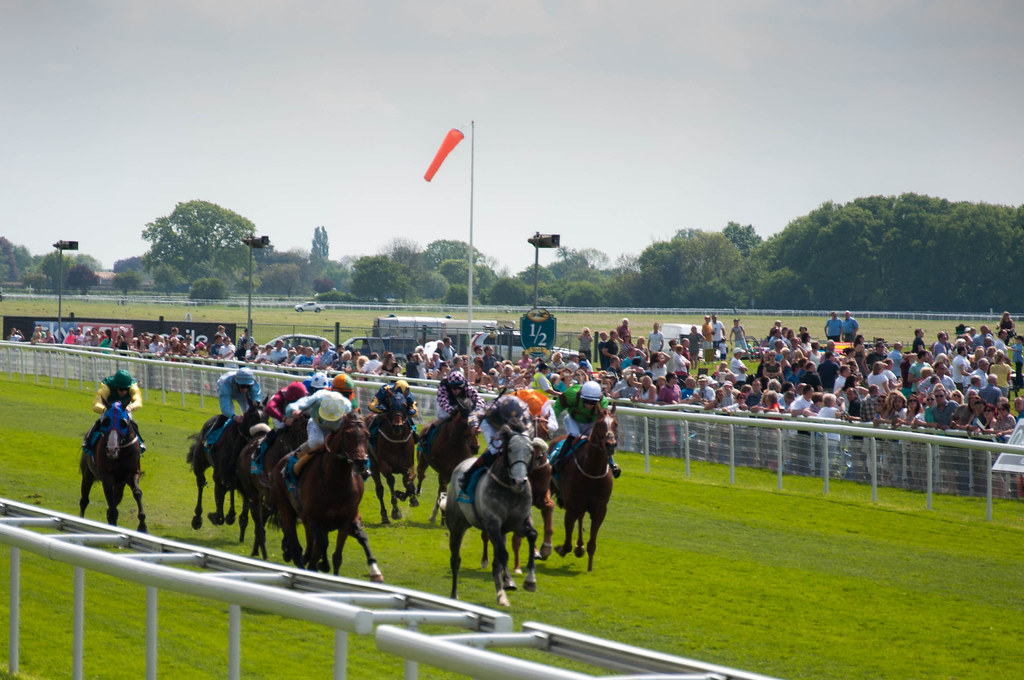

Kempton and Chelmsford Racing Tips and Analysis
In-depth Form Study and Betting Considerations
This expanded analysis complements the selections already detailed above by examining form, marks and market context for the Kempton and Chelmsford cards. The aim is to help readers make better-informed decisions while stressing responsible play and the 18+ age requirement.
How Choisya’s recent form stacks up at Kempton
Choisya arrives with a profile that mixes quirks and genuine ability, and the weight concessions she receives to many rivals make her an intriguing Listed contender over the distance. The key piece of form to note is her course-and-distance success on latest start, which suggests she handles the track and can exploit a favourable weight scenario if she returns in similar order.
Interpreting the weights and margins in form lines
When comparing past results, focus on the pounds carried and the margins between horses as these often translate into expected differences on the day, particularly in fillies’ events where allowances matter. Use weight adjustments and subsequent form of opponents to assess whether the official mark understates a horse’s current ability.
Why Spirit Mixer could be a value each‑way option
Spirit Mixer’s historical ratings show he has run to a higher level than his current mark, and his two-mile form underlines that stamina is not an issue at Kempton. A gelding returning after a break can be vulnerable or improved, so the presence of a strong jockey booking like Oisin Murphy offers a useful guiding signal about connections’ confidence.
How trainer and jockey trends influence selections
Recent stable strike-rates and a jockey’s willingness to ride a horse are meaningful data points that can tip a marginal call in your favour, and they should be viewed alongside raw form. Look for trainers operating at a higher-than-average strike-rate, or jockeys with strong course records, to increase the probability of a successful selection without viewing it as a certainty.
Capulet’s profile and why he heads to Chelmsford
Capulet sets the standard on form having run well in Group 2 company, and the step back into a conditions stakes over a mile looks like a pragmatic move to secure black type. The horse’s juvenile pattern shows both speed and the potential to improve with time, so he can be expected to run well if fully tuned up for this contest.
How to read the market and spot early moves
An early drift or shortening in the market can indicate confidence from connections or changing rain/ground assessments, and it’s useful to monitor moves from a range of bookmakers to spot value. Smaller layers moving odds significantly should prompt re-evaluation of your stance, but avoid over-reacting to short-term noise.
Desert Cop’s handicap mark and summer form outlook
Desert Cop has slipped in the handicap to a level that looks exploitable based on his three-year-old peak, and the switch to a lower class provides a clear chance to regain confidence. The stable is in reasonable form, and the mare-line and pedigree suggest a potent blend of speed that can be used to target sprints and sharp five- and six-furlong trips.
Staking plans, odds comparison and bookmaker choice
Decide a staking plan before the race and stick to it; flat stakes for confident picks and smaller each-way units for longer-priced chances keeps bankrolls steady. Compare prices across reputable bookmakers to ensure you back at a competitive price and be mindful of terms and eligibility for any promotional offers.
Race-by-race tactical notes and likely scenarios
For each race, identify pace maps, likely front‑runners and potential closers to establish whether a horse will be suited by the expected tempo; for example, a strong early pace will favour hold‑up horses who can finish. Consider ground, draw biases and whether a horse typically races prominently or from off the pace when anticipating how the race will unfold.
How to approach market volatility and late information
Market volatility can stem from late team comments, jockey declarations or light rain affecting going descriptions; always re-check market prices shortly before the off for any decisive moves. If significant information appears, adjust stakes conservatively rather than chasing lost value, and ensure your decisions remain aligned with your pre-defined staking rules.
Practical checks to perform before placing a bet
Confirm the official going, the declared rider, barrier draw (where relevant) and any non-trainers’ notations such as gear changes or wind‑opener reports that might affect performance. Use trusted sources for real‑time updates and cross-check odds so you understand the bookie’s view before committing funds.
Bankroll management and avoiding emotional betting mistakes
Strict bankroll management is central to sustainable betting; allocate a clear monthly or event budget and size stakes as a consistent percentage of that bank. Avoid increasing stakes to chase losses or to recoup previous deficits, and pause bets if you feel emotion influencing decisions.
Using form lines and subsequent performance to refine judgments
When assessing form, study how horses performed after facing the same opponents to learn whether a line has worked out positively or negatively; this helps calibrate current ratings and market expectations. Horses that have subsequently improved markedly suggest an underestimated run, while those who regress can caution against overstatement of certain form lines.
How weather and going will affect these specific races
Kempton’s all‑weather surface responds differently to rain compared with turf at Chelmsford, and a change of going may favour different runners than printed form suggests. Review each horse’s record on varying ground and avoid assuming that a single run on one surface guarantees similar performance on another.
Comparing bookie offers responsibly and where to look
When evaluating bookmaker promotions, read the full terms and conditions to ensure any free bet or enhanced price is applicable to your market and that wagering requirements are clear. You can explore current bookmaker offers through our comparison tools if you choose to bet responsibly and you meet the 18+ age requirement.
Responsible gambling reminder and age restriction
Gambling is for people aged 18 and over only and should be treated as a form of entertainment rather than a way to make money or solve financial problems. If you feel betting is becoming a problem, seek help through UK support services and consider setting deposit, loss and time limits with bookmakers.
Summary and practical final notes for the weekend cards
This expanded commentary is designed to supplement the selections listed earlier by providing context on form, market behaviour and sensible staking. Use the insights to frame your own view rather than as a substitute for personal judgement, and always prioritise safety and responsible play.
You can explore current bookmaker offers through our comparison tools if you choose to bet responsibly and are 18 or over: bestofbets free bets. For players interested in casino bonus offers, details of our affiliated partner promotions can be found here: bestofbets casino bonus.
Frequently asked questions about these race bets
How should I size stakes for these race selections?
Size stakes as a consistent percentage of a dedicated betting bank to limit risk and maintain discipline. Avoid increasing stakes after losses and consider smaller each‑way stakes for longer-priced runners.
What sources should I use to check late declarations?
Use official racecards, reputable racing media and the bookmakers’ own markets for late declarations and jockey changes. Cross‑checking two or three trusted sources helps verify critical last‑minute information.
Is it sensible to back both win and each‑way options together?
Backing win only suits short-priced favourites, while each‑way is a better tool for longer odds where place value exists. Choose the product that aligns with your risk appetite and the race shape rather than mixing both indiscriminately.
How important is trainer form when judging a selection?
Trainer form is a useful indicator of current stable health and likelihood of a positive performance, and improving stable strike‑rates can justify more confidence. However, combine trainer trends with horse form and market signals for a balanced view.
Can I rely on past group form for conditions stakes betting?
Past group form offers a reliable baseline for assessing quality, but horses can progress or regress, so adjust for time off, age and changes in trip or ground. Recent performances and official ratings should be weighted alongside historical class.
Where can I find help if gambling feels out of control?
If gambling is causing harm, contact UK support organisations such as GamCare or use the helplines offered by licensed bookmakers to self‑exclude or limit play. Always ensure you are 18 or over before betting and set clear, realistic limits.