

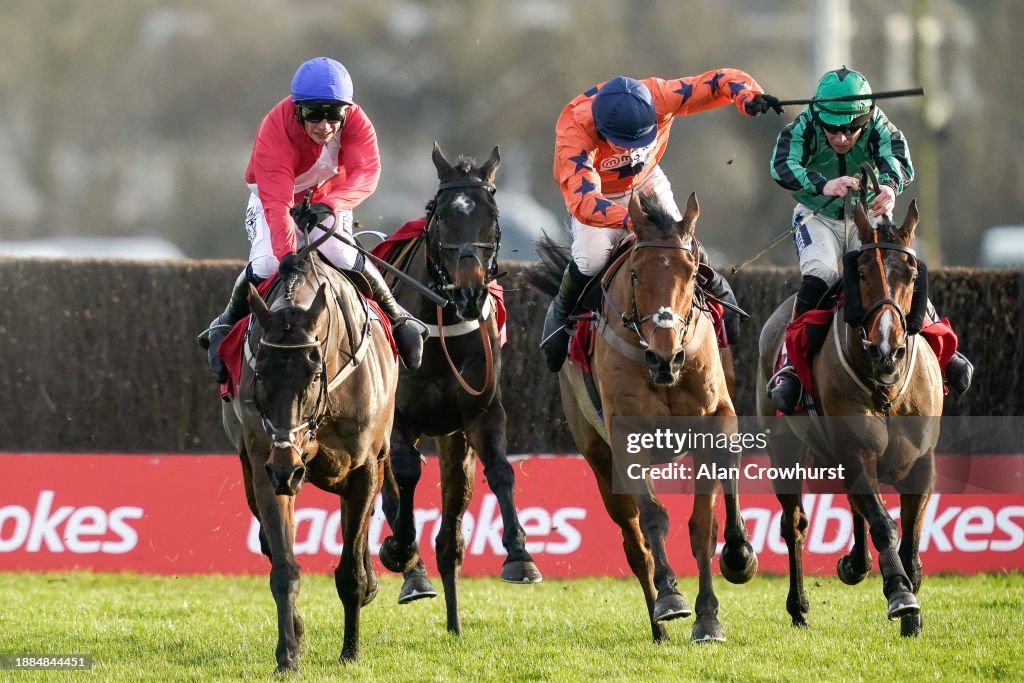

Hewick and Monbeg Genius were the headline names withdrawn on Tuesday for next month’s Randox Grand National.
In the first-round cut of runners to be scratched from April 13’s start list, 75 runners were trimmed to 58.
King George VI victor, Hewick, is once again withdrawn from a marquee contest this season.
However, the 9yo could switch focus to earlier on Grand National weekend.
Top weight
It’s now into a fourth month since Hewick’s last outing, his stunning Grade 1 win at Kempton over Christmas.
Withdrawn from Cheltenham Trials Day in January, the gelding was then taken out of this month’s Gold Cup proper.
An 18/1 shot for the National, JJ Hanlon made the difficult decision to withdraw the top weighted runner due to recent rain softening the ground.
From last to first! 🥇
Hewick comes from the gods to win a dramatic Ladbrokes King George VI Chase!#ITVRacing | @kemptonparkrace | @GavinSheehan92 | @jhanlonracing pic.twitter.com/uQvfakNh1C
— ITV Racing (@itvracing) December 26, 2023
However, Hewick’s hopes for Aintree remain, with Hanlon setting his sights on the Aintree Bowl, two days before the National.
A good mile-plus shorter in trip, if Hewick fares well he could then race back on home turf for the Punchestown Gold Cup to end the term.
His ultimate goal is still for a third crack at Gold Cup glory in 2025.
Monbeg drops out
Of the other names to drop out at this stage, Monbeg Genius has been scratched by Jonjo O’Neill.
Pulling up at the Cheltenham Festival in the Ultima, the 8yo will be denied his debut National bow.
And, it might be fair to say Aintree bigwigs will be quietly relieved, with owners Michelle Mone and Doug Barrowman at the centre of the PPE scandal.
Meanwhile, as Gordon Elliott looks to make National history, his total entries are now also reduced.
Trainer of two-time winning legend Tiger Roll, Elliott can become the first trainer to bag four winners.
However, Gevrey, Dunboyne and Diol Ker will not be in contention.
Longhouse Poet – sixth in 2022 and last year travelled well before falling late – is also withdrawn for Martin Brassil.
Asterion Forlonge, James Du Berlais, Threeunderthrufive and Letsbeclearaboutit will all also be absent.
April 8th cut
With just over a fortnight to go until the off, before the tape goes up next month, a further 24 names will be rubbed.
As safety regulations and horse welfare are tighter than ever, the vast majority of those will be cut on April 8.
There, the balloting of horses set to carry the same weight will be decided using their current handicap mark at the time of elimination.
Following the chaos of last year, organisers hope to avoid further protests.
As it stands, Corach Rambler remains antepost favourite, now 4/1 with BoyleSports for back-to-back National crowns.
The 2024 Randox Grand National takes place at Aintree Racecourse, Saturday 13 April at 16:00 BST.
Randox Grand National 2024: withdrawals and outlook
How recent withdrawals change the pre-race landscape
The withdrawal of Hewick and Monbeg Genius alters the field composition and forces a reappraisal of ante-post markets, trainer plans and race tactics heading into April. Bookmakers and punters will reassess weight spreads, stamina questions and likely race pace now that two headline names are confirmed absent.
Implications for the ante-post market and favourites
Removing Hewick and Monbeg Genius narrows the immediate options for backers and shortens the list of likely front runners, which may increase interest in proven stayers and previous Aintree performers. Markets react to headline withdrawals through price moves for those remaining, but punters should treat ante-post shifts as indicators rather than definitive value signals.
Trainer plans and likely alternative targets at Aintree
Connections of withdrawn horses often redirect to alternative targets such as the Aintree Bowl, Punchestown meetings or late-season Grade 1 contests depending on form and ground. Trainers balancing a horse’s long-term plan against immediate fitness will frequently prefer a safer route that preserves the horse for autumn targets rather than forcing a sub-optimal Grand National bid.
How balloting and handicaps decide final runners
Balloting on April 8 will reduce the field further, with horses carrying identical weights separated by their official handicap mark at that time, making late-season handicap management especially significant. Owners and trainers monitor handicap ratings closely because a small points change can determine entry or elimination when the field is finalised.
Welfare, safety procedures and Aintree’s precautions
Aintree continues to stress welfare and safety, with medical, ground and course inspections shaping which horses are allowed to run, and stricter pre-race checks than in past decades. With recent weather volatility, surface conditions and veterinary assessments are as influential as form in determining final declarations and runner suitability.
Form lines and past performance to monitor closely
Key form indicators include recent long-distance runs, recovery from falls and proven ability on soft ground, all of which will influence selection after withdrawals. Look for horses with consistent finishing efforts and experience at large fences, as those elements translate better to a Grand National test than isolated Grade 1 wins over shorter trips.
Dark horses and each-way prospects after withdrawals
When headline names withdraw, the value often shifts to lightly raced stayers and seasoned chasers who handle heavy ground, so scouting for such profiles can uncover each-way possibilities. Trainers who regularly prepare horses for handicap chases at Aintree should be prioritised in form lines as their yard patterns often reveal late improvers.
Guidance on betting responsibly and 18+ restrictions
Betting on horse racing is for adults only; participants must be 18+ and should gamble responsibly, never staking money they cannot afford to lose. If you choose to bet, use bookmaker comparison tools to find suitable offers and set limits on time and spend to protect your welfare.
How weather and ground reports shape race day tactics
Persistent rain or a drying spell in the week before the race will change which horses look most viable, with heavy ground favouring proven mudlarks and drying turf suiting bounce-back types. Jockeys and trainers will adjust tactics on the day, so staying current with official course reports and trainer comments close to the race is essential for informed choices.
Jockey bookings and their potential impact
High-profile jockey changes after withdrawals can elevate a horse’s chance in the market, particularly when a proven National pilot takes over from a less experienced partner. Assess jockey form in staying chases as much as trainer reputation, because racecraft over Aintree’s unique fences often makes a measurable difference.
Comparing trainer approaches to Grand National preparation
Some trainers target the National with a long-term campaign, aiming for a specific weight and fitness profile, while others take an opportunistic approach based on current form and handicap changes. Understanding an individual yard’s history at Aintree and their record with staying hurdlers and chasers helps evaluate whether a declared runner is truly aimed at winning or simply taking a late chance.
What balloting means for owners and syndicates
Balloting can be frustrating for owners and syndicates aiming to get a runner in the race, because official marks and entry timing determine survival rather than subjective preference. Syndicates should prepare contingency plans for alternative fixtures or next-season targets so horse welfare and long-term ambition remain the priority.
Practical tips for reading the market and finding value
Treat early ante-post prices as a guide to market sentiment rather than definitive predictions, and avoid over-committing to large stakes before final declarations and course inspections. Looking at horses who run on similar ground, have Aintree experience, and possess staying form can help identify realistic each-way options with better value.
Impact of notable trainers and owners on the race narrative
Entrants from leading National trainers always attract attention because past success demonstrates a proven preparation pathway, but each season brings new variables such as ground and weather that temper expectations. Media and ownership stories influence public opinion and betting volumes, so separate narrative-driven market moves from genuine form-driven value.
How to follow final declarations and late information
Official declarations and non-runners are published by Aintree and the BHA; follow these sources alongside reputable racing journalists for timely, accurate updates. Late information can affect starting prices and in-running tactics, so ensure any decisions made close to jump-time account for last-minute course news.
Preparing a sensible staking plan for the Grand National
Create a staking plan that reflects a realistic appraisal of the race’s high-variance nature, using small, defined stakes for ante-post bets and conservative money management on race day. Avoid staking increases based on emotion or pressure; set clear limits and consider spread-betting or lower-risk each-way strategies if you prefer reduced volatility.
How to use bookmaker comparisons and offers responsibly
Bookmaker comparison tools help identify the best starting price, non-runner no-bet terms and matched-bet eligibility, but always read terms and conditions before committing funds. You can explore current bookmaker offers through our comparison tools if you choose to bet responsibly and within your limits.
18+ only. If you feel gambling is causing harm, visit GamCare or contact your local support services for help.
For transparency, some links on this site are affiliate links that help support our editorial work without affecting our independent analysis.
Race reminder: The 2024 Randox Grand National runs at Aintree on Saturday 13 April at 16:00 BST; check official racecard updates on race day.
You can view our top bookmaker recommendations and current free bet offers at https://bestofbets.com/free-bets. For casino bonus offers from our affiliate partners, see https://bestofbets.com/casino-bonus.
What do the recent withdrawals mean for the race betting market?
Withdrawals reduce the headline options and can compress odds for remaining contenders while opening each-way possibilities elsewhere. Always reassess form lines and wait for final declarations before committing significant stakes.
How does the April 8 balloting process work?
Balloting eliminates horses to reach the permitted field size by using official handicap marks to separate those carrying equal weights. Trainers track these marks closely because small changes can affect entry status.
Can withdrawn horses still race elsewhere during Grand National weekend?
Yes; connections often switch to alternative races such as the Aintree Bowl or target Punchestown depending on fitness and ground. Decisions prioritise horse welfare and appropriate trip suitability.
How should I approach ante-post betting on the National?
Ante-post betting should be used sparingly and with an agreed staking plan, recognising the high variance and many non-runner scenarios. Consider smaller stakes and cover markets with multiple selections to reduce exposure.
Are there welfare checks that can prevent a horse from running?
Yes; pre-race veterinary inspections, course condition assessments and regulatory checks are all designed to protect horse welfare and can result in non-runners. Safety is paramount and may override connections’ wishes to run.
What should new bettors know about National betting risks?
New bettors should be 18+, set strict financial limits and avoid chasing losses, recognising the National is an unpredictable event with heavy favourites rarely assuring victory. Use bookmaker comparisons responsibly and seek help if gambling becomes a problem.
Do jockey bookings change a horse’s chance significantly?
Experienced National jockeys can improve a horse’s prospects through course knowledge and racecraft, though they do not guarantee success; evaluate jockey form alongside trainer and horse profile. Changes are one factor among many to consider before placing a bet.
Where can I find final racecard updates on the day?
Official Aintree publications, the British Horseracing Authority and reputable racing media provide final declarations and non-runner lists on race day. Check these sources close to jump-time to ensure the most accurate information before betting.
18+ only. Gamble responsibly — if you need support, visit GamCare.