

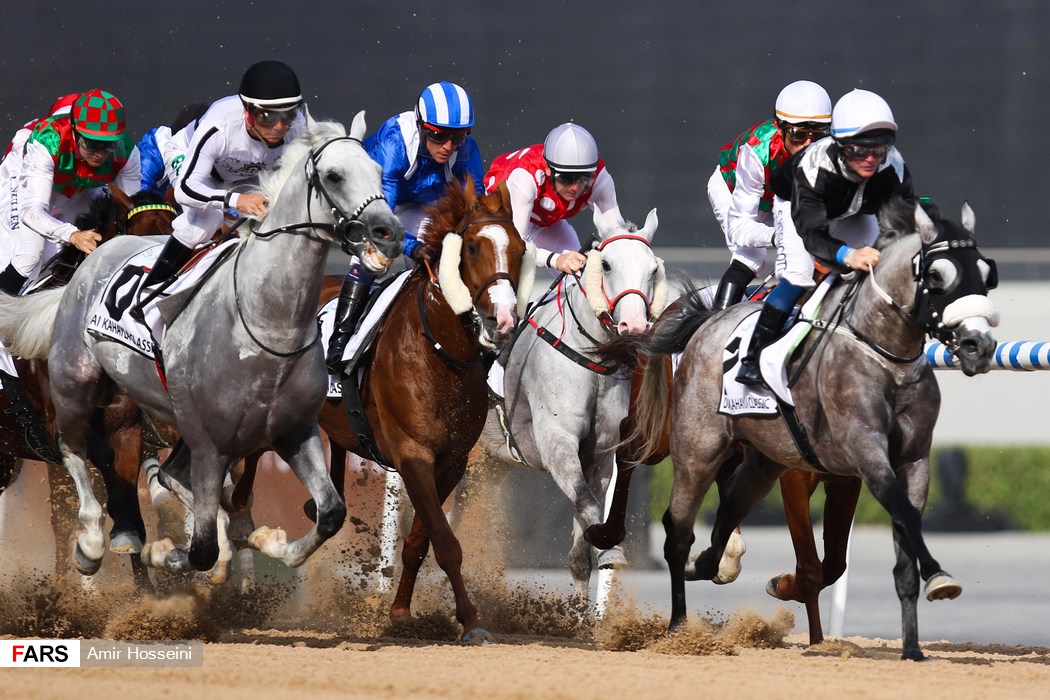

Dubai World Cup Day: Expert Turf Betting Guide 2026
Gambling is for 18+ only and this guide is for information purposes to help readers understand form, markets and race dynamics ahead of the Dubai World Cup meeting at Meydan. Please gamble responsibly; seek help if betting causes harm and use stake limits and bookmaker tools to manage activity.
Assessing Turf Form, Ground Conditions and Pace Factors
Start by breaking form into recent runs, class and trip suitability rather than headline names, as subtle pattern changes often indicate improvement or decline. Ground and pace shape are critical at Meydan where surface, kickback and international travel can change a horse’s performance profile.
Al Quoz Sprint preview: speed, draw and key stats
The Al Quoz Sprint is a fast, sharp test favouring early speed and an ability to handle Meydan’s downhill momentum, so look for proven quickness at the distance and course. Pay attention to turn of foot, gate speed and recent Meydan form when assessing value beyond media favourites.
Dubai Turf analysis: stamina, tactics and contenders
The Dubai Turf often rewards a blend of tactical versatility and genuine mile-and-a-quarter stamina, so horses stepping up from a mile should show previous stamina work or bred speed. Consider jockey tactics and how a horse handles a sustained gallop when weighing chances against the market.
Sheema Classic guide: form, trainers and international runners
The Sheema Classic brings international middle-distance stars together, so trainers’ international campaigns and travelling patterns are worth noting when comparing form lines. Horses who have handled long trips before or thrived in similar climates offer a more reliable basis for selection.
Dubai World Cup preview: key runners, trends and odds
The Dubai World Cup is a test of class, speed and resilience over the trip, often won by a horse with proven top-level form and a clear GPS-style racing pattern suited to Meydan. When assessing odds, weigh recent peak performances higher than a single flattered run where context is absent.
Interpreting recent runs and form lines for betting
Look for upward patterns across the last three runs rather than isolated wins, and check for consistent finishing speed or positional improvement. Horses with repeated near-misses at high class, especially when backed in, can indicate readiness without relying on short-term hype.
Using course and ground history to shape selections
Review each runner’s record over Meydan or similar tapeta surfaces and factor in winter preparation in Dubai for acclimatisation benefits. A proven affinity for the track’s kickback and cornering can outweigh raw ratings in tight markets.
Bankroll rules, stake plans and responsible play advice
Set a flat-per-bet percentage of your bankroll and avoid chasing losses; disciplined staking preserves enjoyment and reduces harm. Use bookmaker limits, reality checks and self-exclusion tools if you feel your betting is becoming problematic.
Market structure and where value typically appears
Value often exists in three areas: international travellers under-estimated by UK odds compilers, lightly raced improving horses and trainers targeting Meydan with a clear prep plan. Avoid overreacting to early market moves and compare prices across several firms for the best value.
How draw, tempo and race shape influence outcomes
Draw and early speed can be decisive in sprints like the Al Quoz, while turf middle-distance races hinge on the ability to settle and produce a finishing run. Use sectional data where available to identify horses who can adapt to the expected tempo rather than those reliant on a single race scenario.
How to compare bookmaker odds and promotions safely
Comparing odds across bookmakers is a core part of value hunting, but treat promotions as informational and read T&Cs before engaging with any offer. You can explore bookmaker comparisons on comparison tools to find current offers, remembering that betting should be done responsibly and is for 18+ only.
In-play considerations for Meydan races
In-play betting at Meydan rewards quick interpretation of pace and whether a horse is travel-weary or improving on the day, but latency and time-zone factors can make live watching harder for UK bettors. Use trusted live streams and reliable in-play markets, and avoid impulsive increases to stakes when behind.
Trainer and jockey angles to watch this meeting
International campaigns are often run by stable teams who target specific races with tailored preparation, so examine the trainer’s recent overseas results and hands-on jockey bookings. A top jockey switching to a horse at Meydan frequently increases tactical prospects but should not be the sole reason to stake.
Spotting likely improvers and hidden contenders
Look beyond raw ratings for horses that have been gelded, changed yards, or shown positive workout patterns in trial runs prior to the meeting. Horses stepping up a furlong or returning from a short break with a fast piece of work are typical improvers to monitor for enhanced odds value.
How international travel and acclimatisation affect runners
Long-distance travel, quarantine and new climates can blunt a horse’s performance for one run, so value may arise from those who show good post-travel trials. Trainers experienced with Dubai campaigns are more likely to manage acclimatisation well and should be weighted in market assessments.
Using pace maps, sectional times and analytics
Sectional times reveal whether a horse is more of a front-runner or closer and help predict if a race is likely to favour on-speed types or late finishers. Combine analytics with visual form study; numbers without context can mislead when surfaces or race distances vary markedly.
Responsible approaches to accumulators and multiples
Accumulators can offer big returns but increase volatility and risk; cap the number of legs and use smaller stakes for festival-style multis. Consider structured bets like singles with small each-way coverage or matched-bet-style approaches where permitted to limit exposure.
Common bias and trends at Meydan to factor in
Meydan sometimes shows a bias towards horses drawn to a particular side or those used to tapeta surfaces, so analyse race replays and official course notes for persistent patterns. Short-term weather changes can shift these biases, so check conditions on race day rather than relying only on historical trends.
Practical checklist before placing a bet on race day
Verify the final declarations, any late jockey switches, track conditions and the confirmation of estimated weights before committing stakes. Cross-check odds across multiple bookmakers and ensure any promotional terms are understood and appropriate for your betting approach.
We do not promise wins and this guide is for informational use only; betting should never be viewed as a way to solve financial problems or improve status. If you are in the UK and need support with gambling, contact organisations such as GamCare or use your bookmaker’s responsible gambling tools.
You can explore current bookmaker offers and compare odds responsibly using our comparison pages to find the most suitable options for your needs and budget.
Good luck and remember to gamble responsibly — set limits, stick to a plan and keep betting as a form of entertainment.
Frequently asked questions about Dubai World Cup betting
What should I look for when assessing a runner?
Check recent finishes, consistency at the trip and suitability to Meydan’s surface, focusing on three-run form patterns rather than single efforts. Factor in trainer targets and any noticeable improvement in workout or trial reports before backing a selection.
How important is Meydan form when backing horses?
Meydan form is valuable because the surface and track shape are unique; prior success at the venue suggests a horse handles local conditions. Give additional weight to recent good runs at Meydan when markets are tight.
Can international travel affect a horse’s performance?
Yes; long travel, quarantine and climate changes can affect fitness and temperament, so consider whether a horse has previous successful travel and acclimatisation records. Trainers experienced with international campaigns are typically better at managing these challenges.
Which markets are best for each Dubai feature race?
Sprints commonly suit win and place markets, while middle-distance contests may offer value in each-way and ante-post markets depending on field size. Bookmakers’ exchange and special markets can provide opportunities but compare prices and terms first.
How do track conditions influence betting strategy?
Soft or slower ground can favour stamina-rich runners while firm-like surfaces benefit speedier types; always check the going and recent race times for context. Adjust stakes and selection style to the expected surface rather than sticking to a single preference.
What stake size should I set for festival betting?
Decide a pre-set percentage of your bankroll for each bet and avoid increasing stakes after losses; this protects long-term enjoyment and reduces harm. Use small, consistent stakes for multiple races and reserve larger stakes for well-researched singles.
Are there value angles in each of the Group One races?
Value can come from international runners underrated by UK markets, lightly raced improvers, or horses with suitable race shape profiles that others overlook. Look for combinations of form, travel experience and tactical fit rather than relying on headline names alone.
See our recommended sports bookmakers and their free bet offers to compare current promotions from reputable firms if you choose to bet responsibly. You can also review our affiliated casino bonus listings at BestOfBets casino bonus page for new customer offers from casino partners.