

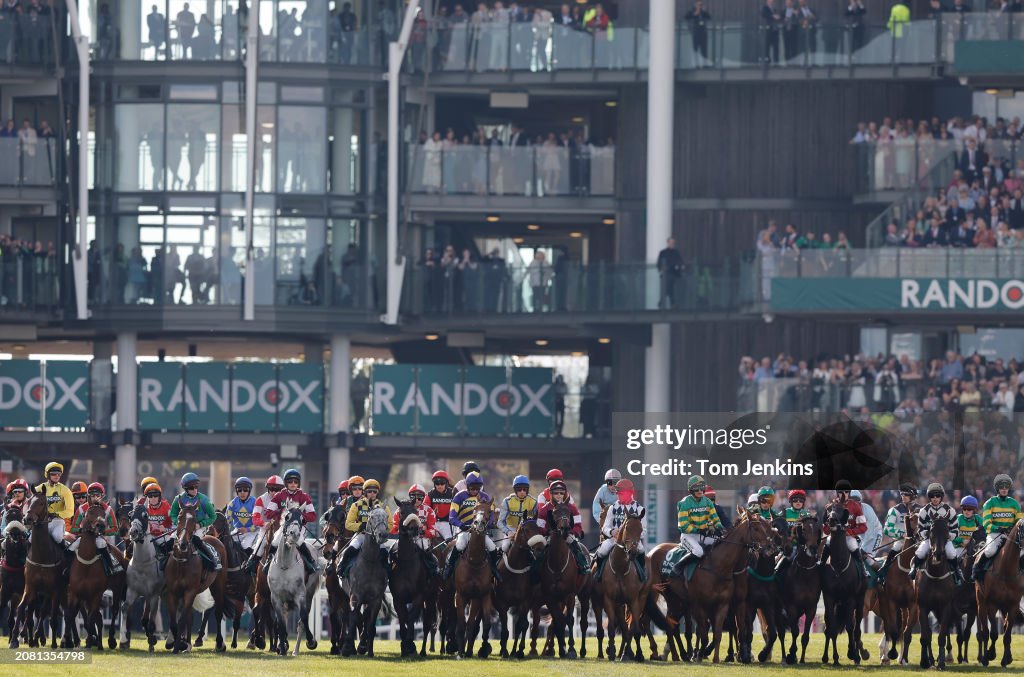
Randox Grand National 2024: Full Guide, Odds and Tips
Aintree Racing Preview: Entries, Trainers and Riders
The final 34-runner start list for the 2024 Randox Grand National sets the stage for a competitive renewal at Aintree, with Corach Rambler aiming for back-to-back victories. Readers should note that all racing and betting information is for over-18s only; gamble responsibly and seek help if betting stops being fun.
Top Favourites And Market Movers For The Grand National
Market attention has swung between Corach Rambler, Vanillier and a host of Gordon Elliott and Willie Mullins-trained entries, reflecting form, weights and proven staying ability over fences. When considering the market, backers should assess recent jumping performance and official ratings rather than chasing headline prices.
Analysis Of Key Irish Contenders And Their Form Lines
The Irish contingent is strong with contenders such as Noble Yeats, Vanillier and Delta Work providing a mix of past Aintree form and recent festival success. Close attention to ground preferences and how each horse has travelled in long-distance chases this season will clarify realistic chances.
Trainer And Jockey Form To Consider Ahead Of The Race
Trainer trends at Aintree are important: Lucinda Russell’s bid for a third National winner and Gordon Elliott’s attempt at a fourth will attract scrutiny from both press and bettors. Jockey bookings, from Derek Fox on Corach Rambler to Rachael Blackmore on Minella Indo, offer clues about connections’ expectations and tactical plans.
Evaluating British Hopes And Home Advantage At Aintree
British-trained runners such as Kitty’s Light and Nassalam bring strong National experience and local familiarity to the race, which can be decisive under testing conditions. Trainer tactics and rider awareness of the unique undulations and fences at Aintree often make small margins that matter on the day.
How Course Conditions And Weights Influence Prospects
Ground and the official weights can alter each horse’s profile considerably; horses carrying higher weights need to demonstrate recent form carrying similar burdens to be fully respected. Conditions on the day — especially if rain softens the turf — could favour proven mudlarks and those that stay strongly down the run-in.
Betting Strategy: Responsible Approach To National Bets
A sensible approach to betting the Grand National is to set a clear stake plan, avoid staking beyond entertainment budgets, and to treat the event as a high-variance contest rather than a predictable outcome. Explore bookmaker comparisons for odds and promotions, but never interpret offers as guarantees of return; bet only for fun and within your means.
Race Dynamics: How The Grand National Typically Unfolds
The Grand National is a long, demanding race where staying power, jumping resilience and racecraft combine to decide the finish, and many favoured types can fall away in the closing stages. Horses placed prominently early can be vulnerable to the relentless test of the final fences, so understanding individual race styles is important.
Understanding Pace, Positioning And Finishing Ability
Pace often plays out in three phases at Aintree: early navigation through the field, mid-race energy conservation, and a finishing kick over the last two miles, where stamina and weight carry the day. Riders who conserve ground and judge jumps precisely typically enable their mounts to have stronger finishes when many rivals begin to tire.
Assessing Each Major Contender Using Key Criteria
When assessing contenders like Corach Rambler, Minella Indo and I Am Maximus, combine their Aintree form, stamina credentials, recent race fitness and jumping consistency into a single view. Avoid relying on any single data point; instead, weigh several factors such as age, recent placed efforts, and recovery between races.
Handicap Factors And How The Weights Could Matter
The Grand National handicap can compress or widen the field’s prospects: lightly weighted stayers often hold an advantage, but those with higher marks can still prevail if recent form justifies it. Study weight-adjusted form lines and recent performances under similar burdens to form a balanced selection process.
Practical Tips For Watching And Following The Meeting
Plan ahead for the meeting day by checking official declarations, non-runner updates and last-minute ground reports that can materially affect selections and market moves. Use official racecards, watch jumping clips and read trainer comments to build a rounded picture before considering a wager.
Placing Bets Safely And Using Bookmaker Comparisons
If you choose to bet, compare available odds across bookmakers to secure the best price and check terms for free bet or sign-up offers that may alter value, always reading the small print first. Remember to gamble responsibly: set limits, avoid chasing losses and never bet money needed for essential living costs.
What To Watch For On The Day Of The Grand National
Key on-course indicators include how horses jump the first few fences, whether any prominent fallers unsettle the field, and early splits that hint at stamina reserves or slowing pace. Weather updates, late-scratch news and changes to declared jockeys can all prompt sensible reassessments of the market during race day.
Late-Change Scenarios And How They Affect Selection Value
Late withdrawals and jockey switches can alter relative chances and market value, particularly where a second-choice rider is familiar with the horse or course. Monitor official announcements closely and be cautious of last-minute impulse betting driven by emotion rather than data-backed reassessment.
How To Interpret Odds And Market Movement Strategically
Odds movement often reflects public money, insider confidence or shifting professional views; distinguish between sharp market moves driven by industry money and wider public-driven shortening. Use both market context and form analysis together to judge whether a price represents good value or just sentiment.
Value Betting Versus Backing Favourites In High-Variance Races
Value betting seeks positive expected value over time, but the Grand National is a single, unpredictable event where even well-reasoned selections can fail to finish. Therefore, limit stakes relative to bankroll and treat any wager as entertainment rather than an investment strategy.
Post-Race Considerations And What Results Mean
After the race, review the jumping errors, finishing splits and trainer/jockey comments to learn from outcomes and update models or personal notes ahead of future long-distance handicaps. Results also affect future handicaps and weights, so tracking how the race influences ratings can inform next season’s ante-post considerations.
Learning From The Race Without Chasing Losses Afterwards
Post-event reflection is valuable for improving future selections, but avoid impulsive bets intended to recover losses from the National; such behaviour can lead to harmful patterns. If you feel betting is becoming a problem, reach out to UK support services and use available tools to restrict or pause your activity.
Coverage, Media And Where To Find Reliable Race Info
Reliable race information is available from official Aintree communications, seasoned racing writers and on-course commentators who provide context beyond raw form lines. For betting comparison tools and bookmaker terms, consult regulated UK operators and dedicated comparison pages to ensure responsible, lawful participation.
All betting content is intended for readers aged 18 and over only; if gambling stops being fun, seek support via local resources and use self-exclusion and staking limits provided by licensed operators.
You can explore current bookmaker offers and compare odds through our tools on the site if you choose to bet responsibly.
Useful links and official race day information are provided for informational purposes only and do not constitute advice to bet.
Frequently Asked Questions About The Grand National 2024
Who are the main favourites and market leaders for 2024?
Market leaders include Corach Rambler, Vanillier and a handful of Irish-trained runners, with prices moving as final declarations and ground reports arrive.
How important are course form and previous Aintree runs?
Previous Aintree form is highly relevant because experience of the unique fences and race distance often separates contenders from the larger field.
What should I consider when assessing weights in the handicap?
Look at recent performances carrying similar weights and focus on stamina and finishing ability rather than weight alone when judging chances.
Are there particular trainers or jockeys to monitor closely?
Trainers with multiple recent National wins and jockeys experienced at Aintree often provide useful clues, but each combination should be assessed on current form.
How can ground conditions change a horse’s chance on the day?
Soft or heavy ground generally favours proven mud-loving stayers, while firmer ground can advantage speedier types; check official going reports before finalising views.
What is a sensible way to approach betting on the Grand National?
Set a budget, compare bookmaker odds, avoid staking beyond entertainment levels and treat any bet as an uncertain outcome rather than a financial plan.
Where can I find bookmaker offers and compare free bets safely?
Use licensed comparison tools to review current free bet offers for new customers and study terms carefully to understand wagering requirements and conditions.
What support is available if betting becomes a problem for me?
If you are concerned about your gambling, seek help from UK support services, use self-exclusion tools, and consider setting deposit and staking limits with licensed operators.
Explore our recommended bookmakers and their current free bet offers to compare sign-up deals and terms when betting responsibly. You can also view casino bonus offers and responsible play information at our casino bonus page.