

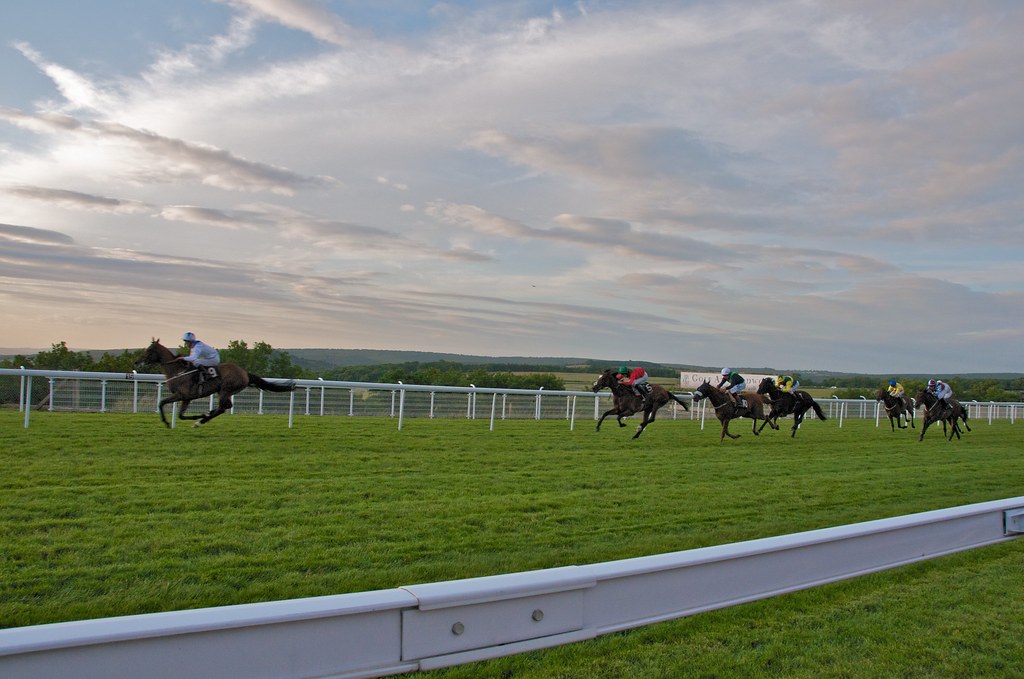

Goodwood and Galway: Midsummer Racing Preview
This expanded preview complements the existing Goodwood and Galway notes and offers practical betting angles, form interpretation and market guidance ahead of the big races. Read on for race-by-race context, staking considerations and responsible betting reminders designed for UK readers aged 18+.
Form, trends and betting angles for Goodwood races
Goodwood’s undulating track and firm midsummer ground shape form lines differently to many other tracks, so focus on recent performance on similar going and race pace. Deconstruct how three-year-olds are handling top-level company, and note how stable patterns emerge through Ascot and Newmarket form.
Key Goodwood contenders and what to watch
When assessing horses such as Tropical Storm, Jan Brueghel and Opera Singer, look for clear progression in class and a proven turn of foot on firm ground. Pay attention to horses with recent Group experience and to those stepping up in trip after fast juvenile or mile efforts.
Check jockey bookings and early market moves for signals of confidence, particularly where stablemates provide a guide to intended tactics. A wide draw or trip bias on the day can materially affect finishing positions at Goodwood, so weigh draw and pace map together.
How to assess form lines and recent performance
Compare finishing margins against common rivals and adjust for differing race tempo when judging form strength. Recent wins on similar ground and at similar distances carry extra weight when forecasting who will improve at Goodwood.
Reading ground, trip and draw impact on races
Firm ground suits many summer horses, but it can exaggerate a horse’s need for speed or stamina depending on course undulations. Always cross-reference official going reports with stable comments to understand whether a runner prefers quicker or more give in the ground.
Trainer and jockey trends to note at Goodwood
Some trainers target Goodwood with specific types of runners; look for handlers who ship sprinters or middle-distance fillies in peak condition for midsummer targets. Jockeys with local course winners can extract an extra fraction in tight finishes, which matters in Group and Listed sprints.
Follow jockey bookings close to post time as late changes often reflect course-specific preferences or fitness concerns. Where two leading jockeys ride stablemates, market shifts may reveal tactical plans that change race shape.
Each-way strategy for handicaps and big fields
In large handicaps such as the Galway Hurdle, prioritise horses with consistent recent top-six finishes and favourable weight-adjusted form. Spread stakes across a handful of credible each-way chances rather than concentrating on a single long-shot.
Galway Hurdle and Irish meeting betting notes
The Galway Hurdle is a testing, competitive handicap where course specialists can outrun odds on softer ground or with tactical advantage. Consider how English-trained challengers perform at Irish tracks historically and whether expected tactics suit Galway’s pace and fences.
Examine recent chase or hurdle patterns for contenders such as Daddy Long Legs and Jesse Evans, and factor in claimed weight allowances or jockey claims that can alter form lines slightly. In festivals with many races, ground can change through the card, so update assessments late.
Market movers, prices and how to read odds
Early prices reflect bookmaker opinion and public money; late moves often indicate inside information such as stable confidence or support from professional bettors. Use price movements as one data point among form, ground, trainer comments and race shape.
Avoid overreacting to a single market move and instead look for sustained support across several bookmakers to confirm significance. Compare odds across firms to find value while keeping stakes sensible and within a managed bankroll.
Using bookmaker comparisons and odds movement insight
Comparing odds between bookmakers can reveal value or highlight where the market expects a horse to run well, which is useful when assessing horses mentioned in the existing notes. Make use of comparison tools to identify the best price and to monitor early-money indicators.
Remember that promotional odds and enhanced offers are time-limited and do not change a horse’s underlying probability of winning. Always read terms and place bets responsibly with licensed UK bookmakers, and avoid chasing losses.
How to size stakes and value bets in practice
Stake sizing should be proportionate to confidence and account for losing runs; flat staking is sensible for sport betting while percentage staking protects the bankroll. Mark value when a runner’s true probability appears higher than the market reflects, but never treat value as a guarantee.
Record your bets and returns to refine judgement over time and to identify which types of races or markets you assess most accurately. Limit exposure in large, unpredictable handicaps and consider smaller, targeted stakes on graded or Group races where form is clearer.
Short race-by-race notes for Goodwood cards
For sprint divisions, prioritise horses showing early gate speed and recent wins on firm ground; for middle distances, value a clean change in trip that suits breeding and running style. In fillies’ and mares’ contests, check weight-for-age allowances and any pattern of improvement since stepping up from maidens or handicaps.
Combine official ratings with subjective comments from trainers and local reporters to form a rounded view. If a horse has a notable workout or a favourable stable note on race morning, treat that as supportive rather than definitive evidence.
Tips for following late handicap declarations and withdrawals
Late declarations and non-runners can reshape a race’s competitiveness; check final declarations and any rider changes within an hour of the off. When a key rival is withdrawn, reassess each-way prospects and adjust stakes rather than automatically increasing aggression.
Use official channels and bookmaker updates to confirm pound-for-pound changes such as weight or claims that directly affect your selection’s chance. Be prepared to adapt quickly while avoiding impulsive betting decisions in response to late news.
Responsible betting and bankroll management tips
Betting is for entertainment and is only open to those aged 18 and over; never bet money you cannot afford to lose. Set deposit limits, use self-exclusion tools if needed and seek help from organisations such as BeGambleAware if gambling causes harm.
Avoid framing betting as a way to solve financial issues, and do not chase losses with larger stakes. You can explore bookmaker comparisons through our tools, but always make decisions that prioritise well-being over potential returns.
For a consolidated view of current bookmaker free bets and first-bet offers visit our free bets page at https://bestofbets.com/free-bets. If you are also interested in casino bonuses, you can view the latest offers and bonus terms at https://bestofbets.com/casino-bonus.
Can I place bets on Goodwood from the UK legally?
Yes, UK residents aged 18+ may bet with licensed UK bookmakers on Goodwood and other meetings. Always use regulated operators and check identity and location rules before placing a wager.
How should I approach each-way bets in big handicaps?
Prioritise consistency and course form when making each-way selections, and allocate smaller stakes across multiple runners to spread risk. Each-way returns are most useful when you identify horses with repeat top-three finishes in similar company.
What factors matter most for three-year-olds at Goodwood?
Three-year-olds often benefit from a rapid progression and may have a class edge in fillies’ contests; study their improvement curve and how they handled Group company. Consider breeding for stamina when they step up in trip beyond a mile.
When do market moves indicate genuine value?
Sustained support across several bookmakers, combined with positive trainer news and consistent form, suggests a meaningful market move. One-off price fluctuations should be treated cautiously unless corroborated by other signals.
How do I use bookmaker comparison tools responsibly?
Comparison tools can reveal the best available odds and promotional terms quickly, but they should be one input among your analysis. Always read offer terms and avoid impulsive bets driven solely by marketing language.
Are there trainer or jockey trends I can rely on?
Trainer and jockey trends provide useful context but are not absolute predictors; use them to weight assessments rather than as sole decision points. Look for repeat target patterns at Goodwood and Galway and how top jockeys perform on similar animals.
What support is available if gambling becomes a problem?
If you or someone you know is struggling with gambling, contact BeGambleAware or GamCare for confidential support and tools to manage behaviour. Set practical limits and seek professional advice rather than relying on betting to solve financial worries.