

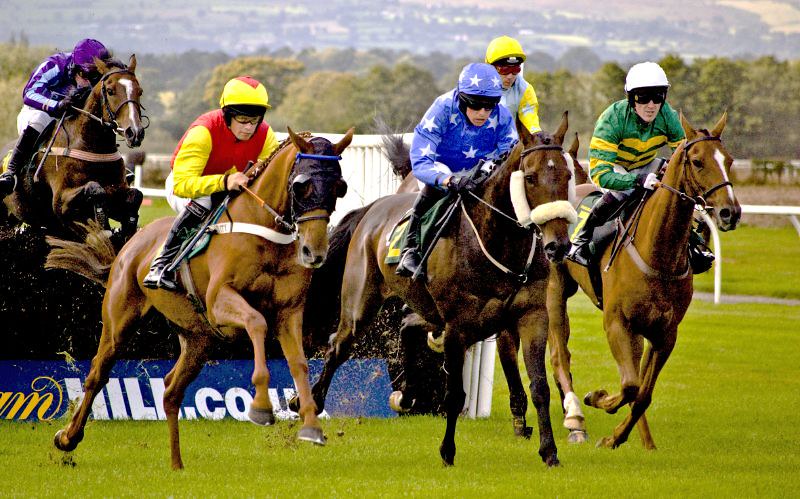

Cheltenham Festival Tips, Weekend Races and Analysis
This supplementary analysis expands on the Coral Cup ante-post pick and the weekend selections at Ascot and Haydock, offering detailed context on form, handicapping and race conditions. Please note that all betting content is for readers aged 18+ only and is intended to inform rather than encourage excessive play; always gamble responsibly.
Market Context, Form Lines and Handicapping Notes
When assessing ante-post opportunities it is vital to place prices alongside likely confirmations, qualification status and the prospects of late entries altering the market dynamic, especially in open handicaps such as the Coral Cup. This piece explains why qualification and exposure matter, how recent RPRs translate to festival handicaps and what to watch in the coming trials and early-season runs.
Why Be Aware Is Compelling As A Coral Cup Pick
Be Aware’s profile — already qualified, relatively unexposed and showing consistent improvement over hurdles — supports a constructive ante-post stance, with the current mark appearing fair for a horse likely to improve over 2m4f. The wider handicap picture, including rivals that may not secure qualification or who could be inflated by high-profile performances, strengthens the argument for taking a value position now rather than waiting for a potentially shorter price.
How to interpret handicap marks and RPRs
Raw RPRs should be viewed alongside weight carried, ground and trip to estimate whether a horse can defy its number at Cheltenham, and the best ante-post assessments blend RPR context with projected improvement curves. Trainers who target festival handicaps often leave a margin for progression, so look for unexposed profiles that have run consistently to a rising RPR rather than one-off peak figures.
Assessing Into The Park And Newbury Clocked Form
Into The Park’s Newbury clocked split relative to Be Aware and Navajo Indy offers a useful piece of collateral form, showing that his finishing sectionals can stack up when judged on comparable race-day speed and circumstances. Given his age and the way his form lines converge with proven performers, assessing stopwatch evidence alongside race shape and declared tactics gives a practical method for spotting handicappers who might be under-rated.
Preparing for variable ground and distance shifts
When a horse shows good sectional speed in a crawling or tactical contest, confirm whether the same pace scenario will apply at the target meeting and whether carrying weight over a longer trip will suit; small shifts in ground or pace can materially affect finishing ability. For Into The Park, the timetable of his seasonal runs, combined with the likely pace and ground at Ascot, suggests a soft-landing for his handicap mark if the race unfolds honestly.
Nemean Lion: Stamina Questions And Flat Form Signals
Nemean Lion carries a flat-race stamina blueprint and recent staying hurdle wins that hint at an upward trajectory over extended trips, but the Grade and pace of the Rendlesham present a test of whether he will fully stay at three miles on testing ground. The pragmatic approach is to balance his proven Flat stamina and steady jumps form with the race’s likely tempo and any confirmation from this season’s reappearance when sizing up his chance.
Responsible betting tips and bookmaker comparisons
Always compare bookmaker terms, prices and extra place concessions before committing to a bet, and consider the value of an early ante-post position only when it aligns with your staking plan and risk appetite. If you choose to place a bet, remember 18+ only and to set limits, use deposit controls and access support resources if gambling feels less enjoyable or becomes a problem.
Galia Des Liteaux: Weights, Distance And Jockey Claim
Galia Des Liteaux’s mark and Tristan Durrell’s three-pound claim materially change the arithmetic of her entry in the Grand National Trial, making her a more attractive each-way proposition given her proven stamina and recent competitive reappearance. Evaluating her form requires factoring in marathon experience, the likely reliability of the ground at Haydock and whether the jockey claim offsets carrying weight over a testing trip.
Pic d’Orhy And The Grade 1 Weekend Landscape
Pic d’Orhy looks the sensible selection in the big Grade 1 contest due to his proven pattern form at similar distances and the lack of convincing soft-ground form from several rivals, but patience is still required in Grade 1 handicapped-level events where race shape and declared runners can alter the outcome. For those assessing his chance, consider his proven finishing burst, the trainer’s festival record and the potential for fast early fractions to compromise horses who prefer a steadily-run race.
When looking across the weekend card, always weigh up each horse’s preferred ground, recent run style and whether the race pace will favour front-runners, hold-up types or strong travellers; these tactical elements are often decisive in handicaps and graded contests alike. Keeping a clear staking plan and acknowledging uncertainty in stamina or ground will help you make reasoned selections rather than speculative punts.
Practical Steps For Using These Selections In Play
Map a simple plan: decide stake size for ante-post versus race-day bets, identify acceptable minimum odds for placing bets and check final declarations and non-runner rules that could alter payout or trigger Rule 4 deductions. Use bookmaker comparison tools to find price differences and confirm market movement, but avoid overtrading — a small number of well-considered selections typically serves better than numerous speculative wagers.
How To Monitor Market Moves And Trainer Intentions
Follow late declarations, entries for alternative engagements and confirmed targets from trainers in press notes to gauge whether a horse like Be Aware or Kitzbuhel is being campaigned specifically for the Festival or merely eligible in passing. Significant market shortening after a trainer announcement or a penalty-earning performance should prompt a re-evaluation of value rather than an automatic increase in stake.
Final Notes, Responsible Play And Useful Links
This article aims to add structured context to the ante-post Coral Cup pick and the weekend selections by explaining why qualification, stamina evidence, jockey claims and sectional comparisons matter in race projection. Remember that betting involves risk and is for those aged 18+ only; always gamble responsibly and seek help if gambling stops being fun.
You can explore current bookmaker offers and compare free bets to help inform your choices at https://bestofbets.com/free-bets. For those interested in casino bonuses, browse current offers responsibly at https://bestofbets.com/casino-bonus.
How should I approach ante-post Cheltenham betting?
Ante-post betting rewards careful assessment of qualification, exposure and likely market changes rather than impulse staking; factor in the chance of non-runners and keep stakes proportionate. Remember this content is for readers aged 18+ and to gamble responsibly at all times.
What to check when assessing handicap hurdle form?
Check RPRs, the weight carried, ground and trip suitability, plus how exposed the horse is to further improvement when assessing handicap hurdle form. Prioritise consistent profiles and avoid relying on single standout performances as sole evidence of festival potential.
When is a jockey claim most valuable to factor in?
A jockey claim is most valuable in tight handicaps where small weight reductions change finishing margins, particularly in extended-distance handicaps and national trials. Always account for the claim in the declared weight and compare against rivals’ penalties or claims for a balanced view.
How to read form collateral on clocked Newbury runs
Clocked Newbury sectionals offer a useful comparator when the same day produced multiple relevant runs, but ensure race shape and pace were comparable before extrapolating the data. Use such collateral to support or question an observed finishing kick rather than as the sole basis for a selection.
Are there ground concerns to watch at Haydock and Ascot?
Yes — Haydock can be soft and testing in winter months while Ascot often rides quicker, so always check overnight rain and course reports before forming a final view. Ground preference should be a decisive factor in whether to back horses like Nemean Lion or Pic d’Orhy on the day.
How can I use bookie comparisons responsibly for betting?
Use comparisons to find best prices, enhanced places and favourable terms, but avoid increasing stakes purely because a market price shortens; maintain your staking plan and limits. If you feel gambling is causing issues, seek support and use tools to control activity.