

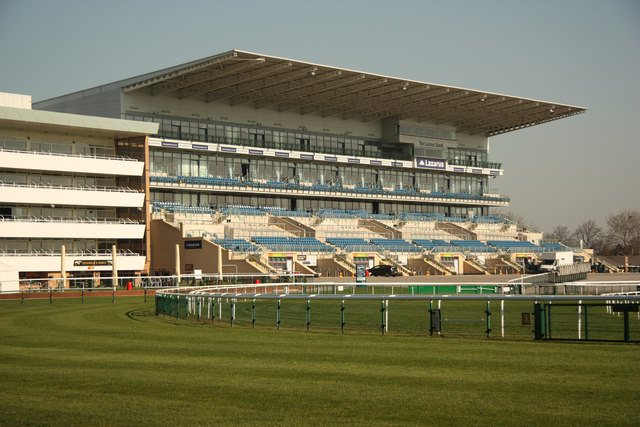
Doncaster and Newbury: Flat and Jumps Preview
This expanded preview complements the existing Doncaster and Newbury race notes with tactical observations, market guidance and responsible-betting reminders for readers aged 18 and over. Please gamble responsibly; the content is informational and not a promise of profit or a recommendation to stake money you cannot afford.
Early-season trends and going considerations
Early-season renewals often hinge on soft or testing ground and how horses have come through winter training programmes, so looking for recent runs on similar going is a practical starting point. Trainers who target early spring targets tend to prep with specific schooling and light runs, which can show up as a form advantage in small-field and handicap events.
Doncaster key runners, form patterns and traps
At Doncaster, monitor horses that closed last season strongly on heavy or soft ground, as they will likely transfer that form to any testing surface this spring. Beware of runners who only showed form on good ground last season if the going is cut up or labelled heavy in places, since that can blunt their usual finishing kick.
How going and draw affect sprinters and milers
Sprint and mile races can be draw-sensitive, especially on tracks with run-in bias or a prevailing inside advantage, so check recent draw-statistics and race replays where possible. Horses drawn wide may overcome that if they have superior early speed, but in big fields the ground and track position through the race are decisive factors.
Lincoln and mile contests: pace and tactics
The Lincoln and Cammidge-style mile contests often favour horses that can handle a strongly-run race and take advantage of testing conditions, so look for past stamina on similar ground and a proven turn of foot. Tactical speed combined with course experience is valuable; newcomers to the track should have shown adaptability in previous seasonal debuts.
Trainer and jockey form indicators to watch
Trainer strike-rates in early-season targets, plus recent jockey bookings, provide useful clues about confidence and expected tactics for a given runner. A stable in form or a jockey who has been winning in the past fortnight can often be the difference between a fair run and a placing on soft winter ground.
First big flat handicap: weights and angles
In heritage handicaps such as the Lincoln, weight allocations and recent rating movements matter more than headline ratings; small drops or tactical weight allowances can uncover value. Horses returning from a break who are campaigned specifically at the start of the flat season often have fitness and freshness on their side, particularly from targeted winter schemes.
Betting responsibly: limits and tools for players
Set staking rules and consider using bookmaker tools to limit deposits, self-exclude, or restrict play; these safeguards support responsible play for adults aged 18+. Avoid chasing losses or interpreting horse racing as a solution to financial problems; treat betting as entertainment with known risks.
Baradar, Knight and other likely performers in context
When assessing runners such as Baradar and Knight, integrate their proven ground preferences, season-to-date schooling reports and last-year form lines to create a performance map rather than relying on headline odds alone. Odds reflect public money and bookie risk management; value often sits where connections have targeted a race and the market has not fully appreciated that angle.
Newbury Grade Two mares’ novice hurdle prospects
For Newbury’s mares’ novice hurdle, consider recent hurdle schooling, jumping fluency and any form upgrades from crowded fields at lesser tracks. Mares that have shown finishing improvement late in a juvenile season or that have franked their form by beating subsequent winners merit closer inspection when the grade steps up.
Using bookie comparison tools safely and wisely
Comparison tools help identify differing odds and welcome offers across bookmakers, but use them for information rather than encouragement to increase stakes or chase marginal gains. You can explore current bookmaker offers through our comparison tools if you choose to bet responsibly and are 18 or over.
Handicap strategies for the spring flat meeting
In handicaps, the classic strategies include targeting lightly raced horses that improve with age, horses dropping in grade, or those stepping up who handle cut-up going. Watch for trainers who optimise weight claims and tactical jockey bookings to gain a racing advantage on turning tracks or heavy turf.
Market moves, odds and where value may lie
Early market moves can reveal inside confidence and are particularly telling in small-field contests where stable money is common; late drift can indicate negative reports or lack of market confidence. Look for discrepancies between expected performance based on form and the quoted price to spot potential value, but resist staking beyond your predetermined limits.
Frequently asked questions about these meetings
Below are practical answers to common queries about the Doncaster and Newbury cards, provided for informational purposes for adults aged 18 and over.
How should I assess form on soft or heavy ground?
Compare horses’ past results on similar going and favour those with clear wins or strong placements on soft or heavy turf, as that tends to translate across seasons. Also check sectional times and race replays where possible to confirm they handled the conditions rather than merely beating weak rivals.
What role does draw play at Doncaster and Newbury?
Draw impact varies by race distance and track layout; study recent meeting statistics and race patterns to identify any inside or outside biases. In sprint races a low draw may help, while in mile contests a prominent early position can be decisive when the ground is testing.
When is a trainer’s winter prep significant?
Trainers who focus on early-season targets will often produce horses fit and ready, indicated by light seasonal runs or specific school reports posted by connections. Stable strike-rate and comments in the market can be useful indicators of a deliberate prep plan.
Are listed and Grade Two races more predictable?
Higher-grade contests attract specialist runners and can be more formful, but they also present tactical complexity and may be vulnerable to improvers from handicaps; each race needs its own scenario analysis. Look for proven class horses, but be mindful that ground and race shape often decide outcomes in these events.
How can I use bookmaker comparisons without risk?
Use comparisons to check odds and available promotions, but avoid increasing stake sizes simply because an offer appears attractive; only use offers within your pre-set staking plan. Remember that incentives do not remove the risk and should never be seen as a way to guarantee returns.
What are sensible staking principles for these cards?
Adopt a flat-staking or percentage-based approach tied to an entertainment budget you can afford to lose, and never wager money needed for essentials. Keep stakes consistent, record bets and review performance to make measured adjustments over time.
How do jockey bookings influence short-priced markets?
Top jockey bookings can signal intent and influence market movement, as connections often place their best riders where a runner has a solid chance. That said, the horse’s suitability to conditions and tactical draw remain critical, so view bookings as one factor among several.
Can I find race replays and detailed form quickly?
Race replays and form data are widely available through official racecourse sites and reputable form services; use these resources to verify performance claims and to study how races were run. Combining visual evidence with form lines gives a clearer picture than odds alone.
You can find our current top recommended bookmakers and their free-bet offers for new customers at https://www.bestofbets.com/free-bets. For details of casino welcome bonuses from our affiliated partners, see https://www.bestofbets.com/casino-bonus.