

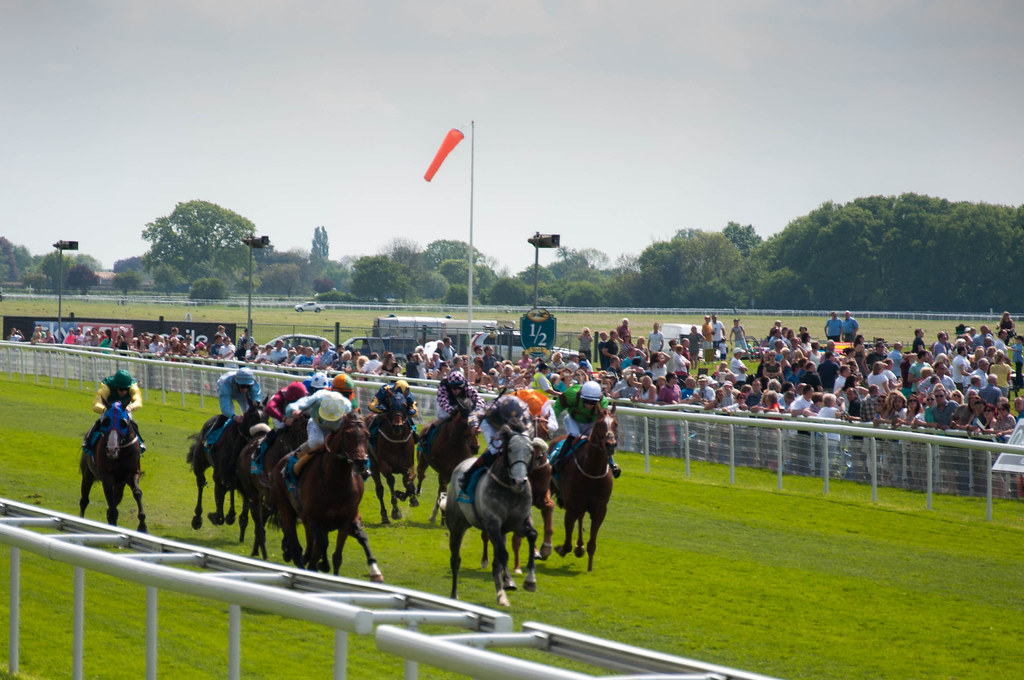

Lincoln Day Tips and Newbury Finale Betting Guide
How to assess the Doncaster and Newbury cards today
This guide expands on the day’s selections with actionable context for form, trainers and race types. It is written to help informed choices for UK racing fans and assumes readers are aged 18+ and betting responsibly.
Form lines and key form pointers for today’s races
When assessing the card, start with direct form lines such as last-season clashes and subsequent improvement from rivals. Those head-to-heads — for example Knight beating Charyn last year — are strong starting points but need checking against later form and race conditions.
Also factor in how horses have performed since those meetings, including whether horses have rated up or dropped back, and whether reappearance runs were indicative of fitness. A recent step forward or a clear setback will change the expected race shape and finishing order more than raw ratings sometimes suggest.
Interpreting finishing margins and subsequent form moves
Finishing distances give context: a short-head defeat in a high-quality race can be more telling than a narrow win in a weak contest. Look at whether horses beaten narrowly went on to win or improve, which often confirms the strength of that original line.
Check the quality of races contested after the referenced form line, since follow-up wins at a higher level or in bigger handicaps often validate earlier performances. Conversely, a string of poor runs after a solid effort usually signals declining form or unsuitable conditions.
Trainer and jockey trends to watch in both meetings
Trainer form and stable patterns are decisive, particularly early in the flat season when yards have winter plans and targets. Dan Skelton’s recent strike rate and stable confidence should be considered alongside individual horse profiles.
Jockey bookings matter too; certain partnerships perform well at specific tracks or in particular race types. Pay attention to consistent jockey-trainer combinations and changes of rider that might hint at intended tactics or renewed confidence.
Why weight, draw and ground matter for sprints
Sprint handicaps are often decided by small margins where weight carried and draw interact with track configuration and ground. In races like the Lincoln, draw bias and soft ground can both swing outcomes more than raw speed figures alone.
Evaluate how horses have handled similar ground recently and whether a draw will allow them to get the ideal position in the run. A five-pound weight difference or a favourable inside draw can be the edge in a competitive sprint.
Horse fitness, equipment and seasonal reappearance cues
Seasonal reappearances are telling — fresh horses with targeted wind and work improvements often outrun their opening-day marks. Look for first-time equipment such as visors or blinkers that can sharpen a previously lazy or unfocused performer like Knight.
Conversely, extended time off can be a benefit for an older campaigner returning in good order, but it requires confirmation from schooling reports and trainer comments where available. A recent smooth schooling session or a stable note of being “well” is useful corroboration.
Spotting value: market moves and late money signals
Price changes and late market support often reflect informed money from syndicates or shop bets and can be a strong pointer on the day. If a selection moves significantly in the last hour, dig into the reasons — trainer confidence, softer-than-expected going, or a small-field advantage can all drive that money.
Be cautious with very short-priced favourites that drift; that move can reflect negative inside information or concerns over the ground or fitness. Conversely, a late drift back to a bigger price after opening strong should prompt extra scrutiny before staking.
Handicap race tactics and when to consider each selection
Handicap handicaps require a balance of speed, stamina and favourable weight; younger horses carrying significant weight allowances can be over-rated or underrated depending on race distance and ground. A four-year-old taking 12lb off elders in a six-furlong heat, for instance, should be judged on early speed and how they handle that trip under pressure.
For horses dropping back from volume handicaps into Listed company, see whether they prefer smaller fields and a cleaner run. Orazio, for example, may prefer a clearer run and conditions that suit his running style more than a packed big-field sprint.
Practical in-play considerations for live betting
Watching early fractions can tell you whether to back leaders to hold on or to wait for closers if the pace is strong. A horse drawn to get a handy position but forced wide early on soft ground often tires late, which affects in-play staking decisions.
Keep stakes modest in-play and focus on value where odds drift unjustifiably or shorten sharply without obvious support. Live markets are fast-moving and favour smaller, disciplined bets rather than chasing losses or overtrading.
How to size stakes and manage a small betting bank
Staking should be proportionate to your bank with a conservative approach for most readers; a fixed-percentage plan will preserve funds during losing runs. Treat tips as selections to consider rather than guarantees, and size stakes to bankroll, not emotion.
Consider flat stakes for win picks and smaller each-way stakes where value exists, especially in large competitive handicaps. A modest staking plan keeps betting sustainable and avoids financial pressure or risky chasing behaviours.
Managing risk with each-way and multiple-bet strategies
Each-way betting spreads risk in big-field handicaps but increases the total stake, so calculate whether place terms and bookmaker margins make the bet worthwhile. In highly competitive handicaps such as the Lincoln, backing two or three value each-way selections can be more sensible than a large single stake on an outsider.
Permutated multiples or doubles are best used sparingly and only when selections show clear separate angles, such as differing ground preferences or distinct form routes. Remember that multiples amplify both potential loss and book profits, and should match the size of your bank.
Weather, going and track notes to finalise selections
Always check the declared going on race day and any late rainfall; soft or heavy going will materially change form lines. Horses that thrived on quicker ground last season can be vulnerable on testing going, while proven soft-ground performers gain an advantage.
Track layout — galloping tracks versus sharp, tactical courses — matters for draw and tactics. Doncaster’s longer straight helps strong closers if early fractions tire, while Newbury’s undulations suit horses with tactical speed and balance.
Practical bookmaker comparison and safe betting reminders
You can explore bookmaker offers and sign-up promotions using comparison tools to ensure you get competitive odds and sensible terms. Always read terms and conditions and be aware of minimum stakes, qualification rules and withdrawal conditions.
Gambling is for adults aged 18+ only and should be treated as entertainment, not a source of income. If betting stops being fun or creates stress, seek help and use self-exclusion or stake limits provided by bookmakers.
Final checklist before placing your bets today
Before committing, confirm declarations, do a last-minute check of jockey bookings and watch the market for late money. Re-check the official going and any late non-runners that will change race dynamics.
Keep stakes sensible, avoid chasing losses, and consider splitting stakes across win and each-way where the market offers value. Responsible play and careful assessment will keep your betting choices disciplined and enjoyable.
Common questions on the Doncaster and Newbury cards
How should I treat seasonal reappearance form in betting today?
Use reappearance runs as fitness indicators rather than definitive form, and look for clear signs of improvement or work changes that suggest readiness. Fresh horses with positive stable news can outperform early-season marks, but treat them with measured stakes.
What weight and draw factors are most crucial for the Lincoln?
Weight interacts with draw and ground; lower weight and a favourable draw can provide an edge in large Lincoln fields. On softer ground, stamina and track position matter more than raw early speed.
When is each-way betting preferable over a straight win stake?
Each-way is preferable in large handicaps or when a selection is a clear place chance at a value price. Avoid each-way on short-priced favourites where place terms are poor compared with the likelihood of finishing top three.
How do I spot value when multiple runners have similar form?
Look for small advantages such as weight relief, a change in equipment, a proven run on similar going, or a positive jockey booking to identify value. Market movements and stable notes can also reveal where the smart money is going.
Should I change stakes based on bookmaker promotions?
Promotions can improve value but do not justify oversized stakes; size bets to your bankroll and use promotions to enhance returns rather than drive larger risk. Always read the promotion terms and stay within responsible staking limits.
What is a quick rule for splitting stakes across multiple tips?
Use a percentage-based staking plan to split banks across selections and reduce exposure, for example allocating smaller weights to longer-priced each-way choices. Prioritise selections by conviction and distribute stakes accordingly to reflect your confidence levels.
You can explore our current bookmaker offers and free bet comparisons at https://bestofbets.com/free-bets if you choose to bet responsibly. You can also view casino bonus offers and terms at https://bestofbets.com/casino-bonus while remembering that gambling is for those aged 18+ and should be approached sensibly.