

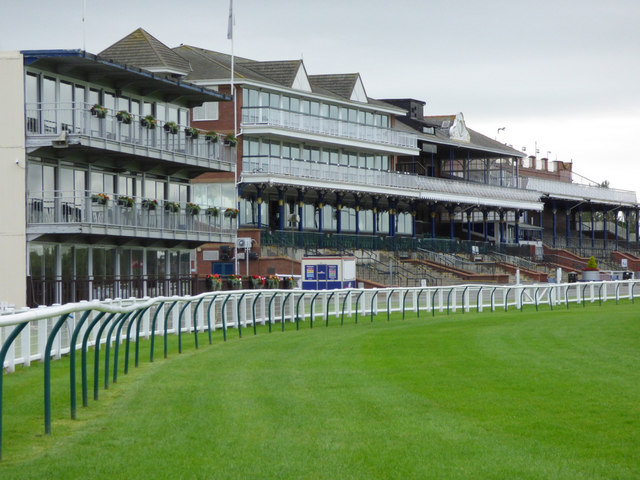

Weekend Racing and Guineas Trail Betting Preview
Race-by-race analysis, form pointers and value bets
The last few weeks of the jumps season are upon us, but it’s all quality racing from here on in. Today, we visit the west coast of Scotland for the second Grand National within the space of a week, the Scottish Grand National. Plus there Guineas Trail action on the flat at Newbury.
Ayr
Irish Jewel
2:15 – Scottish Champion Hurdle (Grade Two) – Ethical Diamond @ 4/1 (William Hill)
The Willie Mullins battalion has arrived to try and defend their masters trainers championship. The gap is around the £100,000 mark between him and Dan Skelton at this moment. Mullins has four in the race, but Ethical Diamond, for me, represents his best chance. Surprisingly, he’s only had one win over hurdles but ran incredibly well in the County Hurdle at Cheltenham. Carrying top weight in a limited handicap can be tough, but Mullins horses are always respected.
For the home side, Cracking Rhapsody may present as a good each-way chance. He wasn’t too far away when running on late for seventh in the County Hurdle at the Festival and runs off the same mark. However, he is higher than last year’s mark for third, but has made fantastic progress this year and cannot be discounted. 16/1 (General).
Scottish Rocker
3:35 – Scottish Grand National (Premier H’cap) – Rock My Way @ 11/1 (William Hill)
I tipped up Rock My Way as an each-way chance at Cheltenham, and probably the best each-way chance of the meeting. And boy, did he deliver. He couldn’t catch Haiti Couleurs but had incredible staying power, even if his jumping still needed ironing out. These National races and marathon trips will suit him down to the ground and the Spring ground will also be to his liking.
The Kniphand is racing very consistently with five top three finishes from his previous five starts and has won twice this season. He’s still unexposed at these marathon distances after he placed second in the Grimthorpe Handicap Chase at Doncaster over a month ago. Like Rock My Way, his last run showed that he has buckets of stamina which will be put to good use here. 11/1 (William Hill).
It would remiss if I missed out a Willie Mullins runner here and I fancy one at a price. Klarc Kent has been disappointing this season and finished eighth at Cheltenham. You could argue there’s a slight bit of form that has worked out from the Thyestes Chase which produced Nick Rockett. However, he finished fourth in this race last year off a mark of 132 and has been dropped to 124 this year. Jonathan Burke has been booked to ride, so requires a second look. 22/1 (General).
Newbury
Something’s Cooking
2:00 – Dubai Duty Free Stakes (Group Three) – Simmering @ 100/30 (William Hill)
One of the two-year-olds on the radar last season, Simmering had a busy campaign but has firmly put herself into the Guineas picture already. Her biggest success was in the G2 Prix Calvados at Deauville before finishing second in the G1 Moyglare Stud Stakes at the Curragh. She’s born to be a miler so improvement is expected in this trial.
Rash Decision
2:35 – Greenham Stakes (Group Three) – Rashabar @ 7/2 (General)
Possibly the surprise package in the two-year-old sphere was Rashabar from the Brian Meehan stable. He was worth noting when breaking his maiden in the G2 Coventry Stakes. He then placed narrow seconds to Whistlejacket in the Prix Morny and was a neck down to Camille Pissarro in the Prix Jean-Luc Lagadere. Down in grade, he is expected to come on for that last run and stamp a claim for the 2000 Guineas.
How to assess staying form for marathon chases
Stamina is the defining attribute in races such as the Scottish Grand National and recent marathon runs reveal which horses handle extended distances. Look for consistent late-section finishing and form over similar trips, as those traits translate best to long-distance handicaps.
Key handicapping clues from Cheltenham and Doncaster
Festival form and performances at Doncaster remain valuable because they frequently feature horses stepping up to marathon tests or dropping back in class. Evaluate whether a horse’s most recent efforts showed improvement, as a progressive profile often pays dividends in spring targets.
Flat racing Guineas trial form and developmental signs
Two-year-old form from last season is a strong starting point for Guineas trials, but growth and season-to-date progression are crucial on the road to Newmarket. Pay attention to performances at Group level and whether a horse looks to have strengthened physically since its juvenile campaign.
Interpreting weights, marks and handicap progression
Handicap marks tell you how a horse has been assessed relative to its rivals and recent drops or rises in marks can indicate opportunity or regression. Assess whether a mark accurately reflects current form by comparing head-to-heads, course fitness and recent conditions.
Where to find value in big-field national contests
Value often resides with proven stayers carrying competitive weights and those showing late-race resilience in big fields. Look for horses with course experience or trainers who time their spring targets carefully, as that combination can narrow the field more than the market reflects.
Jockey and trainer trends to monitor this weekend
Strong jockey bookings and trainers who target specific spring features deserve respect, especially when they book a pilot in form for a big handicap. Monitor last 30-day stats for trainers at each meeting and whether a stable has a string in form headed to similar races.
Practical each-way strategies for Ayr and Newbury
Each-way value is attractive in open handicaps and Guineas trials where form gaps are small and run styles vary; restrict selections to horses with recent evidence of stamina or mile potential respectively. Use each-way cover where markets look tight but the horse has shown finishing power or course suitability.
Responsible betting advice and age restriction notice
Betting is for adults only; you must be 18 or over to participate in any betting activities in the UK. Always gamble responsibly, set affordable stakes and treat betting as entertainment rather than a way to solve financial issues.
Checking ground, trip and seasonal fitness levels
Ground conditions and distance suitability can change race dynamics, so confirm recent runs were on comparable going and trips when assessing chances. Horses that handle the prevailing ground and show fitness signals in their most recent starts are more reliable propositions.
Using market prices to spot potential underdogs
Markets can misprice unexposed types or those returning to preferred conditions, creating value on the exchanges and with bookmakers. Look for horses supported quietly in the market or those whose recent form reads better than their current prices suggest.
Comparing bookmaker odds and offer terms safely
When using bookmaker offers, always read the terms and conditions, particularly wagering requirements and expiry windows, to ensure a promotion suits your approach. You can compare offers through our tools to find the most transparent terms for your needs without pressure.
How weather and going reports affect race outcome odds
Weather forecasts are critical in the days before big meetings as they can turn testing ground into soft conditions or vice versa, altering each runner’s chances. Adjust assessments when rain is expected and favour proven soft-ground performers if the going changes significantly.
Managing bankrolls and stake sizing for weekend cards
Set a predefined staking plan and avoid escalating stakes after a losing run, keeping any weekend activity within an agreed budget. Treat bankroll management as part of your race preparation and never stake amounts that could cause financial stress.
Reading racecards to identify improving juveniles
Racecards contain form lines that hint at improvement, such as recent wins by sensible margins, strong sectional times, or a step up from novices to pattern races. Juveniles who finished strongly in top juvenile events often progress into classic trials with the right developmental profile.
When to use forecasts, tricast and exacta markets
Forecast and tricast markets add complexity but can offer value when two or three horses clearly stand out on form and class. Use these markets sparingly and only where your confidence in the expected finishing order is high, as they can be harder to predict in large handicaps.
Assessing jumping efficiency and course experience
In staying chases and mares’ hurdles, jumping fluency under pressure is a key differentiator and horses with fewer jumping errors tend to stay on better. Course experience also helps, since familiarity with track undulations and fences can reduce the risk of costly mistakes on the day.
Spotting trainers with strong spring targeting schedules
Certain yards peak for spring festivals and big handicaps, so spotting trainers who bring a string to target meetings can reveal prepared horses at value prices. Trainers sending multiple entries may have pinpointed distances and ground where their horses are most competitive.
Checking jockey bookings and their form cycles
A top jockey taking the mount can swing a market and often reflects confidence from connections, especially when switching from another engagement. Look at a rider’s recent winners and whether their booking represents an upgrade, a stable stick, or merely a fill-in.
Practical notebook: quick pre-race checklist for punters
Create a short checklist before betting that covers ground, trip, recent form, trainer comments and jockey bookings to avoid impulsive wagers. This habit reduces mistakes and helps you make consistent, informed choices across meetings.
How to use form lines when backing each-way horses
Each-way backing should be based on clear evidence of reliability and finishing power rather than one standout run in variable conditions. Prefer horses with sequence of finishes or strong closing sections, as those profiles are most likely to land each-way returns.
Monitoring in-running markets during long-distance races
In-running markets can offer angles for horses that conserve energy early and finish strongly, especially in marathon contests where pace collapses are common. Follow the race shape and be prepared to trim stakes if the contest turns tactical beyond your initial selection’s strengths.
How to avoid common punting mistakes this weekend
Avoid chasing losses, relying solely on market hype or betting without checking weather and jockey changes, as these factors often cost money. Stick to a plan, use small, considered stakes and keep a concise record of wagers to learn from outcomes.
You can explore current bookmaker offers through our comparison tools if you choose to bet responsibly at any time. Our pages list a range of offers and comparison details to help you make clear choices without pressure.
Explore available free bet options and bookmaker comparisons on our free bets page: https://bestofbets.com/free-bets. For players interested in casino offers, see the latest welcome bonuses and terms here: https://bestofbets.com/casino-bonus.
How should I approach betting on the Scottish Grand National?
Prioritise stamina, recent long-distance form and course experience when assessing runners in the Scottish Grand National. Avoid overbetting and treat selections as entertainment within a managed staking plan.
What form clues matter most for Guineas trail runners?
Look for two-year-old Group form, improvement from juvenile season and suitability to a mile; horses with strong late-season form often progress well in Guineas trials. Consider physical maturity and trainer notes on readiness for classic distances.
How can I use market prices to identify value bets?
Compare opening and current prices to spot support, and check whether a horse’s profile is undervalued due to market inattention or recent conditions that suit it. Use multiple bookmakers to confirm value rather than relying on a single price.
What are safe bankroll rules for weekend racecards?
Allocate a fixed weekly or monthly budget for betting and never stake more than a small percentage of that per selection. Treat betting as recreation, not income, and stop if it becomes a source of stress.
When should I favour each-way selections at Ayr or Newbury?
Each-way bets are preferable in large handicaps and open handicaps where finishing places are shared across many stamina types. At Newbury, favour each-way on horses showing mile potential; at Ayr, favour those with proven stamina and soft-ground form.
How do I compare bookmaker offers and free bet terms?
Read offer terms for minimum odds, wagering requirements and time limits to ensure a promotion matches your intended play. Use our comparison tools to view offers side-by-side and always act within safe, responsible limits; 18+ only.