

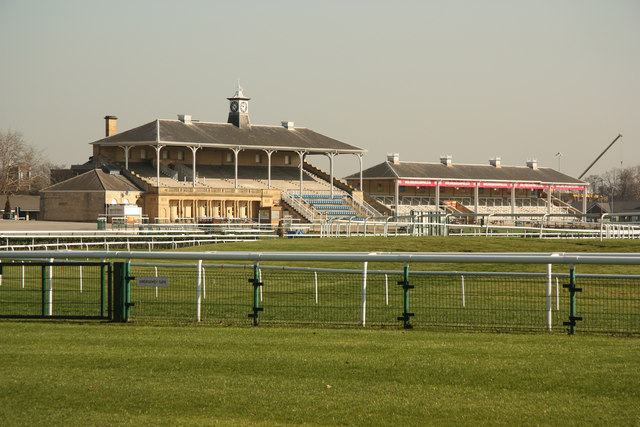

Doncaster Lincoln Day flat racing tips and preview
Doncaster’s Lincoln meeting is the traditional flat season curtain-raiser and a fantastic opportunity to revisit form lines across a straight mile and sprint trips. This expansion complements the existing race-by-race notes and focuses on how to interpret form, trainers, draws and market clues for the Brocklesby, Cammidge, Doncaster Mile and the Lincoln itself.
How to assess the key Doncaster races and runners
Use a structured approach: evaluate recent form, course and distance records, trainer/jockey trends and draw/pace dynamics for each race. This method helps separate likely improvers from horses merely fit enough to run on reappearance.
Interpreting form for two-year-olds in Brocklesby
The Brocklesby often produces unusual winners and early two-year-old types that improve rapidly from their first starts. Focus on breeding for speed, the style of debut (short-head defeats or clear flat sprints) and whether a colt or filly handled a stiff finish or wide draws.
Also factor in the draw on Doncaster’s straight mile for two-year-olds; low-drawn juveniles can gain shelter and a better rail position, whilst well-bred sprinters from known speed sires may handle the early dash. Trainers who target juvenile specials can be informative indicators.
How ground and weather affect Doncaster form today
Doncaster’s Town Moor can ride differently depending on dryness and rainfall, with grip favouring speedy types on firm ground and stamina bias creeping in on softer turf. Check the going and recent meeting reports to weigh a horse’s prior performances accurately.
What to look for in Listed mile contests at Doncaster
Listed mile events such as the Doncaster Mile reward proven quality and often attract horses stepping down from higher grades or returning from a winter campaign. Prior form in pattern races or strong handicap performances is a useful guide to class advantage.
Look for horses with course-and-distance form or those that have shown an affinity for right-handed flat tracks with a long straight. A horse that has placed at Newmarket or Ascot over a similar trip merits attention for Listed company.
Tips on reading breeding and pedigree for sprinters
Breeding can hint at optimal trip and adaptation to firm or softer ground; sprinter sires and close relatives that excel on quick ground suggest speed, whereas outcrosses to stamina lines indicate ability to cope with a tougher mile. Use pedigree as a corroborating factor rather than the sole indicator.
Assessing handicaps: pace, draw and course form clues
Handicaps like the Lincoln pose a puzzle in a large field where draw and early pace determine mid-race positions. Analyse sectional timing where available and note which stalls historically gain an early advantage on Town Moor.
Experienced handicappers also examine recent mark movements; horses dropping a few pounds often beat more lightly-raced rivals if they retain form, while those with consistently rising ratings may struggle off top weights.
Responsible betting advice for readers aged 18 and over
This site is for readers aged 18+ only and provides information for entertainment and research purposes. Please gamble responsibly and never stake more than you can afford to lose.
Trainer and jockey trends to consider before betting
Trainers with targeted spring campaigns and high reappearance strike-rates are valuable in early-season handicaps and Listed races. Small, focused yards that aim specific horses at Doncaster often outperform their numerical share, especially with well-publicised seasonal plans.
Jockey fit and recent bookings matter too; a stable’s first-choice rider can extract improvement, particularly on course specialists. Check late declarations and any jockey changes that indicate confidence from connections.
How to use market movement and bookmakers’ clues wisely
Initial market prices and early-money movement can highlight confidence from connections or smart-money pointers, but remember markets can overreact on slender evidence at the start of the season. Compare a range of bookmaker prices and watch for steady shortening rather than a single large bet.
Race-by-race practical pointers for Doncaster selections
For the Brocklesby, favour precocious two-year-olds with speed pedigrees and a positive draw; in the Cammidge Trophy assess top-speed form and recent Group or Listed runs. The Doncaster Mile suits proven milers with course form, while the Lincoln often favours well-handicapped, in-form improvers.
Weight, penalties and seasonal handicapping trends are key when considering entries that ran well last season; horses returning from a winter break sometimes enjoy a drop in competition that can be exploited by shrewd connections.
How to build a sensible staking plan around these races
Adopt a conservative staking regime: small, consistent stakes on selections backed by clear evidence, and smaller speculative stakes on longer-priced outsiders with a plausible profile. Avoid escalating stakes to chase losses or perceived certainty.
Record outcomes and review selections to refine your process; disciplined staking and sound analysis are more sustainable than chasing short-term gains. Always consider bookmaker differences and shop for the best price.
What betting markets to consider for Doncaster day
Popular markets include win, each-way and forecasts or tricast combinations for the bigger fields; in Listed races, narrower markets such as win-only often hold value for favourite-backed selections. Each-way terms can make a difference with longer-priced runners.
For handicaps, consider place-only speculation where form supports a horse but the win probability is uncertain. Use bookmaker comparisons to find competitive terms and always check each-way place conditions before placing a bet.
In-play considerations and watching the race unfold
In-play viewing lets you assess pace collapses or strong early fractions that impact finishers; a race that goes too fast early often produces strong closers. Use live replays briefly to confirm a horse’s action and the state of the ground after the opener event.
Keep wagers measured during in-play moments of excitement and avoid impulse bets driven by emotional reactions to a single race. Responsible, calm decisions usually produce better long-term outcomes.
Closing summary and how to follow Doncaster form updates
Doncaster Lincoln Day offers a blend of juvenile sprint intrigue, Listed mile contests and a testing heritage handicap that rewards form reading and attention to trends. Use the guidance above to complement the runner notes already on the page for an informed approach at the betting window.
You can explore bookmaker comparisons and current offers through our tools if you choose to bet, but please remember this content is informational and not a prompt to bet. Only bet if you are 18 or over and always do so responsibly.
You can explore current bookmaker offers and free bet promotions on this page: https://bestofbets.com/free-bets. For casino welcome offers from our affiliated partners see: https://bestofbets.com/casino-bonus
Frequently asked questions about Doncaster racing and betting
How important is the draw in Doncaster straight-mile races?
The draw can be influential on the straight mile, with low draws sometimes gaining an early rail advantage, but overall form and pace often override draw bias. Check recent meeting results and pace maps to best interpret draw impact.
What should I look for in Brocklesby two-year-old entries?
Prior sprint pedigree, a positive debut or fast works and trainer patterns targeting juveniles are useful guides. Avoid over-valuing one-run maiden winners without a pedigree or race style that matches the track.
How do Listed mile races differ from big handicaps at Doncaster?
Listed races tend to favour clearly higher-class horses and proven performers, while big handicaps are more about weight, mark and value. Assess both class and handicapper ratings when comparing runners across the two types.
Is market movement a reliable indicator of a runner’s chances?
Market shortening can indicate confidence from insiders but is not definitive on its own; look for steady movement across several firms and corroborating evidence from form and trainer notes. Shop for the best price rather than following a single market mover.
How should I manage stakes across multiple Doncaster races?
Use a consistent staking plan and limit exposure to a set bankroll percentage per day. Avoid staking increases after losses and focus on long-term discipline to preserve funds and enjoyment.
Where can I find up-to-date going reports and race replays?
Official racecards, the racecourse website and reputable racing broadcasters supply going reports and replays; these help confirm whether a horse handles the prevailing ground and how a race developed. Use those sources alongside form guides.
Are there specific trainer or jockey indicators to trust at Doncaster?
Trainers who target Doncaster meetings and have a high reappearance strike-rate are worth noting, as are jockeys with proven course experience. Combine trend data with current form to draw conclusions rather than relying on trends alone.
What is the safest way to use bookmaker offers and free bets?
Read terms carefully, compare offers across bookmakers and use free bets for low-risk exploration rather than expecting guaranteed returns. Always ensure you are 18+ and gamble responsibly when using promotions.