

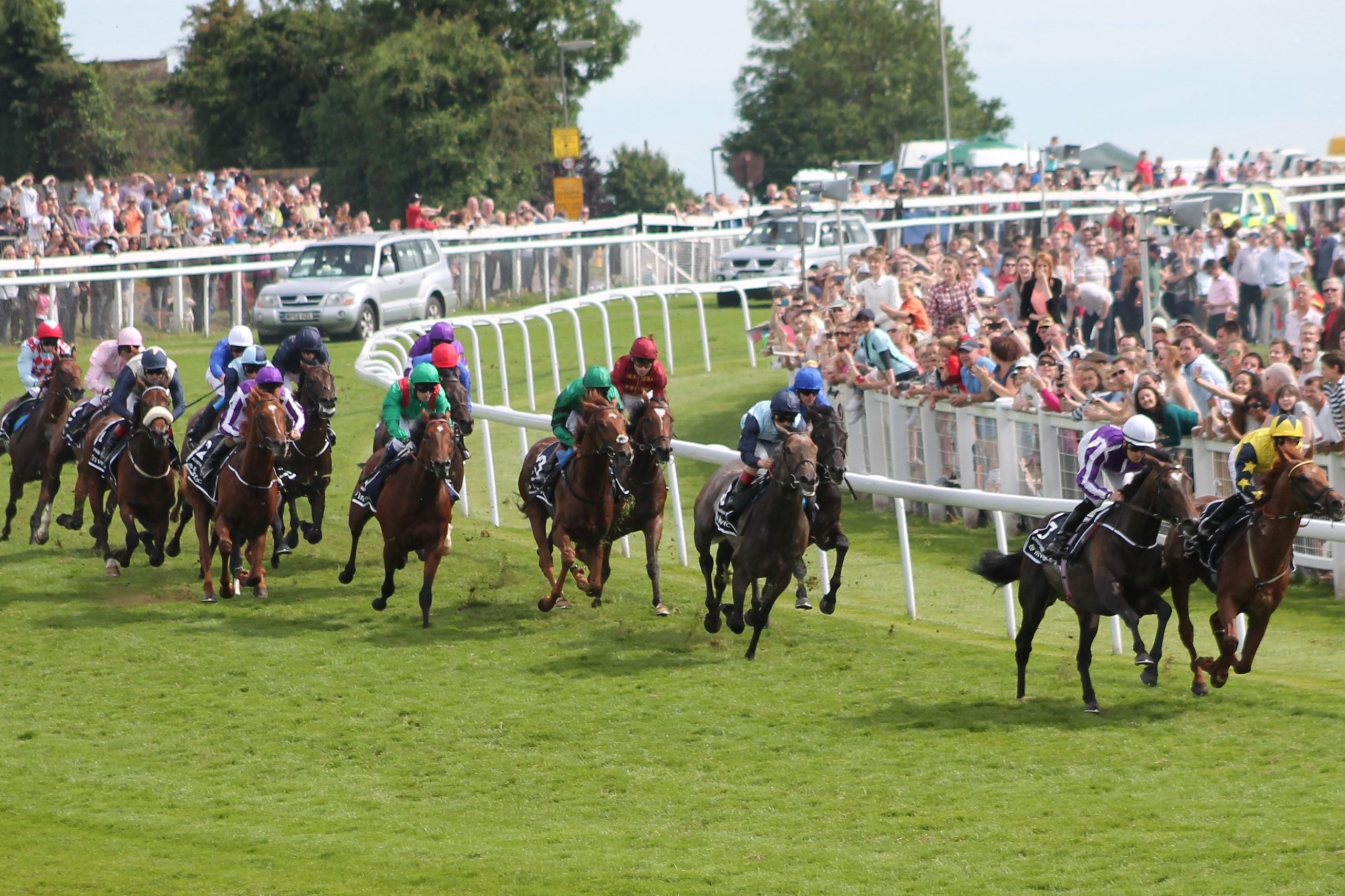
Epsom Derby Weekend: Tips, Form and Race Preview
The following expanded analysis complements our ante-post notes and weekend fancies for Epsom Derby weekend, offering additional context for the Princess Elizabeth Stakes, the Dash and key Derby support races. Please remember betting is for persons aged 18 and over and should be approached responsibly.
Key Races, Leading Contenders and Strategy
This guide breaks down formlines, track specifics and practical staking considerations to help you interpret the market without implying certainty or guaranteed outcomes. Use this as editorial insight to inform your own view and, if you choose to bet, explore bookmaker comparisons responsibly.
Analysis of the Princess Elizabeth Stakes form guide
The Princess Elizabeth Stakes shapes as a competitive contest where recent all-weather form and past turf performances both matter, particularly with 10 entered for the race. Identifying horses who have proven they can transfer AW speed to turf stamina is central to separating contenders from improvers.
Look closely at the level of opposition faced on prior starts and the weight-for-age allowances that apply, as small margins often decide close three-way finishes at this level. Trainers who target this specific spot with progressive fillies tend to provide the clearest clues on expected readiness.
Interpreting all-weather to turf form transitions
AW runs can understate finishing speed or overstate class, so focus on sectional evidence and the quality of rivals in those races. A strong AW third behind a known Group performer often translates to genuine turf competitiveness at middle distances.
Assessing jockey bookings and early-season fitness
Jockey choices often reflect trainer confidence and a horse’s intended ride, making them worth noting in ante-post markets. Early-season reappearances should be judged alongside wind and fitness reports rather than headline finishing positions alone.
Why Queen Aminatu appeals for Saturday at Epsom
Queen Aminatu’s AW form includes fast finishing sections and placed efforts behind proven performers, which suggests a filly on an upward curve with enough tactical speed to cope with a stiff mile. Her prior mile victory and a credible run on good ground at Haydock bolster the case for her coping on Epsom’s unique surface.
Consider the race shape: if she can be ridden to use early pace and slot into a prominent position, the likelihood of another progressive run increases. Monitor late declarations and any significant market shifts that reflect connections’ confidence.
Breeding, stamina and suitability over a mile plus
Pedigree signals such as a dam who stayed further can indicate a filly’s ability to handle the undulations and dip at Epsom over a mile. Look for sires and dams with proven stamina influence when assessing a one-mile plus assignment on Derby weekend.
Silver Sword: pedigree, stamina and race conditions
Silver Sword’s form sequence — a solid fifth to Military Order, then a second to Empress Wu and a workmanlike Southwell win — ticks many boxes for a horse stepping up to middle distances. Returning to 1m2f on breeding that suggests stamina seems logical and could unlock further improvement.
His official rating and the race composition will matter, so weigh the potential benefit of any non-runners and the likely pace scenario on the day. A strongly run race could play into his stamina reserves while a tactical affair might compress the finishing margins.
How ratings and recent form stack up for him
Examine RPR-style ratings alongside the quality of opposition in each start; a high RPR from a finish behind a well-regarded rival holds more value than a comfortable win against weak rivals. A drop or rise of a few pounds in the handicapper’s assessment should be seen in context rather than as an automatic verdict.
Clarendon House and the Dash: form, pace and chance
Clarendon House’s York reappearance and earlier performances show a pattern of racing prominently and producing a strong late surge, which suits a sprint test on a track that can favour well-handled, race-fit sprinters. His current mark and racing equipment changes are worth noting for the Dash at Epsom.
Assess pace maps closely for the Dash, as Epsom’s downhill and cambered straight can exaggerate momentum effects, rewarding those who travel well. Small pace advantages can translate into a decisive lead if ground and draw combine in a horse’s favour.
Epsom track peculiarities and sprint test analysis
Epsom’s undulating straight requires balance and a degree of tactical adaptability from sprinters, so horses who have handled cambers and downhill sections at prior meetings carry obvious appeal. Trainers who bring a known pacemaker or instruct a positive ride tend to shape race tempo dramatically.
Ante-post versus race-day markets and considerations
Ante-post betting offers value if you have a strong long-term view, but it carries greater risk due to non-runners and changing conditions between now and race day. Balance ante-post interest with flexible race-day plans, considering both value retention and the chance of forfeiting stakes if horses are withdrawn.
Study how connections speak about a horse’s target and note stable patterns for using specific races as stepping stones to Epsom. Where possible, use ante-post stakes sparingly and as part of an overall strategy rather than a headline commitment.
Pros and cons of locking in early ante-post prices
Locking in a price can secure perceived value but removes flexibility to react to form developments, whereas waiting preserves optionality at the cost of missing attractive odds. Treat ante-post stakes as speculative with the understanding that markets may correct as race day approaches.
Stakes, bankroll and sensible betting management
Effective bankroll management is central to enjoying horse racing responsibly; set stakes that represent a small, predefined percentage of your available betting funds. Consistent, modest staking plans reduce emotional decisions and keep betting an entertainment expense rather than a financial strategy.
If a run goes against you, review the selection rationales rather than increasing stakes in an attempt to recover losses; chasing losses risks irresponsible behaviour and financial harm. If betting stops being enjoyable or you notice worrying patterns, seek support and consider self-exclusion tools.
Simple staking plans to protect your balance
Flat staking, unit-based wagering and capped ante-post exposure are practical measures to control losses and maintain clarity across a busy weekend. Allocate units per race type and avoid compounding stakes across multiple correlated selections.
Recognising signs to stop and access support services
If you find yourself betting more than intended, neglecting other responsibilities or experiencing financial strain, pause and seek guidance from recognised UK support organisations. Many services offer confidential help and tools such as deposit limits, time-outs and self-exclusion for people aged 18 or over.
Reading market moves and trainer team news
Late market shortening is often driven by inside information, stable confidence or fitness reports, though not all moves are equally informative. Track trainer patterns across recent meetings to see whether market momentum follows specific connections and apply that insight to Epsom runners.
Conversely, market drift can signal caution or last-minute concerns, but should be weighed against the broader picture rather than used in isolation to rule a horse out. Always combine market evidence with form analysis and known race conditions.
How late market drift or shortening can inform choices
Shortening from several bookmakers, especially when accompanied by jockey confirmations and stable quotes, tends to be stronger evidence than isolated price shifts. Use these moves to refine staking rather than as the primary reason to back a selection.
How to use bookmaker comparisons and offers sensibly
Bookmaker comparison tools are useful for finding competitive prices and learning which firms are offering sensible promotions, but they should not be the sole driver of a betting decision. Evaluate offers on terms and value, and avoid offers that encourage stake inflation or risky behaviour.
Our comparison pages list available free bets and bonuses in a factual manner so you can compare terms, but never treat offers as a substitute for sound form study. If you choose to use an offer, do so within responsible limits and only if it aligns with your staking plan.
Exploring offers without risking impulse staking
Before taking an offer, read the wagering requirements and expiry dates and consider whether the promotion changes your pre-planned stake sizing. Treat promotions as occasional value enhancers, not as reasons to expand exposure beyond your agreed bankroll limits.
You can explore current bookmaker free bet offers via our comparison page to see which firms are offering terms that suit your preferences and responsible stakes for 18+ customers: https://www.bestofbets.com/free-bets. You can also review affiliate casino bonus deals and their terms for new customers, bearing in mind gambling is for those aged 18 and over: https://www.bestofbets.com/casino-bonus.
Frequently asked questions about Epsom Derby raceweek
How should I interpret all-weather form for Epsom weekend?
All-weather performances are valuable when backed by quality of opposition and sectional data, but look for supporting turf runs to confirm adaptability to Epsom. Always combine AW form with breeding, trainer patterns and any turf tests the horse has completed.
Is ante-post betting sensible for Derby and supporting races?
Ante-post betting can offer value if you accept the risk of non-runners and changing form; use it sparingly and as part of a capped ante-post allocation. Treat these bets as long-term speculative stakes rather than guaranteed returns.
What factors make Epsom different from other racecourses?
Epsom has undulations, cambers and a unique home straight that can unsettle inexperienced horses and favour balance over pure speed. Evaluate a horse’s previous experience on similar tracks and its ability to handle bends and downhill runs.
How important are jockey bookings for weekend chances?
Jockey bookings can be a reliable indicator of trainer intent and horse confidence, but consider the whole package including stable form and riding style. A top booking matters most when paired with recent fitness and suitable race conditions.
How do I manage stakes across a busy race weekend?
Adopt a pre-defined staking plan using units and caps for ante-post versus race-day exposure, and do not increase stakes to chase losses. Keep betting recreational and seek help if it stops being enjoyable; services and tools are available for those aged 18+.
Where can I find reliable bookmaker comparisons and offers?
Use comparison tools that clearly list terms and wagering requirements and compare multiple firms before using offers, always within responsible staking limits. Our comparison pages present current free bet and bonus listings to help you make informed choices at 18+.
What should I do if I’m concerned about my gambling?
If you notice worrying behaviour or financial strain related to betting, pause activity and contact a UK support service for confidential help and practical tools like deposit limits or self-exclusion. Help is available for adults aged 18 and over, and seeking support is a responsible step.