

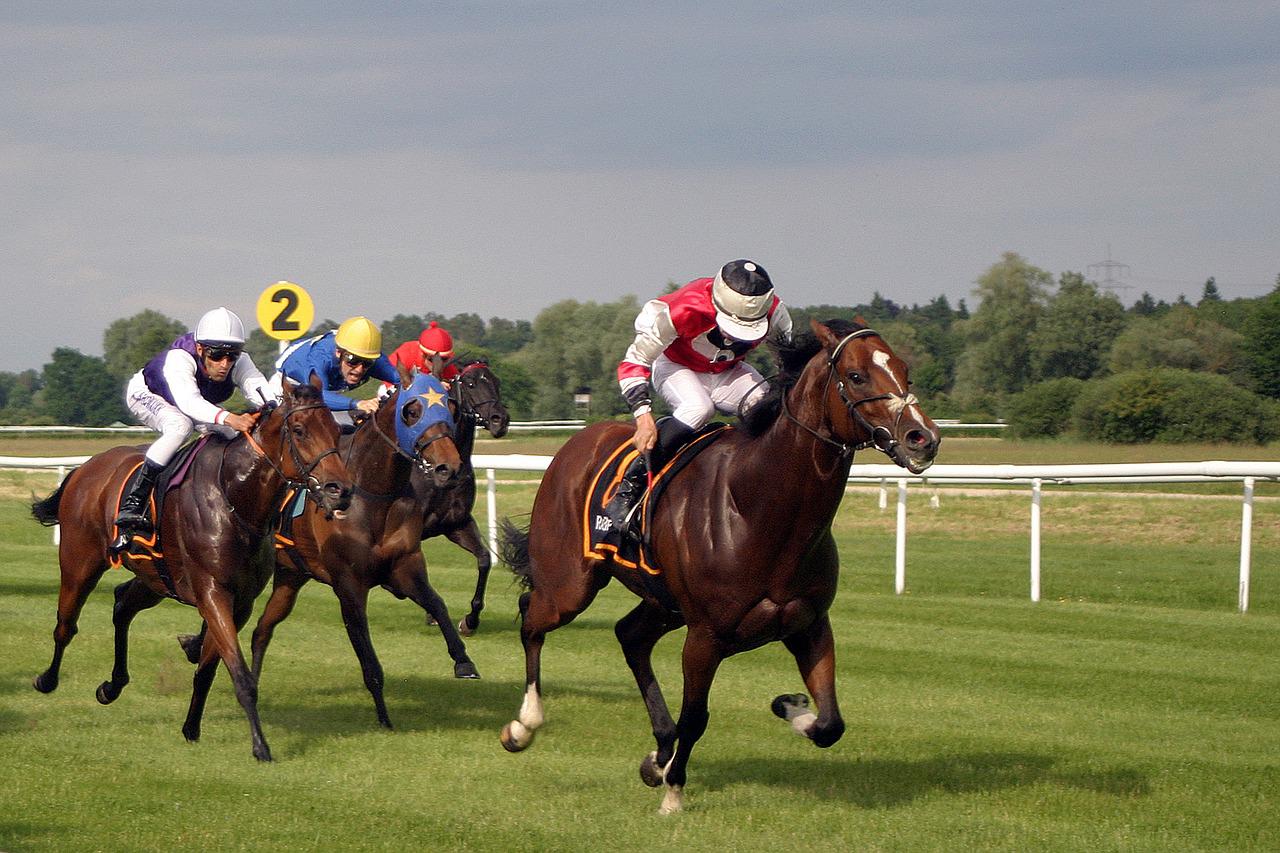

Betfred Derby Festival: Epsom weekend racing guide
How we analyse the card and value betting options
Our approach for the Betfred Derby Festival is rooted in form study, race dynamics and value assessment rather than impulse backing.
We balance past results, going preferences and trainer-jockey patterns to identify where the prices represent genuine value for a range of budgets.
Evaluating track conditions and their impact on form
Epsom’s unique camber and undulations make going descriptions particularly important; fresh rain can reshuffle the formbook rapidly.
When assessing Soul Sister, White Birch and Astral Beau we weigh previous performances on Good to Firm against soft-ground runs to judge adaptability.
Interpreting trainer and jockey recent performance trends
Trainer and jockey momentum often translates into marginal gains on big days and can be a decisive factor where class is similar.
We note Frankie Dettori’s handling of Soul Sister and the confidence shown by JJ Murphy’s camp with White Birch as relevant context rather than conclusive evidence.
Assessing each selection for race suitability and pace
Race shape and expected fractions are central to evaluating whether a horse’s running style will be effective over Epsom’s 1m4f and adjacent trips.
Soul Sister’s turn of foot, White Birch’s stamina pedigree and Astral Beau’s speed-staying mix are analysed against likely pace scenarios on the day.
Managing staking, odds value and responsible play guidance
We recommend staking strategies that reflect confidence levels and bankroll discipline, avoiding over-exposure on any single selection.
Always gamble responsibly and ensure you are 18 or over before placing bets; treat wagering as entertainment, not as a way to make money.
Why Soul Sister suits expected Epsom fast going
Soul Sister’s juvenile win and Musidora run show she is progressive and prefers firmer turf, which matches the forecasted Epsom going.
Her turn of foot on a drying surface suggests she can cope with the downhill section and quicken when asked in the final furlong.
White Birch profile: stamina, pedigree and prep
White Birch carries a pedigree that suggests staying power and his Dante second illustrates his ability over a strong middle-distance test.
Connections appear to have targeted the Derby, and his Irish form provides a useful benchmark for how he might handle the unique demands at Epsom.
Astral Beau: distance suitability and consistency metrics
Astral Beau’s recent form shows consistency and a capacity to handle slightly different trips, making her an interesting each-way contest option.
Her Doncaster Mile win and solid Howden placing indicate she can contest mid-division battles and stay on for placing claims in this line-up.
Form lines to trust and those to treat with caution
Wins on deep or heavy ground should be down-weighted if the forecast is Good to Firm, whereas performances on firmer turf gain in relevance for Epsom.
For each selection we separate robust form lines from those inflated by favourable conditions or weak opposition.
How to compare recent race times and sectionals
Sectional times can reveal whether a horse closed strongly or simply benefited from a slow pace, which matters hugely over Epsom’s undulating mile and a half.
We use pace analysis to map likely race scenarios and to see which runners are best positioned to capitalise on late speed or sustained pressure.
Race day checklist for Epsom punters and watchers
Before placing a bet check the official going, any late declarations, jockey changes and the draw or barrier position where relevant.
Monitor weather updates and post parades as small changes to course condition can alter the form picture significantly.
Watching the draw and barrier influence at Epsom
Although draw bias is less stark over Epsom’s Derby trip than on straight tracks, position can still affect turning and cover on the home bend.
We advise analysing how horses have handled bends and currents in previous runs, particularly those stepping up in trip.
Trainer tactics and placement strategies at Festival meetings
Top yards often map campaigns across trials and early-season runs to peak at major festivals, and recognising that plan is key to spotting improvers.
Look for horses running in a pattern that suggests a targeted prep for Epsom rather than one-off entries; this can signal readiness to deliver.
Selecting markets: win, each-way and alternative bets
Different markets suit different intentions: a win bet suits conviction, while each-way spreads risk and targets payout on placings in larger fields.
Consider alternatives such as forecast, tricast or place-only markets where the field size and price suggest better value without over-stretching stake limits.
Practical tips for reading odds and implied probability
Convert odds to implied probability to see whether a price represents value against your assessment of a horse’s chance.
Where bookmakers differ in pricing, small differences can be exploited through comparison rather than increasing stake size.
How weather and course bias can alter festival betting decisions
A quick change from dry to wet can advantage horses with proven soft-ground form, so re-assess selections if rain arrives before post time.
We recommend keeping a shortlist and being ready to switch to alternatives if the going shifts away from the assumed Good to Firm baseline.
Responsible gambling and support information for readers
This site is for users aged 18 and over; gambling should be treated as entertainment and not a way to solve financial problems.
If wagering causes concern, seek help from recognised organisations such as GamCare or use bookmaker tools for deposit limits and self-exclusion.
How to set sensible betting limits before race day
Decide a staking budget in advance and avoid chasing losses or increasing stakes after unfavourable results.
Use features such as deposit caps and session time limits offered by many operators to maintain control over your betting activity.
Using bookmaker comparisons to find fair prices and offers
Comparing multiple bookmakers helps you find the best available odds and confirm each-way terms rather than relying on a single source.
Remember that offers and sign-up promotions change frequently; view them as tools to enhance value while remaining mindful of wagering requirements.
Putting the selections into practice: sample approach for Epsom day
Create a plan that mixes a smaller win stake on your top pick with lower each-way cover on longer-priced selections for risk management.
Keep records of bets and outcomes to refine your approach over time and to identify which market types and races suit your strategy best.
You can explore current bookmaker offers through our comparison tools if you choose to bet responsibly and are 18 or over.
For new customer free bet deals and comparisons see our full list of recommended bookmakers at https://bestofbets.com/free-bets and for casino welcome bonuses visit https://bestofbets.com/casino-bonus.
Frequently asked questions about Derby Festival betting and selections
Who can place bets on the Betfred Derby Festival?
Only persons aged 18 or over should place bets; UK law requires verification of age and identity for regulated betting accounts.
How should I adjust picks if the going changes before racing?
Change selections towards horses with proven form on the new going and reassess pace maps for altered race dynamics.
Is each-way betting a sensible choice at Epsom?
Each-way betting can reduce risk in larger fields, especially when you want to cover a longer-priced selection for a place return.
How much should I stake on festival long-shots?
Stake long-shots proportionately smaller as part of an overall staking plan to protect your bankroll and avoid overexposure.
What tools help compare bookmaker odds and offers safely?
Use reputable comparison pages to view odds and terms, and always read T&Cs for promotions while noting wagering restrictions.
Where can I get help if gambling becomes a problem?
If gambling causes harm, contact support services such as GamCare, and consider using self-exclusion or limit-setting tools from operators.
Do trainer or jockey changes affect a horse’s chance significantly?
Yes, late changes can alter a horse’s prospects; assess replacements in context of their form and rapport with the horse.
How do I know when a bookmaker is offering genuine value?
Value is present when the bookmaker’s price is materially longer than your assessed probability; use comparisons and implied probability checks.
Readers can compare current sportsbook free bet offers on our dedicated page to find the best terms for new customers if they choose to bet responsibly and are 18+. Visit our casino bonuses page for new customer offers from our affiliated casino partners if you are 18 or over.