

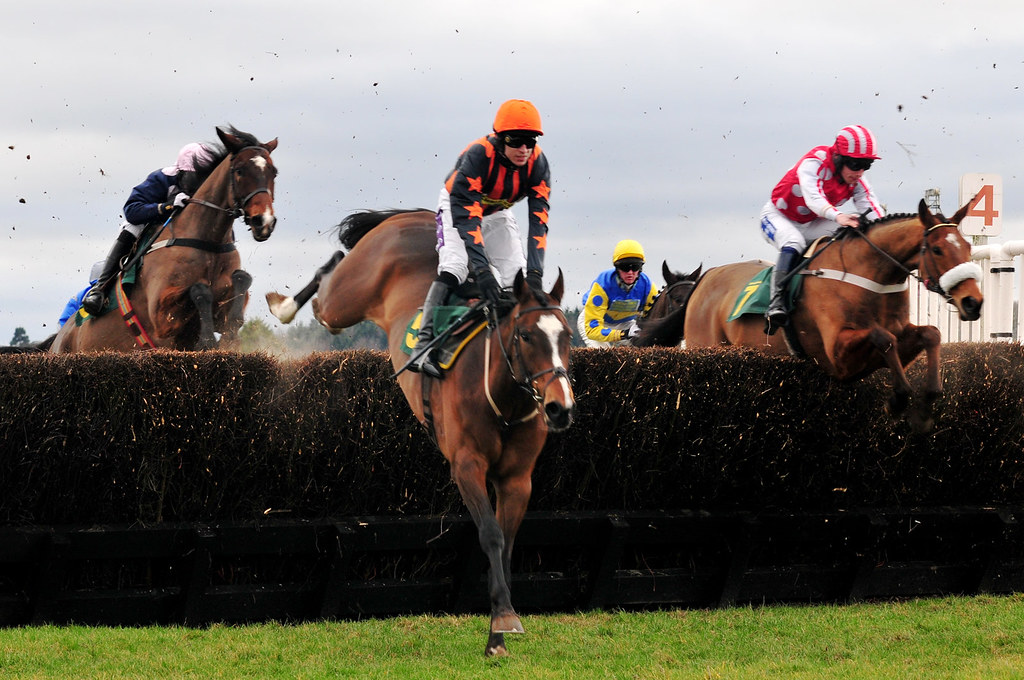
Chepstow Season Opener and Newmarket Group 1 Preview
Today’s combination of Newmarket Group 1 action and the Chepstow jump season opener gives UK racegoers a varied card to assess and enjoy. This preview expands on form lines, tactical angles and responsible betting considerations for the key races mentioned above.
Form, Betting Angles and Race Day Strategy Overview
We focus on practical insights you can use pre-race, including how to read recent form, assess trainer patterns and spot value in the market without chasing returns. Remember this content is for over‑18s only and aims to inform responsible decisions rather than encourage staking beyond your means.
Newmarket Group 1 and Cornwallis Stakes Notes
Newmarket’s card asks different questions of sprinters and milers, with tactical pace maps and draw bias playing a part in small-field sprints. Look for horses who have shown adaptability on fast Newmarket ground and those coming from competitive festival races where form lines have been validated.
Interpreting Odds and Market Moves Before Racing
Market moves often reveal more than a single trial; traders react to stable confidence, declared jockeys and late weather changes, so watch opening and antepost shifts closely. A late drift can be informative, but avoid overreacting to small percentage swings on the exchanges.
Chepstow Jump Season Opener: Key Contenders
Chepstow’s Persian War Novices’ Hurdle and supporting races reward horses with proven jumping fluency and a positive seasonal reappearance profile. Factor in each horse’s summer preparation, point‑to‑point background and how they have handled different ground since novice outings.
Practical Stake Plans and Bankroll Management Tips
Decide stakes before markets open and use a consistent unit system to limit emotional staking after form updates or social media noise. Conservative staking preserves capital; never treat betting as a way to resolve financial issues.
Why Mr Lightside and Ryan’s Rocket Matter Today
Mr Lightside’s sprint form and previous wins over recognised festival rivals deserve respect in the Conwallis Stakes, while Ryan’s Rocket brings point‑to‑point progression and novice hurdle wins that stack up for the Persian War. Comparing their seasonal reappearances and the quality of the horses they beat provides context for current prices.
Using Free Bets and Offers Responsibly for Value
Free‑bet offers can improve value but always read T&Cs, noting expiry windows and wagering requirements that affect real value. Use promotional stakes to trial ideas rather than inflate liability, and only use offers from trusted, UK‑licensed bookmakers.
Moon Hunter and Fresh Form: Seasonal Considerations
Moon Hunter has shown strong fresh form historically and a rating near 120 suggests he can outrun his price if reappearance performance matches past seasonal debuts. Consider the pattern of his lay‑offs and the types of races where he has previously produced his best efforts when assessing his chancer profile.
How Weather and Going Influence Form Lines
Soft or heavy going changes the race dynamic dramatically in Britain and Wales, favouring horses that have previously handled testing ground and altering pace assumptions. Check forecast and going reports early and keep an eye on watering or track changes announced on race day.
Trainer and Jockey Trends to Watch This Meeting
Trainer patterns — such as proven winter‑to‑summer reappearance success or a stable’s early season targeting of specific races — help weight form lines beyond raw results. Jockey bookings also matter greatly at Newmarket and Chepstow; a change to a first‑choice rider can be a significant positive signal in the market.
Incorporating Trainer Patterns into Selections
Research recent strike‑rates at similar meetings and the trainer’s stated targets for the season opener to refine each selection’s chance. Avoid over‑relying on a single data point and seek corroborating evidence from stable form and known preparations.
Market Movement and Where Value May Lie
Value is often found among horses with recent progressive form that have not attracted speculative money, or in proven re‑appearers whose last run flattered or underperformed due to conditions. Backing value means accepting that probability implies losing runs; keep stakes proportionate to estimated chances.
How to Read Form Lines Beyond Finishing Positions
Assess visual signs like finishing effort, whether a horse was blocked or had to switch, and the quality of the opposition rather than just finishing order. Timeform style notes — distance beaten, closing speed and race shape — help distinguish between hard luck and poor performance.
In‑Running and Alternative Market Options
For those following races live, in‑running markets and exchanges allow adjusting exposure where pace or jumping unfolds differently to pre‑race expectations. Use in‑running only if you have a clear plan, and set maximum limits to avoid chasing losses in the heat of the moment.
Selecting Between EW and Win Strategies for Each Race
Each race type can suit different approaches: e.g. sprints at Newmarket often suit win stakes while novice hurdle events may offer better each‑way value for longer priced progressive types. Decide on a per‑race basis, factoring field size, place terms and the price you can realistically achieve.
How Trends Validate the Original Selections
Look back at how Mr Lightside’s form has stacked up against horses who later won at Group level, and how Ryan’s Rocket’s rival lines have fed into subsequent graded performances. These trend validations are useful for confirming the plausibility of the selections without promising outcomes.
Managing Multiple Bets Across Different Tracks
When betting across Newmarket and Chepstow on the same card, prioritise your top ideas and limit exposure to a few well‑assessed wagers. Excessive multi‑betting to cover uncertainty increases cost and reduces value, so focus on the strongest, evidence‑backed plays.
Responsible Racing Notes and Age Restrictions Reminder
All content on this page is intended for readers aged 18+ and aims to encourage informed, responsible betting behaviour rather than high‑risk staking. If gambling stops being fun or you are worried about your play, consider self‑exclusion tools and support services available in the UK.
Practical Day‑Of Checklist for Racegoers and Bettors
Prepare a short checklist that includes planned stake sizes, acceptable odds, any scratchings to note and a maximum loss figure you will not exceed. Stick to the checklist on race day to prevent reactionary decisions driven by emotion or peer pressure.
Using Bookmaker Comparisons for Better Odds
Shopping around between licensed bookmakers can produce better odds and extra value for your selections, which improves long‑term returns when done sensibly. Compare prices and shop for the best available odds before placing bets, but avoid opening unnecessary accounts purely for short‑term promotions.
Final Thoughts on Today’s Cards and Selections
Both the Newmarket and Chepstow cards contain interesting storylines and angles for those who prefer flat or jumps racing, and careful form reading should inform any stakes you place. Stay disciplined, keep stakes modest relative to your bankroll and view betting as entertainment rather than a financial plan.
You can explore current bookmaker offers through our comparison page if you choose to bet responsibly: https://www.bestofbets.com/free-bets. For players interested in casino promotions, see our recommended casino bonus offers here: https://www.bestofbets.com/casino-bonus.
Frequently Asked Questions on Today’s Races and Bets
Who should consider each‑way bets on novice hurdle and sprint races today? Each‑way bets suit larger fields and horses with consistent top‑four form, but only place such bets when the price and place terms offer clear value.
How does seasonal reappearance form influence chances at Chepstow and Newmarket? Horses with strong fresh records often perform well first time out, so prioritise those with proven seasonal reappearance form in similar conditions.
Are free bets worth using on these races and how should I apply them? Free bets can be used to back speculative selections for low cash risk, but always check wagering rules and use offers to test ideas responsibly rather than as a funding source.
What role do trainer and jockey changes play in market moves here? Trainer and jockey upgrades frequently trigger market support and can meaningfully improve a horse’s chance, so treat such moves as useful evidence when combined with form analysis.
How should I size stakes across multiple tracks on the same day? Use a unit staking plan and reduce stakes slightly when covering multiple races to manage aggregate exposure and protect your bankroll.
Where can I find help if betting stops being enjoyable or becomes problematic? If you’re concerned about your gambling, seek help from UK support services and consider tools such as self‑exclusion and deposit limits to regain control.
Is it safe to use exchange betting or in‑running markets for value today? Exchanges and in‑running markets offer flexibility and sometimes value, but they require discipline and quick decisions so set limits and avoid impulsive increases to stakes.
Can I rely on tipster records when planning stakes for these races? Tipster records are one data point among many; use them to inform ideas but avoid treating past performance as a guarantee of future results, and always stake responsibly.