

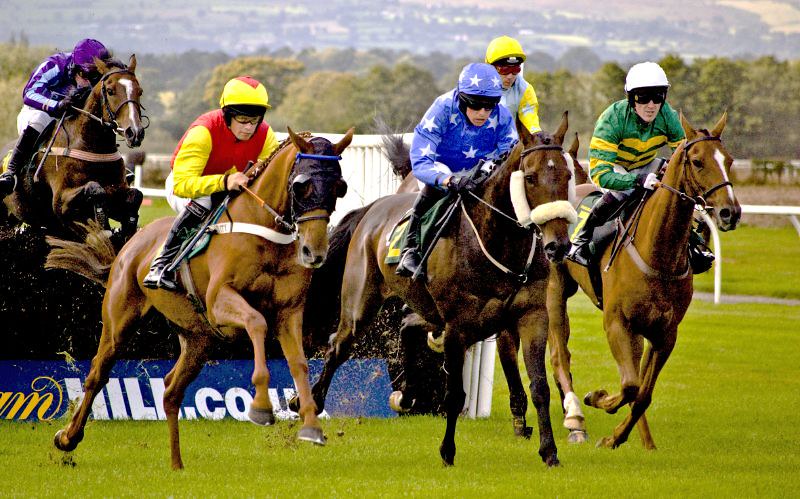

Cheltenham November Meeting: Final Day Preview
The final day at Cheltenham brings a compact card and a clear focus on staying and two-mile handicap contests, with Dysart Enos the headline act for many punters. This preview is for readers aged 18 and over and aims to inform responsible betting decisions rather than encourage wagering as a way to make money.
Race-by-race analysis, odds and staking plans
This expansion complements the existing race comments above and breaks down the key angles for Leader In The Park, Matata, Does He Know, Under Control and Florida Dreams, while adding market, pace and staking guidance. Read this alongside the declarations and the original race notes so you can compare form, trainers and current prices before committing any stake.
1:45 Cheltenham – Leader In The Park assessed
Leader In The Park looks an interesting chaser debut and the case for him rests on his hurdling form, proven soft-ground ability and the suggestion connections have freshened him for this stepping-up in trip and discipline. Given he was declared and then withdrawn at Ascot because of ground two weeks ago, his recent preparation and weight (off 121) make him a credible upside play, but accept added risk backing a novice on chase debut.
How to interpret form lines and recent runs
When judging Leader In The Park, focus on the quality of horses he has finished ahead of, the margin of defeat to known yardsticks and whether those rivals have since franked the form in similar conditions. A single strong piece of form against later winners or consistent performers often outweighs a single poor run when there are explained excuses such as ground or minor physical issues.
Ground, weight and trainer trends to consider
Cheltenham rain and watering have left the track riding on the quicker side of soft, which suits horses with proven form on soft or good-to-soft; Leader In The Park ticks that box and benefits from a positive weight swing with Peaky Boy based on recent ratings. Also factor in Ben Pauling’s comments about his potential and the stable’s record bringing novices to point-to-point form into chases at Cheltenham.
2:20 Cheltenham – Why Matata appeals today
Matata has a strong class and form profile in two-mile handicaps and should appreciate a small-field gallop where he can control the pace, which negates freshness concerns after a recent run. The one-pound weight swing and the fact he races off a mark in line with his best efforts make him a sensible selection to consider for a win stake, provided market support remains sensible and the ground is fair.
Simple staking plan: units, e/w, and bankroll care
Use a unit-based staking approach such as 1–3 units for win plays and smaller fractional units for each-way chances, keeping total exposure under a fixed percentage of your bankroll per day to protect longevity. Never chase losers or increase stakes after a string of defeats; consistent, moderate unit sizing preserves your ability to back longer-term strategies and reduces financial risk.
2:55 Cheltenham – Does He Know each-way case
Does He Know is a classic staying handicap chaser who performs well fresh and has a proven Cheltenham profile, including a previous win in this grade, which supports an each-way proposition at current prices. The rating of 150 and recent reappearance run suggest he is competitively weighted and may be one of the more reliable each-way propositions in a race where stamina and a run under the belt matter more than raw speed.
When is an each-way play appropriate at Cheltenham?
Each-way bets are sensible where the field contains a clear favourite but several proven stayers and proven course specialists who can each make the frame, and where bookmakers offer expanded place terms for bigger fields. Prioritise horses with past form over similar trip/ground and recent reappearance runs that indicate race fitness rather than those returning from lengthy layoffs.
3:30 Cheltenham – Two options: mares and outsiders
Under Control and Florida Dreams present contrasting profiles at 3:30: the mare has class and course form on better ground while the outsider offers a value each-way shot on proven bumper and seasonal form. Under Control’s performances in graded company plus a preference for a nicer surface mean she looks like a solid candidate if the ground stays fair, whereas Florida Dreams is a plausible bigger-priced alternative for those seeking smaller stakes on the forecasted stamina test.
How do trainer and jockey bookings influence selection choices?
Strong trainer-jockey combinations and late declarations often move markets for a reason, so monitor the confirmations on race morning and any last-minute equipment or tactical notes such as first-time cheekpieces or a change to a more prominent ride. When a trainer consistently improves horses from their previous runs or targets Cheltenham specifically, that pattern carries weight in short-priced selections and each-way options alike.
Choosing stakes and managing exposure on the day
Decide pre-race how many units you will risk across the card and set a maximum percentage of your bankroll for the meeting; treat Cheltenham days like discrete events with capped liability rather than opportunities to chase large wins. If you back a handful of selections, consider mixing win-only plays with modest each-way tickets to spread risk while still giving coverage across your best angles.
In-running strategy and watch points for bettors
Many Cheltenham races are won or lost in the closing stages, so watch for early jumping faults, whether a leader is setting too strong a gallop and which horses tend to stay on; in-running hedging should be conservative and only used to reduce losses or lock in small profits when market movement clearly reflects form. Keep an eye on the stewards’ notes post-race and pre-race jockey comments for indicators of intended pace or equipment changes that could shape in-running performance.
Market timing, shopping for odds and offers
Always compare bookmaker odds to find the best price and check for non-backed offers such as enhanced place terms or extra-place promotions, but avoid being influenced by promotional urgency — a small edge in price compounded over many bets matters more than one-off temptation. Use comparison services and pre-match market movement to see where money is going, which can indicate confidence from knowledgeable backers or stable support.
Final checklist before placing a bet at Cheltenham
Before committing any stake, confirm the official going, check for late withdrawals, review jockey rides and allowances, and re-evaluate the market to make sure your perceived edge still exists. Keep bets proportionate, log your stakes and results for future learning, and resist staking beyond your established plan even when a selection “feels” like a preferable play.
FAQs for Cheltenham final day betting guidance
Is betting on Cheltenham suitable for casual punters?
Cheltenham racing suits casual punters who approach it as entertainment and who set small, affordable stakes within a clear budget, with the understanding that losses are possible. Stay within your limits and treat betting as a leisure activity rather than a source of income; if in doubt, sit out and watch the racing instead.
What should my staking plan look like today?
A sensible staking plan uses fixed units, e.g. 1 unit as your standard stake with higher-confidence selections at 2–3 units and speculative each-way punts at a fractional unit level, keeping total stakes below a pre-determined daily cap. This approach preserves bankroll health and prevents emotional decisions after wins or losses.
How do I use form and ground information best?
Prioritise horses whose form lines show suitability for Cheltenham’s undulations and the prevailing going, and look for repeat performers over similar trips and ground; recent runs that show fitness are generally more valuable than long-ago peak efforts. Don’t overweight a single piece of form if there are clear mitigating factors such as errant jumping or unsuitable going.
When is an each-way play appropriate at Cheltenham?
Each-way plays suit races with a clear favourite but several proven place contenders, or where bookmakers extend place terms for the event; choose horses with proven stamina and track compatibility for best value. Use conservative stakes on longer-priced each-way selections to limit downside exposure.
Where can I compare bookmaker odds and offers safely?
Use licensed UK bookmaker comparison tools and well-known, regulated sites to compare odds and available free bet or enhanced-place promotions, ensuring you read terms and stick to offers that match your responsible gambling approach. Remember that offers should be used for added value and not as a reason to increase stakes beyond your plan.
Who to contact if betting causes harm or problems?
If you or someone you know experiences gambling-related harm, contact UK support services such as GamCare or use the National Gambling Helpline, and consider self-exclusion tools and spending limits offered by licensed bookmakers. Responsible play is essential, and help is available for anyone who feels their gambling is out of control.