

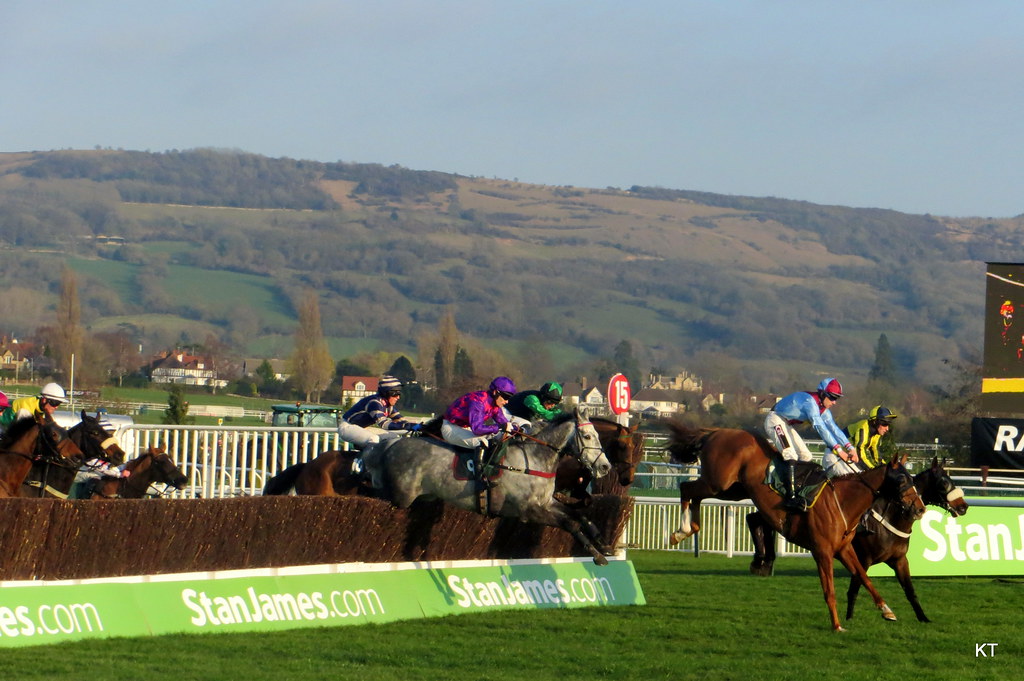

Cheltenham December Gold Cup — Expert Race Guide
This expanded guide complements our day-by-day Cheltenham coverage and offers extra angles for the December Gold Cup meeting. 18+ only; please gamble responsibly and never bet more than you can afford to lose.
Form, Ground and Tactics Ahead of Cheltenham Races
Understanding recent form, official ratings and how the New Course rides are essential to informed race selection. Keep staking disciplined and view each wager as entertainment rather than income.
Analysing Today’s Key Contenders and Betting Angles
Market moves this morning highlighted So Scottish as a live fancy while mid-week support for In Excelsis Deo altered the head of the market. Use each bookmaker’s odds comparison to find the best price and avoid impulse staking driven by short-term sentiment.
Aucunrisque — form profile, suitability and value
Aucunrisque has been campaigned across hurdles and fences and benefits from a dual-discipline handicap approach that leaves a little value in his chasing mark. Connections have placed him where the handicap could be lenient, and his Newbury form gives clear context for today’s performance expectations.
So Scottish — stamina, recent runs and rating fit
So Scottish’s pattern of improvement, a step up in trip and a favourable 141 rating suggest he is well weighted for this test on good ground. A recent run under his belt should sharpen him for race tempo and the New Course’s demands on stamina and rhythm.
Do Your Job and Moon D’Orange — each-way notes
Do Your Job offers an each-way angle because of a strong novice chase form and a mark that could be kinder than recent history implies. Moon D’Orange is an improving five-year-old stepping into graded company for the first time, and cheekpieces may sharpen a horse that has shown a promising late kick.
How Ground Conditions Will Influence Each Race Outcome
Early race times suggested the course may be riding slightly quicker than the official soft going, which is important when assessing horses stepping up from heavy-ground runs. Monitor overnight weather and morning inspections as small changes in cut can swing form lines for front-runners and stayers.
Assessing ground-dependent profiles for key horses
Horses that came through heavy tests may prefer the cut, while those with proven speed on good ground will be favoured if the drying trend continues. Trainers’ recent entries and declared preferences often indicate where a horse performs best, so use that as part of your pre-race checklist.
Handicap Ratings, Recent Form and Trainer Notes Explored
Official ratings provide a starting point but should be combined with context such as weight carried, race pace and quality of opposition. Trainers’ placement strategies and recovery from recent runs are often decisive in mid-winter handicaps where fitness and timing matter.
Interpreting recent heavy-ground runs versus good ground outings
When a horse improves on a switch from heavy to good ground, it usually implies that stamina was previously overstretched or that hoof action suits firmer turf. Conversely, horses proven on testing ground retain an edge if the rain arrives and cut deepens.
Race Tactics, Pace Maps and How They Shape Outcomes
Map probable pace scenarios to see which runners will be positioned to take advantage of a strong tempo or a sprint finish. Horses that relish being handier may struggle if the race develops into a stamina test, so align tactical reads with each horse’s profile.
Identifying likely front-runners and stayers in the card
Front-runners can gain a major edge on a drying New Course if they can control tempo, whereas closers benefit from honest gallops that set up dramatic late finishes. Watch entries and jockey bookings for clues on intended tactics and pace expectations.
Each Selection’s Strengths, Weaknesses and Forecasts
Presenting strengths and caveats helps build a transparent view of value rather than chasing headline odds. For every selection, match form lines against current conditions and consider a saver or each-way stake if there are lingering questions about readiness.
Strengths and caveats for Aucunrisque’s chances today
Strengths: dual-discipline form, proven ability over stamina-testing trips and a recent mark reduction that could be decisive. Caveats: the switch between hurdles and fences can occasionally leave a horse short of a pace race sharpness.
Strengths and caveats for So Scottish’s profile today
Strengths: clear recent improvement, favourable trip and a rating that looks workable on good ground. Caveats: inconsistency at the highest level and a small sample on drying New Course conditions mean a cautious each-way option may appeal to some punters.
Strengths and caveats for Do Your Job and Moon D’Orange today
Strengths: proven novice chase form (Do Your Job) and progressive profile with tactical improvement (Moon D’Orange). Caveats: both carry question marks regarding current form and experience in graded fields, so limit exposure to meeting-day percentages.
Market Strategy, Stakes and Responsible Bankroll Advice
Decide stakes before viewing prices and use small, consistent percentages of a pre-set betting bank to manage risk throughout the meeting. Never chase losses and remember that odds reflect probabilities, not certainties.
Using odds comparison and value hunting responsibly
Shopping around for the best odds can add value over time, but keep decisions unemotional and systematic. Consider each-way permutations where there is an identifiable pace and finishing pattern that supports place claims.
Trainer Form, Jockey Booking and Betting Implications
Trainer statistics for the meeting and specific course/trip records can be reliable indicators of form, and top jockey bookings often alter the expected dynamics of a race. Factor in trainer patterns and jockey-trainer combinations when weighing final selections.
How trainer and jockey choices impact race chances
A top jockey taking a mount from a stable in form can signal a genuine chance, particularly in tight handicaps where race-riding decisions decide margins. Conversely, less experienced riders may be given a run for fitness rather than full winning rides, which affects market interpretation.
Why Each-Way Alternatives Matter in Competitive Handicaps
Where a small number of horses dominate the betting, an each-way alternative hedges the downside and allows for returns if a favourite deflates late. Choose each-way horses with tactical versatility and recent evidence of finishing power.
Picking credible each-way chances without over-stretching stakes
Prioritise horses with proven place form at similar trips and courses, and back them with conservative stakes within a broader staking plan. Avoid spreading stakes too thinly across many longshots; focus on a short list of evidence-based alternatives.
Post-Race Learning: How to Improve Future Cheltenham Reads
After the meeting, review how ground evolved, how pace maps materialised and which form lines emerged strongest. Use that information to refine future models and to identify trainers or jockeys who consistently target favourable spots.
If you choose to follow bookmaker offers, you can explore current bookmaker comparisons and free bets through our tools for new customers. You can also browse our casino bonus page to see the latest welcome offers from our affiliated casino partners.
Frequently Asked Questions About Cheltenham Betting
Is betting on Cheltenham suitable for casual punters and viewers?
Yes, casual punters can enjoy Cheltenham responsibly by treating bets as entertainment and using small, predefined stakes. Always remember the event is unpredictable and never bet more than you can afford to lose.
How should I interpret official ratings for December handicaps?
Official ratings are a useful baseline but must be read alongside form, track conditions and recent weight changes. Ratings do not guarantee outcomes; they are a guide to relative ability at a glance.
What role does the New Course’s going play in selection decisions?
The New Course’s going influences stamina and grip; horses proven on similar ground have an advantage if conditions remain as described. Check morning reports and be ready to adjust selections if the going changes.
When is an each-way bet preferable at Cheltenham?
Each-way bets are sensible where a race appears competitive and a number of runners have credible place chances. Choose horses with consistent finishing form and avoid speculative wide-field punts without evidence.
How can I compare bookmaker odds safely and efficiently?
Use price comparison tools and open accounts with multiple reputable bookmakers to secure the best odds and terms. Prioritise licensed UK operators and avoid chasing marginal price differences that lead to impulse bets.
What are good bankroll rules for a race day meeting?
Set aside a specific betting bank for the meeting and allocate a fixed percentage per bet, typically 1–5% depending on risk appetite. Stick to the plan and never top up after losses in the hope of recovery.
Where can I find responsible gambling support if needed?
If gambling is causing harm, seek help from UK support services such as GamSTOP, GamCare or your local helplines and support networks. Self-exclusion and deposit limits are practical tools to manage play.
Are promos and free bets worth using for Cheltenham betting?
Promotions can add value if used sensibly and only as part of a disciplined staking plan, paying attention to terms and conditions. Avoid betting beyond your normal limits just to unlock offers.