

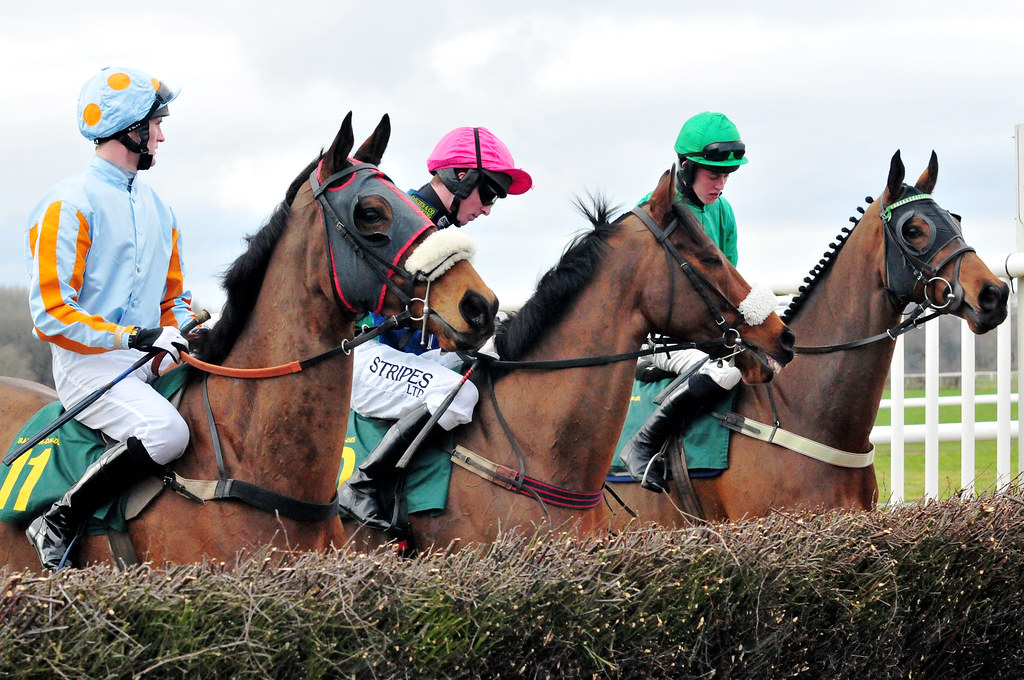

Aintree Grand Sefton Day: Racecard Insight and Tips
This supplemental guide expands on the race commentary already on the page and offers structured pointers for readers analysing Grand Sefton Day and Wincanton races. It is written for a UK audience interested in form, trainer trends and sensible betting approaches for those aged 18 and over.
Form, Trainers and Conditions: What to Consider
When assessing each race, place primary weight on recent form, the quality of rivals, and how horses have performed on comparable ground and distances, as these factors often explain movement in the market. Consider also trainer targets and jockey bookings, since a change of stable or rider can indicate a step-up in campaign focus rather than merely a short-term fluctuation.
Key Races Explained: Why These Selections Matter
Selections such as Beau Balko and Willaston hinge on a blend of solid novice form and proven ability at the trip; readers should review how those form lines stack up against known benchmarks like Grade performances or recent winners of listed handicaps. Understanding why a horse is entered — whether as a targeted engagement, a stamina test or a fitness run — helps to separate genuine chances from speculative entries.
Ground and Distance: How Conditions Influence Runners
Ground is a major read-across variable; horses with clean jumping and strong finishing speed will often handle better ground more effectively than those who rely on soft conditions to stay upright. Distance changes can reveal improvement potential or expose stamina shortcomings, so check recent trips and any notable shifts in schooling or breezing work reported by yards.
Horse Profiles: What Form Lines Tell Us Today
Beau Balko’s novice hurdle form and Kempton third are useful because they show he can handle different surfaces and has shown tangible progression in graded company, which matters when stepping back into a small-field chase. Willaston’s repeat wins over similar rivals and his return to trip indicate a pattern of improvement that can be read against the weights carried by his main rivals.
Reading Handicaps: Marks, Rises and Potential
Marks are an assessment of historic performance but do not always capture recent improvement, so look for headgear changes, rider claims and first-time partnerships that might deliver a horse to better form than its official rating suggests. Conversely, be wary of horses severely penalised for recent wins as the handicapper’s rise can make life much harder in big-field or higher-grade handicaps.
Trainer and Jockey Angles to Watch at Aintree
Paul Nicholls and Neil Mulholland show consistent targeting patterns; Nicholls often places younger chasers into progressive spots while Mulholland tends to target specific races with fit older performers, so assess each yard’s campaign history when judging each runner’s chance. Jockey commitments also matter, as stable first-choice riders or in-form pilots carrying confidence can make a material difference in close finishes and when marginal pace decisions are needed.
Responsible Betting: Limits, Support and Advice
Betting should be for entertainment by adults aged 18 and over and never seen as a way to solve financial problems; set stakes you can afford to lose and use loss limits or time-outs where offered by bookmakers. If gambling causes you concern, seek support from recognised services such as GamCare and BeGambleAware and consider using betting tools that restrict stakes and access.
Betting Strategy: Stakes, Each-Way and Value
Each-way options are appropriate in open handicaps and big-field chases where bookmakers pay extra places; an each-way approach reduces variance but requires smaller win stakes to manage the bank. For win-only selections, consider a flat staking plan or graded staking to protect a betting bank, and never chase losses with increasing stakes.
Market Timing and Where to Find Value
Value is a relative concept and often appears either early, when markets have not adjusted to late positive information, or late, when support shifts after stable insights reach punters; monitor both morning-line odds and live market movement to spot these opportunities. Use price-comparison tools to secure the best available odds and remember that slight price differences compound over a season, improving long-term returns without increasing risk.
Race-by-Race Quick Notes for Today’s Cards
Wincanton’s small-field chases demand close attention to jumping fluency and race fitness, while Aintree’s unique fences in the Grand Sefton call for horses with experience over similar obstacles or proven adaptability to new challenges. For each card, prioritise runners with clear preparation and recent solid finishes rather than speculative claims solely based on long-term potential.
How to Use Our Comparison Tools Effectively
Our bookmaker comparison pages let you align the best odds and promotional terms before placing a bet, which reduces friction and gives a clearer picture of potential returns across operators. Always read offer T&Cs and remember that affiliate links may be used on the site to help maintain editorial content, with no impact on your choice or price comparison.
Case Studies: Applying Form Theory to Selections
Looking at Authorized Art as an example, his previous runs in heavy-weight handicaps and punchy performances in graded company suggest he can get competitive in a Grand Sefton-type event despite a high mark; this is a case where weight, course suitability and recent fitness all need synthesis. Lord Accord’s repeated good efforts at similar tracks and his recent winning form off lower marks demonstrate how age, race rhythm and targeted entries combine to inform a stronger racecase.
Common Mistakes to Avoid on Busy Meeting Days
A frequent error is overemphasising novelty: first-time combinations, yard transfers or headgear on debut should be weighted but not assumed decisive without corroborating evidence. Avoid staking too heavily across multiple brief windows of entertainment on the same day, as this fragments attention and increases emotional reactions to losing bets.
Practical Checklist Before You Place a Bet
Before committing funds, check the going, verify any late non-runners and note jockey and weight declarations; these are often published close to race time and can materially alter a horse’s chance. Confirm the best odds available using comparison tools and decide whether an each-way or win-only approach fits your staking plan and risk appetite.
Using Stats and Trends Without Overfitting
Trends such as trainer strike rates, course form and age profiles are valuable when used to narrow a long list, but avoid overfitting by relying on too many niche statistics that may not replicate across different race contexts. Combine trend analysis with a clear reading of current form and conditions to form a robust view rather than a brittle one based on a handful of coincidences.
Remember, gambling is for adults aged 18 and over and should be approached responsibly; for help and advice visit BeGambleAware or GamCare if needed. You can explore current bookmaker offers through our comparison tools if you choose to bet responsibly: https://bestofbets.com/free-bets.
For casino players seeking bonus information on a range of operators, please see our casino bonus page for details on welcome offers and terms: https://bestofbets.com/casino-bonus.
Frequently Asked Questions About Today’s Races and Betting
Is the guidance here suitable for new bettors?
Yes, this content is informational and aims to help newcomers understand form and strategy, but it is not betting advice or a guarantee of success; only adults aged 18+ should bet. Start with small stakes and use bookmaker protections like deposit limits while you learn.
How should I interpret a horse’s official rating?
Official ratings summarise past performance but do not capture recent improvement or changes in training; treat them as a reference point rather than an absolute. Combine ratings with recent form, ground suitability and trainer intent to form a rounded view.
When is each-way betting preferable?
Each-way bets work well in large fields or open handicaps where bookmakers pay multiple places, as they lower variance compared with win-only punts. Use each-way selectively and ensure your stake is proportionate to your overall bankroll.
How important are trainer targets and jockey bookings?
Very important; a targeted race or a stable’s planned campaign often signals genuine chance, while a change of jockey can indicate confidence or a tactical shift. Always factor in these non-form clues when assessing value.
What should I check on the day before placing a bet?
Verify the going, final declarations, any late shifts in weather and odds movement across bookmakers to confirm your view remains valid. Reassess your stake size if new information materially changes a selection’s chance.
Are the bookmakers listed independent and how should I use them?
Our comparison pages list reputable UK bookmakers and the offers they provide; use these tools to compare odds and terms but read full T&Cs before accepting any promotion. Links may be affiliate in nature, which supports editorial content without affecting available prices.
Where can I get help if gambling becomes a problem?
If gambling is causing you distress, seek help from UK services such as GamCare or BeGambleAware and consider self-exclusion tools and deposit limits with operators. Gambling should be for adults aged 18+ and never a way to solve financial issues.
How can I follow updates during race meetings?
Follow official racecards, stable social updates and live markets for late information that can influence chances, and cross-check bookmakers for price shifts. Use trusted channels and avoid unverified tips or sensational claims about certain outcomes.