

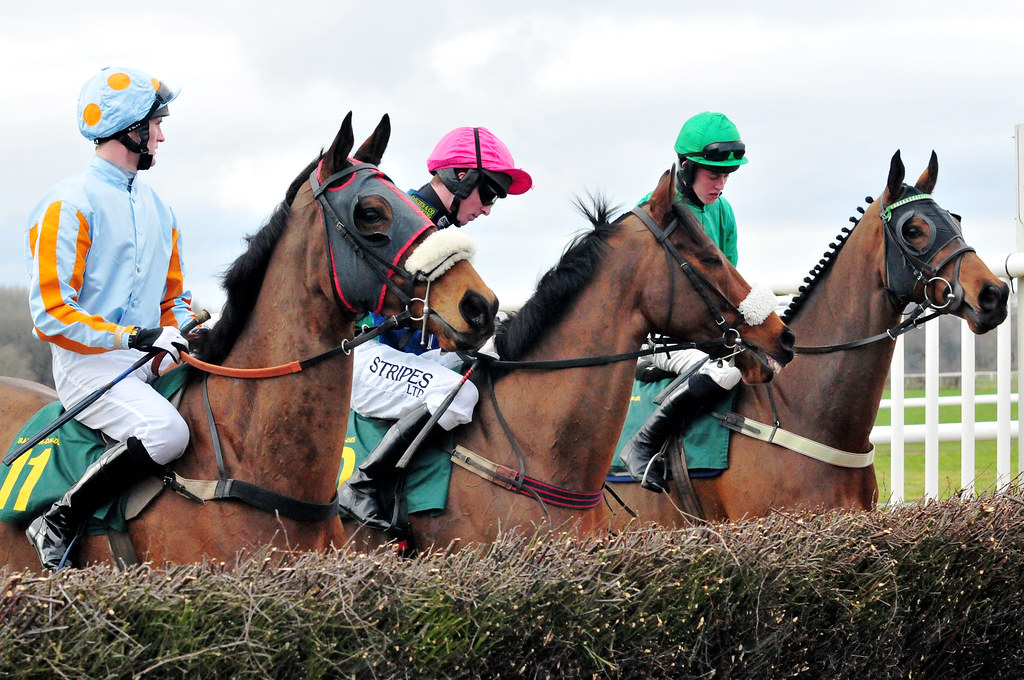

Aintree Grand National Day One Betting Guide
This supplementary guide complements our day one fancies for the Aintree Grand National meeting and is written for UK readers aged 18+.
Please gamble responsibly and only bet what you can afford to lose; this is editorial information, not financial advice.
How heavy ground will shape the card at Aintree
Persistent rain in Liverpool means heavy or very testing ground is a major factor for every race on day one, so consider stamina and proven wet-ground form when assessing chances.
Heavy going often exaggerates class gaps while exposing stamina weaknesses, and trainers’ known preferences for soft or heavy tracks should influence selection and stake sizing.
Race-by-race tactical notes for day one runners
When reading the race card, note which horses prefer to race prominently versus those who are strong closers, as heavy ground can make front-runners vulnerable late on and closers more potent.
For the selections already listed on the page, focus on their Cheltenham form lines, recent jumping efficiency and any equipment changes that might affect performance on testing ground.
Form patterns and trainers to watch across the card
Dan Skelton, Paul Nicholls and Jamie Snowden are highlighted in the original selections, so study each stable’s recent winners on soft or heavy surfaces for short-term form context.
Trainer targets with a clear programme aimed at Aintree often bring fit, well-handled horses; check for recent schooling reports and declared jockey bookings as part of your process.
Stamina, pace and jumping considerations for heavy ground
On heavy going, races often become stamina tests where reliable jumping and the ability to sustain momentum are decisive, so prioritise proven stayers and strong jumpers in your matchups.
Shorter-chasing types or horses with brittle jumping records may struggle to cope with the surface and accumulated fatigue, which should lower their appeal in single stakes markets.
Value betting and staking for a busy Aintree meeting
With a large card, selective staking helps protect a bankroll; avoid over-exposure by sizing bets according to confidence, volatility and each market’s liquidity.
Each selection on the page shows different stake approaches (win versus each-way), and matching these to your own staking plan keeps risk proportional across races.
How to use bookmaker offers responsibly when betting
Bookmaker offers can add value but treat them as optional tools rather than incentives to increase stake size, and always read the terms and rollover conditions before using promotions.
We list bookmaker comparisons to help you find the clearest, most relevant offers, but any decision to use a promotion should be measured and consistent with responsible gambling principles.
Grey Dawning tactical points and race outlook
Grey Dawning’s Cheltenham form and improved jumping make him an appealing prospect on heavy ground where technical jumping is at a premium, but factor in pace and race shape as well.
When backing such a horse, consider whether a win-only or conservative stake is appropriate given any doubts about recovery from recent exertions and the nature of the Aintree fences.
Gerri Colombe: Gold Cup form versus Aintree test
Gerri Colombe showed top-level ability in the Gold Cup and his proven class makes him a strong candidate, though Aintree’s demands and a quick return to action merit cautious sizing.
Assess how the race might be run and whether any potential heavy-ground specialists in the field could set a pace or stamina test that alters the expected finishing order.
Annamix and the Foxhunters’ stamina puzzle
Annamix’s recent form over extended distances and his proven ability to handle deep ground move him up the list for the Foxhunters’, but age and race tempo remain considerations.
In hunter chases, fitness, course familiarity and an experienced amateur pilot can make the difference, so factor Patrick Mullins’ booking and recent schooling into any stakes decision.
Sans Bruit profile: French form and chase potential
Sans Bruit’s French form on testing ground and the step-up in class to UK chasing levels should be balanced against his mark and any residual inexperience over fences in Britain.
Lenient handicap marks for unexposed chasers can offer value, but weigh that against the race’s projected pace and the presence of proven heavy-ground front-runners.
La Marquise: young mare stepping into graded company
La Marquise’s progression and weight allowances make her an interesting each-way prospect in a Grade 2 test, yet four-year-old inexperience at this level and heavy ground are factors to monitor.
When considering such a horse, check the jockey’s plan, draw bias if relevant and whether the run style suits a testing 2m+ contest on soft or heavy turf.
Assessing horses’ previous heavy-ground form and tests
Look for direct form on soft or heavy over similar trip lengths and note whether good performances came on turning or galloping tracks, as course shape affects how heavy ground plays out.
When past runs on heavy are scarce, rely more on pedigree indications and stable comments about schooling on testing surfaces, but remain conservative about confidence levels.
Key statistics: course records, draw and small-field effects
Aintree quirks such as certain fences favouring particular racing lines and the effect of small fields on pace can influence outcomes, so consult course form guides and recent renewals for patterns.
Use head-to-head and in-run profiling to identify which horses are likely to gain a tactical edge and adjust stakes where statistical angles materially improve value.
Practical staking plans and bankroll protection advice
Decide a session bankroll for day one and commit to percentage-based stakes to avoid chasing losses; each-way bets should have predetermined fractions for place returns.
Keep a written record of bets and outcomes to refine your model across the meeting, and never stake more than you can afford to lose as part of safe gambling practice.
Weather, forecast and betting timing considerations
Weather forecasts can change quickly, so check updated going reports and any overnight watering or drainage reports before placing late bets or using in-play markets.
If significant rain is expected to continue, that should increase the weight you place on heavy-ground form and may create market movements to exploit for value-minded punters.
How to interpret weights and age allowances in races
Weights, penalties and age allowances can be decisive on heavy ground where carrying extra pounds compounds fatigue, so examine the weight spread carefully in handicaps and graded races.
Young horses receiving allowances may still struggle if the ground is extremely testing, so use allowances as one factor among many rather than the sole reason to back a selection.
Where to find sensible bookmaker offers and comparisons
Use independent comparison tools to find clear, relevant bookmaker offers that match your bet type and avoid signing up for deals that require excessive wagering or complex restrictions.
We provide a comparison of offers to help you make informed choices, but any use of a promotion should be aligned with your pre-set staking strategy and bankroll limits.
Using in-running markets and settling on last-minute selections
In-running markets can provide corrective opportunities when heavy ground produces unexpected leaders or when a favoured horse looks to have handled the going better than anticipated.
Prioritise liquidity and low-latency execution if you trade in-play, and avoid impulsive increases in stake size simply because the market appears to be moving in your favour.
Post-race follow-up: learning and sharpening future wagers
After each race, review how heavy ground changed race shape and whether any horses handled the conditions better than the market predicted, then incorporate those lessons for the rest of the meeting.
Maintaining a concise post-race log helps spot trainer patterns, jockey inclinations and horses who improve or regress on testing going, improving long-term selection quality.
Final checklist before placing day one bets at Aintree
Confirm official going, jockey declarations, non-runners and any equipment changes before committing to stakes, and adjust each-way ratios if market depth is shallow.
Remember that all betting carries risk; remain within your personal limits and seek help if gambling causes harm to you or someone you know.
Frequently asked questions about betting on Aintree day one
Is heavy ground a major factor for Aintree outcomes?
Yes, heavy ground can transform race dynamics by demanding extra stamina and increasing emphasis on safe jumping, so it should be central to your analysis.
How should I size stakes when the going is testing?
Use a conservative staking plan such as fixed percentage stakes and reduce size if uncertainty about the ground or a horse’s form is high.
Can trainer form on heavy ground be relied upon?
Trainer patterns on heavy ground provide useful signals but should be combined with individual horse form and current fitness indicators for best effect.
Are each-way bets better than win-only on day one?
Each-way bets can offer value in open handicaps or when backing horses with solid place prospects, while win-only stakes suit shorter-priced strong favourites.
Should I use bookmaker promotions at Aintree?
Bookmaker promotions can add value if terms are clear, but treat them as optional tools and never increase stakes beyond your bankroll because of an offer.
Where can I get help with problem gambling in the UK?
If gambling is causing distress, contact organisations such as GamCare or use GamStop to self-exclude; the meeting’s entertainment value should never override wellbeing.
You can explore our recommended bookmaker free bet offers and comparisons on our free bets page to find current sign-up incentives for new customers: https://bestofbets.com/free-bets.
For players also interested in casino bonuses, our dedicated page lists current partnered casino bonus offers for new customers: https://bestofbets.com/casino-bonus.