

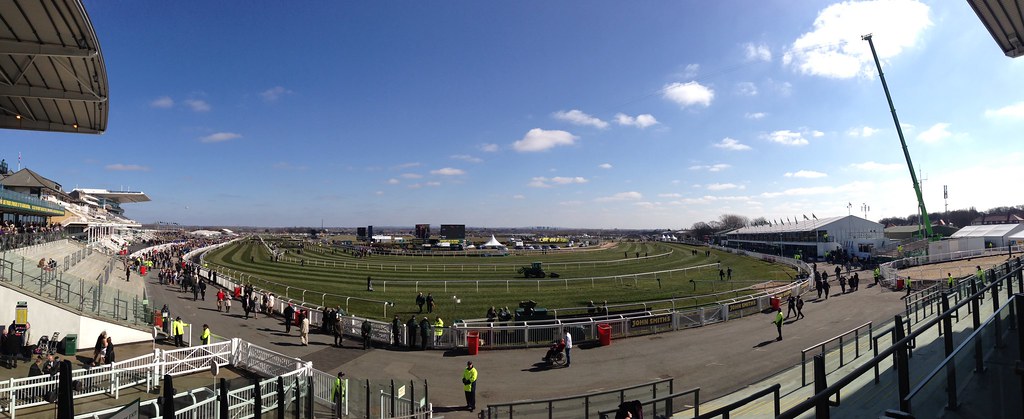
Aintree and Spring Festivals: Daily Grade One Analysis
The spring jump festivals continue to offer strong racing and tactical puzzles for punters and followers of National Hunt racing. This expansion complements our earlier selections by giving context on form, ground and value without changing the original tips above.
How heavy ground and form affect chances
Heavy ground changes race dynamics and often favours stayers and robust jumpers who handle stamina tests better than pure speed. We explain how recent runs, weight adjustments and trainer patterns interact with the likely testing conditions at Aintree.
Why Shishkin remains a strong contender despite fall
Shishkin’s fall at Cheltenham was disappointing but falls can be anomalous and do not necessarily remove class from a proven Grade One performer. His proven ability over fences, plus a favourable trip and a track he has previously won on, keeps him high on form-based merit.
When assessing a bounce-back chance look for clear schooling, a progressive schooling report and trainer comments indicating the horse has returned in good order. Aintree’s unique fences and the expected heavy ground will further separate horses that handle stamina tests from those reliant on a faster surface.
Corbetts Cross: step up after Brown Advisory win
Corbetts Cross arrives with upward-trending form after the Brown Advisory and has shown he handles heavy ground and a step up in class. Young, improving novice chasers often relish a chance to race among established performers when conditions play to their strengths.
Trainers bringing a lightly-raced chaser to an Aintree Grade One are usually looking for evidence of progression rather than exploitation of weak opposition. Assess whether the horse has experience of a similar stamina test and consider the rider’s ability to manage a big-field, testing trip.
Colonel Harry and Grey Dawning thrive on heavy ground
Colonel Harry and Grey Dawning have form on heavy ground and are types who can run on when others struggle, which makes them each-way propositions in open fields. Their recent runs in staying novice contests suggest they will appreciate stamina tests and soft underfoot conditions.
Each-way strategies can be valuable where favourites have shown vulnerabilities on testing ground and where historical trends show no runaway winning favourite. Punters should check each-way terms and bookmaker coverage to ensure value on extended places.
Assessing weight, fitness and quick turnarounds
Quick turnarounds can be a positive when a horse has recovered well and maintains peak fitness, but they can also expose a fragile constitution. Look for trainer comment, official declarations and the horse’s typical recovery pattern before treating a short-interval runner as a true contender.
Why jockeys and trainers matter in Aintree races
Experienced jockeys who judge heavy ground and big fences are worth noting, as are trainers with a record of readying horses for festival-style targets. Small margins in riding tactics and race placement are magnified in testing conditions and at top-level meetings.
How to read odds and each-way value responsibly
Odds reflect market opinion and perceived probability but should be weighed against form, conditions and alternative book prices to find value. Each-way bets spread risk over place terms, but bettors should calculate stakes and potential returns before committing to multiple selections.
Handicap pointers: Sans Bruit and Irish Blaze cases
Handicaps on heavy ground can produce surprises as official ratings are challenged by unusual conditions, but it is vital to focus on horses with proven heavy-ground form. Sans Bruit’s French heavy-ground win and Irish Blaze’s recent form suggest they are each worth investigating in the Red Rum Handicap.
A sensible handicap approach looks at weight-carried, recent course form and whether the horse has shown durable finishing effort rather than relying solely on headline ratings. In open handicaps, small tactical advantages or a kinder weight can be decisive over a stamina-sapping trip.
Selections explained and how they relate to race structure
Selections across the card reflect a balance between class, ground ability and the trainer/jockey combination rather than speculative market chasing. For Grade One contests, class and proven Grade One form will generally be prioritised, while in handicaps, adaptability and weight play bigger roles.
Review how each selection fits into the race’s shape: front-runners may be exposed on heavy ground, while well-positioned stayers that can travel powerfully often gain the upper hand. Cross-check selections with official declarations and late-scratch updates before finalising any personal wagers.
Betting tools and bookmaker comparisons explained
Using comparison tools helps identify which bookmakers are offering best odds, competitive each-way terms and transparent return policies on bets. Always compare free-bets and promotions carefully, taking note of T&Cs, qualifying bets and expiry windows when assessing the true value of an offer.
Practical race-day checklist for Aintree bettors
Before race day confirm non-runner rules, each-way place terms and whether forecast or tricast markets are open with sensible liquidity. Check late rain or drying conditions, the official going update and any declarations that affect likely pace and finishing strength.
Also monitor stall draws where applicable, rider bookings and any veterinary or stable comments that appear in the final declarations; these small details often influence tactical decisions in heavy, testing contests. Update your view closer to post time rather than relying solely on early morning impressions.
Responsible betting and important age restrictions
Betting should be for entertainment by adults only; all gambling is 18+ and must be conducted responsibly at all times. If you choose to bet, set limits, stake only what you can afford to lose and use the self-exclusion or deposit-limit tools provided by licensed bookmakers.
If gambling stops being fun get help from reputable sources such as GamCare or the National Gambling Helpline, and avoid chasing losses or viewing betting as a way to solve financial problems. Our coverage is informational and never guarantees outcomes or profits.
How to interpret festival trends without overtrading
Festival trends provide useful context but should be combined with current form and ground-specific evidence rather than used in isolation. Be wary of overtrading based on headlines; selective staking and clear bankroll management support more sustainable engagement with the sport.
Where possible model stakes according to confidence levels and avoid staking systems that materially risk personal finances. Remember that big meeting excitement can encourage impulsive bets; pause and reassess if you feel compelled to increase stakes beyond your plan.
Preparing an each-way shortlist for mixed-distance cards
Each-way shortlists work best when balanced across races and aligned to realistic place coverage given the field size and bookmaker terms. In mixed-distance cards like Aintree’s, favour horses with prior place form on similar ground and those that travel kindly over testing trips.
Combining a couple of each-way bets with a smaller number of confident win-only selections reduces exposure while still allowing participation across the card. Keep records of selections and outcomes to refine future shortlists and identify patterns that work for your approach.
Summary: clear-headed approaches to festival wagering
Festival racing rewards careful study of form, ground, trainer intent and market movement rather than impulsive reactions to popularity or media hype. Use bookmaker comparisons, check each-way terms and manage stakes responsibly to make the most of Grade One opportunities at Aintree.
Always remember gambling is 18+ only and should be carried out responsibly; if you are unsure about your behaviour seek independent help. You can explore current bookmaker offers through our comparison tools if you choose to bet responsibly.
Compare today’s recommended bookmakers and free bets on our free bets page to see current offers and terms. You can also review casino bonus promotions on our casino bonus page.
Common questions on Aintree tips and betting safety
Q: How important is heavy ground in Aintree form? Heavy ground is very influential and tends to favour horses with proven stamina and previous form on soft or heavy going, so always weigh that evidence before backing a selection. (18+)
Q: Are each-way bets useful at festival meetings? Each-way bets can be valuable where there is no clear dominant favourite and where bookmakers offer extended place terms, but you should check terms and stake size carefully. (18+)
Q: Should I back lightly-raced novices in Grade One races? Lightly-raced novices can be competitive if they have shown class and handle the ground, but they are inherently less predictable than seasoned Grade One performers. (18+)
Q: How do I assess shortlist value without overtrading? Compare odds across bookmakers, consider likely race shape and avoid increasing stakes beyond your planned limits based on emotion or short-term results. (18+)
Q: Where can I find safe bookmaker comparisons? Use licensed UK bookmakers and comparison tools that display T&Cs, non-runner rules and each-way place coverage to make informed choices rather than relying on bonus headlines. (18+)
Q: What responsible gambling steps should I take today? Set deposit and loss limits, use time-outs or self-exclusion if needed, and contact support services such as GamCare if betting stops being enjoyable or becomes a problem. (18+)
Q: Do trainer comments before the race change the view on a horse? Trainer comments can be informative, especially about fitness or ground preference, but treat them as one factor among many and verify with race-day declarations. (18+)
Q: Can promotions or free bets change the value of a wager? Free bets and promotions can improve value but always read the qualifying conditions and expiry rules to understand the real benefit before placing a bet. (18+)