

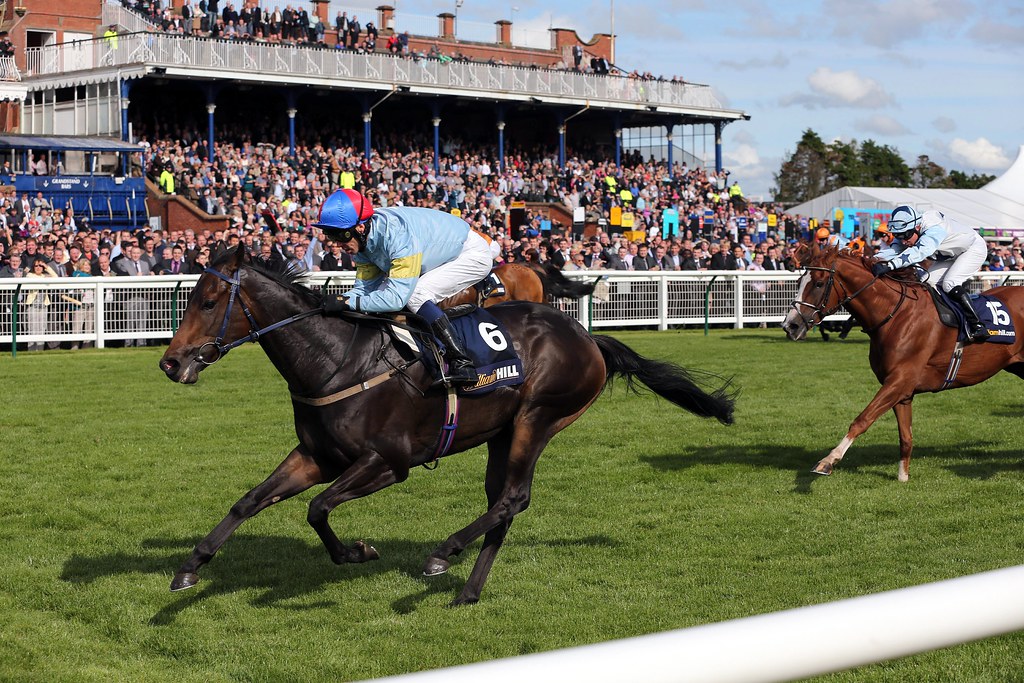

Royal Ascot Day 3 Picks, Analysis and Betting Guide
This expanded guide complements the Day 3 tips and contextualises selections for Ascot’s midweek card with practical insights for bettors. It is written for readers aged 18+ and encourages responsible gambling at every stage.
Form, Trainers and Track Trends to Consider
Royal Ascot often rewards well-handicapped, race-fit horses and those with proven form on good to firm ground, so consider recent runs and pedigree when assessing each runner. Market moves, stall draw and trainer form are useful pointers — but they do not guarantee outcomes and should be used alongside sensible staking.
Why Cogitate’s Draw and Form Matter Today
Cogitate’s promising debut at Newbury, where he beat a useful rival, suggests latent ability over seven furlongs that could translate to this six-furlong affair depending on race shape. The inside draw makes pace tracking harder but Hollie Doyle’s return to the saddle and Charlie Hills’ readiness to run indicate connections are confident enough to take a chance.
How to interpret Ascot draw and pace bias
Ascot’s straight course can favour horses drawn low if there is early speed that secures the rail, but a free-running horse on the outside can also win when the tempo collapses. When assessing draw, combine it with likely pace, jockey style and a horse’s preferred racing lane rather than using it in isolation.
How Al Musmak’s Juvenile Form Translates Now
Al Musmak’s two‑year-old form contains several notable names who have improved and won at Group level, which lends credibility to his upside now stepping back to ten furlongs under better conditions. Any issue in the Dante was explained by a blood test, so the seasonal run should be treated as a one-off unless future reports say otherwise.
Checking form: what to look for in trials
When evaluating juvenile form, prioritise beaten margins, the subsequent progress of opponents and how the race was run rather than headline finishing positions. Trainers who target specific Royal Ascot spots often produce targeted prep runs, so note comments and patterns across the stable.
Buckingham Palace Stakes: Alzahir and The X O Explained
Alzahir’s switch of trainer and progressive runs for the new yard suggest he is on an upward curve while The X O brings a high-class juvenile pedigree and a run that hinted at an affinity for straight tracks. Both carry each-way appeal where bookmakers offer generous place terms, and their marks leave room for improvement.
How stall position and race shape influence handicaps
In a big-field handicap like the Buckingham Palace Stakes, middle draws can work if the jockey secures cover, while wide draws are less penal if the horse is drawn to finish strongly on the outside. Watch ante-post and in-play market shifts for clues about intended tactics and any late gelding or equipment changes.
Suggested Each‑Way Stakes, Bankroll and Strategy
Given the nature of Royal Ascot handicaps and the value in the markets, a conservative each‑way approach protects the bankroll while allowing exposure to longer-priced prospects. Use a fixed percentage staking plan per day and avoid chasing losses; reassess after each race with an eye on bookmaker place terms and market liquidity.
Responsible betting reminders and age limits
This site is for readers aged 18+. Betting should be for entertainment and never a way to solve financial problems, and players should set limits and seek help if gambling causes harm. If you choose to bet, explore bookmaker comparisons responsibly and consider offers only as part of an informed strategy.
How to Use Market Moves and Jockey Bookings
Late money and notable jockey changes are useful indicators of confidence from connections, but markets can over-react to sentiment, so combine this information with form and trainer metrics. Jockeys with Ascot experience and a track record on similar types of horses are worth extra consideration, especially in close handicaps.
Interpreting Pedigree and Distance Changes
Horses stepping up in trip, such as Al Musmak to ten furlongs, should be assessed on dam lines and ancestors’ stamina to estimate stamina reserves on faster ground. Conversely, horses dropping back in trip may benefit if they have shown tactical speed, but watch how they settle in race conditions that favour hold-up or prominence tactics.
When to Back Each‑Way versus Win Only
Each‑way bets can be the sensible choice at Royal Ascot when a horse is well-handicapped or returning from a little time off with a credible profile, because the place terms at many bookmakers reduce variance. Opt for win-only on horses with strong, consistent recent form and a high probability of staying the trip under current conditions.
Managing Expectations and Avoiding Common Errors
Successful punting at Ascot is about long-term process rather than single-day heroics; small consistent profits or entertainment value from well-researched bets are preferable to reckless staking. Do not be swayed by headline prices alone and avoid staking more than you can afford to lose.
Practical Notes on Each Selection and Race Day Variables
Monitor the official going report and any late veterinary or trainer updates on race day, as a change from good to firm or sudden rain can materially affect chances, especially for horses with soft-ground form only. Also consider whether the jockey is likely to claim weight allowances or if there are anticipated tactical battles that could compromise front-runners.
How to Use Our Bookmaker Comparison Tools Carefully
You can explore bookmaker comparisons to find competitive each‑way terms and eligible free bet deals, but remember to read full terms and conditions and consider the suitability of an offer for your personal betting approach. The comparison tool is informational and should not be taken as encouragement to bet beyond your limits.
Final Practical Checklist Before Placing a Bet
Confirm the official going, check the starting stalls and last-minute declarations, assess the likely pace scenario and review any jockey/trainer updates before committing funds. Ensure stakes align with a pre-defined bankroll plan and never increase stakes to chase losses or to capitalise on perceived “guaranteed” outcomes.
For readers wanting to compare markets and current bookmaker promotions you can explore our recommended free bets and sign-up offers on our bookmaker comparison page: BestOfBets free bets and bookmaker offers. For those interested in casino promotions we list current affiliate casino bonus offers on our dedicated page: BestOfBets casino bonus offers.
Frequently Asked Questions
Do I need to be 18+ to use betting tips and services?
Yes, all readers must be aged 18 or over to use betting services and follow gambling-related content. If gambling causes you harm, seek support from recognised charities or your local gambling help services.
How should I size each‑way stakes at Royal Ascot?
Use a fixed percent of your daily bankroll for each bet and reduce stakes for speculative each‑way punts; typical guidance is 1–3% per selection depending on risk appetite. Avoid increasing stakes to chase losses and reassess after each race.
What place terms should I look for when betting each‑way?
Look for bookmakers offering at least 1/4 odds for 4 places in large fields or enhanced terms for prestigious races, and compare across firms before betting. Remember that place terms vary and affect value, so choose offers that match your strategy.
How important is the draw at Ascot for short‑course sprints?
Draw can be important on Ascot’s straight courses; low draws often help front‑running types while wide draws can suit horses finishing strongly. Always consider draw alongside pace projections and jockey style.
What should I check about a horse stepping up in trip?
Review pedigree for stamina influences, past form over longer distances in the dam or siblings, and whether the horse has finished strongly in previous runs. Trainer comments and wind/vet checks can also indicate readiness for the step up.
Are trainer and jockey changes significant indicators?
Yes, jockey bookings and trainer switches can signal intent and form changes, but they are one part of a broader assessment that should include recent runs and physical condition. Market support often follows notable bookings and can be a useful corroborating clue.
Where can I find safe gambling help if needed?
If you are concerned about gambling, contact organisations such as GamCare or use local support services for confidential advice and practical tools to manage play. Always gamble responsibly and never stake more than you can afford to lose.