

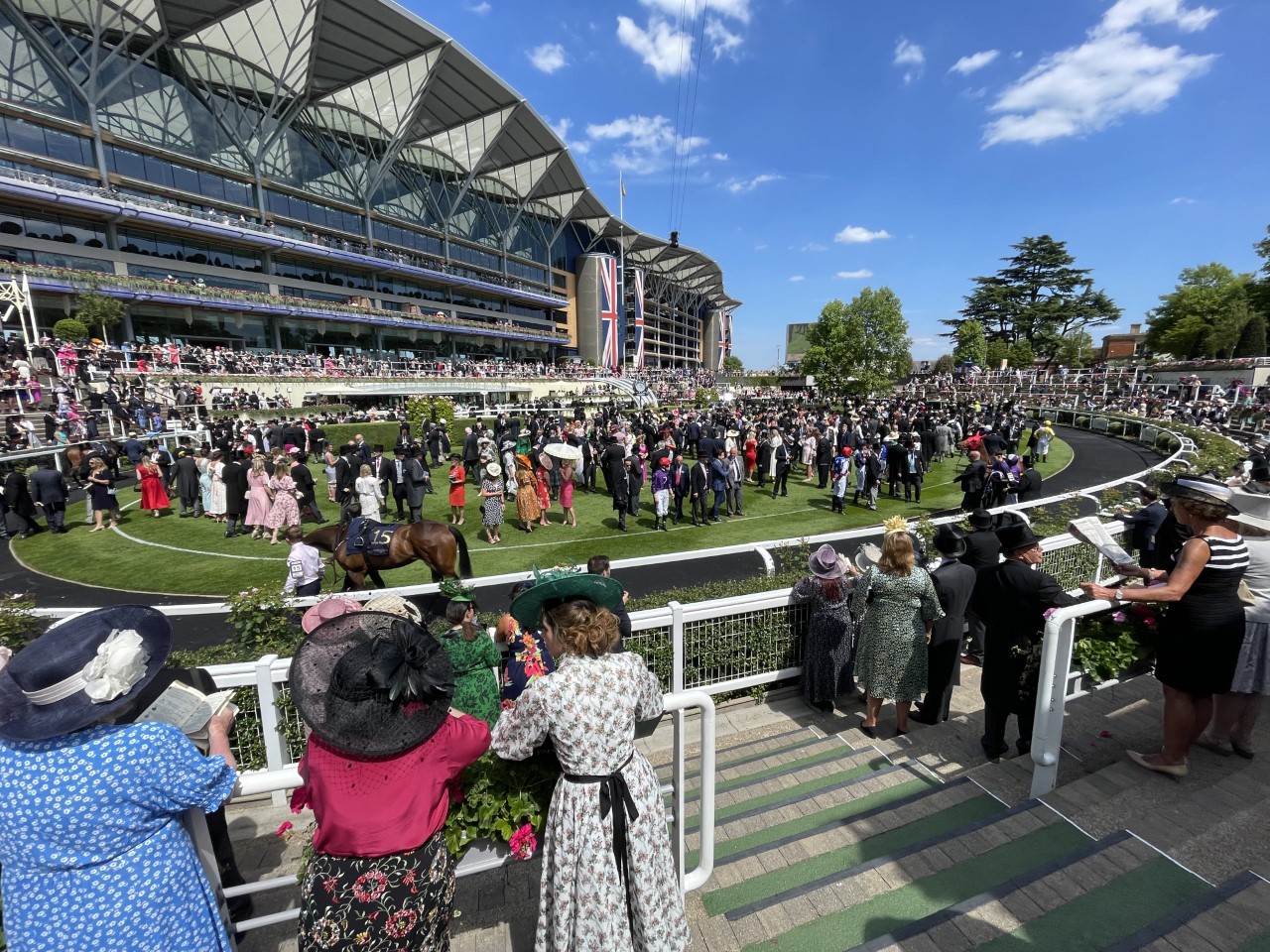

Royal Ascot Day 4 Tips, Analysis and Betting Guide
This expanded guide complements the existing Royal Ascot Day 4 selections with practical analysis, staking guidance and race-specific notes for informed readers. Please remember betting is for people aged 18 and over and always gamble responsibly.
Form, Draws and Market Moves to Consider Today
Royal Ascot brings fast ground, big fields and shifting market prices, so understanding form lines and draw implications helps refine selections without overbetting. Use this advice to contextualise the original tips rather than as a betting prescription.
How juvenile form responds to early pace and drift
Two-year-old races often produce market drift as inexperienced horses run erratically and race conditions evolve quickly on the day. When juveniles backers withdraw and prices lengthen, consider whether the drift reflects last-minute handling concerns or simply uncertainty in shallow form lines.
Sectional data and race replays matter even more with juveniles, as a fast early tempo can conceal a close-up run or overstretch a front-runner. Look for horses that have shown tactical versatility and respond to pressure, rather than relying solely on headline finishing positions.
Reading market drifts in two-year-old contests
Short-term market movement can be driven by stable advice, jockey switches or weather updates, so interpret drifts alongside those contextual factors. If a horse like California Dreamer drifts but retains favourable draw and pedigree for the expected pace, the drift may present value rather than a red flag.
Avoid assuming every shortening price is a certainty; sometimes support reflects simple backing for low-stakes novelty bets at a festival. Treat juvenile lines with caution and size stakes accordingly to reflect the higher variance in form.
Sprint race dynamics and Commonwealth Cup considerations
Sprints at Ascot require a blend of early speed and the ability to cope with undulations and stiff finishes over six furlongs. In wide-open contests like the Commonwealth Cup, pay close attention to horses that have handled high-pressure fast turf and those proven to race prominently from a wide draw.
Compare recent performances at similar tracks and ground, and check whether a colt has already run in high-class sprints this season, which often translates into readiness here. A runner such as Givemethebeatboys may attract interest on the basis of solid prior Group performances and a proven turn of foot.
Stall draw impact for big-field sprints
Large sprint fields at Ascot can amplify draw bias, with middle or wide stalls favouring horses that can secure a forward position without getting boxed in. Consider the race pattern and where previous similar races have been won from around the track.
If a contender has shown an ability to quicken off a good position and enjoys a stall that aids their natural racing angle, that can offset a longer public price in a competitive sprint market. Factor draw and tactical speed into place-based EW (each-way) decisions.
Key mile and filly races: Coronation Stakes notes
Mile races for three-year-old fillies often hinge on how they handled a mile previously and whether they are likely to appreciate slightly quicker or softer conditions. Ramatuelle’s run in the 1000 Guineas is a useful reference point to assess tactical speed and stamina reserves at this level.
Inspect seasonal progression and the quality of rivals they have encountered, rather than raw finishing position alone. Horses that have been campaigned against high-calibre rivals and shown a consistent pattern of improvement are more likely to handle Ascot’s unique demands.
Pedigree and seasonal form for fillies at Guineas level
Pedigree that favours firm ground and a mile can be a decisive edge, especially when coupled with a strong juvenile record at pattern level. A filly whose dam performed well on similar ground and distances brings an extra layer of confidence for Ascot’s conditions.
Where seasonal returns involve a bold front-running attempt, consider whether the connections are likely to ride more conservatively at Ascot to extract a late effort. Tactical adjustments between races can materially change a filly’s chances here.
Handicap tactics for later cards and Soprano’s profile
Handicaps at Royal Ascot demand scrutiny of rating progression, recent campaign lengths and whether a horse has been freshened for a targeted run. Soprano’s juvenile form and current mark require assessing whether her rating underestimates her raw ability and course preference.
Watch for horses dropping in class or returning from light campaigns where the handicapper may have been slow to react. For handicaps, smaller, well-reasoned stakes and placing strategies often outperform headline-backed longshots.
Assessing trainer patterns and draw bias in handicaps
Trainer form cycles and course-specific patterns can be revealing in big meetings; some yards place multiple runners and target specific races with identifiable preparation. If a stable shows a consistent record with similar types on firm ground, that increases confidence in their runner’s competitiveness.
When evaluating draw bias, consider whether the track’s configuration on the day favours inside or outside runs, and whether a horse’s recent wins came from a similar draw scenario. Those details inform sensible each-way choices in large handicaps.
Middle-distance scouting: King Edward VII strategies
Middle-distance contests like the King Edward VII require assessing how a three-year-old will handle stepping up in trip and whether their breeding suggests an affinity for a longer test. Diego Velazquez’s profile as a developed Ballydoyle colt suggests stamina and class on firmer ground.
Contrast exposed types with lightly raced prospects; established form over a mile and a quarter is valuable, but promising unexposed horses like Voyage can upset the formbook if their breeding and schooling indicate a strong staying turn. Balance likelihoods rather than chase headline odds.
When to favour proven form versus unexposed types
Proven form carries predictability and often handles the pressures of pattern company, while unexposed types bring the potential for marked improvement. Use race context, trainer comments and racecourse gallops to assess whether the unexposed profile is sufficiently supported to justify a larger stake.
In practice, blend a small-win stake on proven types with a conservative each-way or novelty stake on unexposed runners to balance downside risk while retaining upside in a festival environment.
Staking, portfolio and in-running adjustments
Festival betting benefits from disciplined staking and a focus on long-term bankroll preservation rather than chasing single-event profits. Consider fixed-percentage staking or graded stakes so that any daily losing streaks do not materially affect your broader betting pot.
In-running markets can offer value when you have watched the race and understood how the pace has unfolded, but these opportunities require quick judgment and smaller stakes. Avoid emotional reactions to short-term losses and reassess strategy between races.
Responsible staking and bet sizing guidance
Decide maximum exposure per race before you place a bet and treat each selection as one of many possible outcomes at a meeting like Royal Ascot. Never stake more than you can afford to lose and consider limits or timeouts if betting feels less controlled.
For readers aged 18+, use bookmaker account tools to set deposit limits and consider self-exclusion if gambling becomes problematic. Responsible play ensures the sport remains enjoyable without harmful financial or emotional consequences.
Comparing bookmaker offers and using comparison tools
Bookmaker prices and each-way terms can vary notably across the market, especially at major meetings, so use comparison tools to find the most favourable odds and place conditions. Explore the offers neutrally and avoid signing up to multiple accounts solely for promotional incentives without clear intent to bet responsibly.
We list bookmaker comparisons and free bet offers to help readers make choices, but these resources are informational and not a recommendation to wager. If you choose to use affiliate links, remember to prioritise responsible gambling settings and personal limits.
Royal Ascot Day 4 FAQs and betting guidance
Below are common questions readers have about day-to-day Royal Ascot betting, stakes and race analysis to help you make informed, responsible decisions. Answers are brief and focused on practical, non-promotional guidance.
Q: How should I approach betting on juvenile races?
A: Prioritise horses with clear pattern performances, adaptability to pace and good sectional data; keep stakes conservative as juveniles are high variance and unpredictable.
Q: Are draw and stall positions crucial at Ascot?
A: Yes, large fields and straight sprint tracks can magnify draw effects, so consider whether a stall helps or hinders a horse’s natural racing style before backing.
Q: What is a sensible staking plan for a Royal Ascot day?
A: Use a fixed-percentage approach of your bankroll for each selection, avoid increasing stakes after losses, and keep festival exposure modest to protect your funds.
Q: Can pedigree determine suitability for Ascot’s ground?
A: Pedigree offers useful clues, particularly for stamina and ground preference, but always corroborate with recent form and trainer comments rather than relying on bloodlines alone.
Q: Is in-running betting advisable during big meetings?
A: In-running can be useful if you understand race pace and can act swiftly, but maintain smaller stakes and avoid chasing losses in the heat of the moment.
Q: How do I find the best each-way terms for place betting?
A: Compare bookmakers for each-way place terms and place fractions, and prefer shops offering extra places on big fields if you plan an each-way strategy.
Q: Where can I set responsible gambling limits?
A: Most bookmakers provide account tools to set deposit, loss and wager limits; use these features to manage activity and seek help from support services if gambling causes concern.
Q: What should I do if betting stops being enjoyable?
A: Pause betting, review your activity and consider timeouts or self-exclusion; contact support organisations if you need further help and remember 18+ age restrictions apply.
You can explore current bookmaker offers and compare free bet terms through our dedicated comparison page to help inform responsible choices: https://bestofbets.com/free-bets
For readers interested in casino welcome bonuses and affiliate offers, our casino bonus page lists current offers and terms for new customers: https://bestofbets.com/casino-bonus