

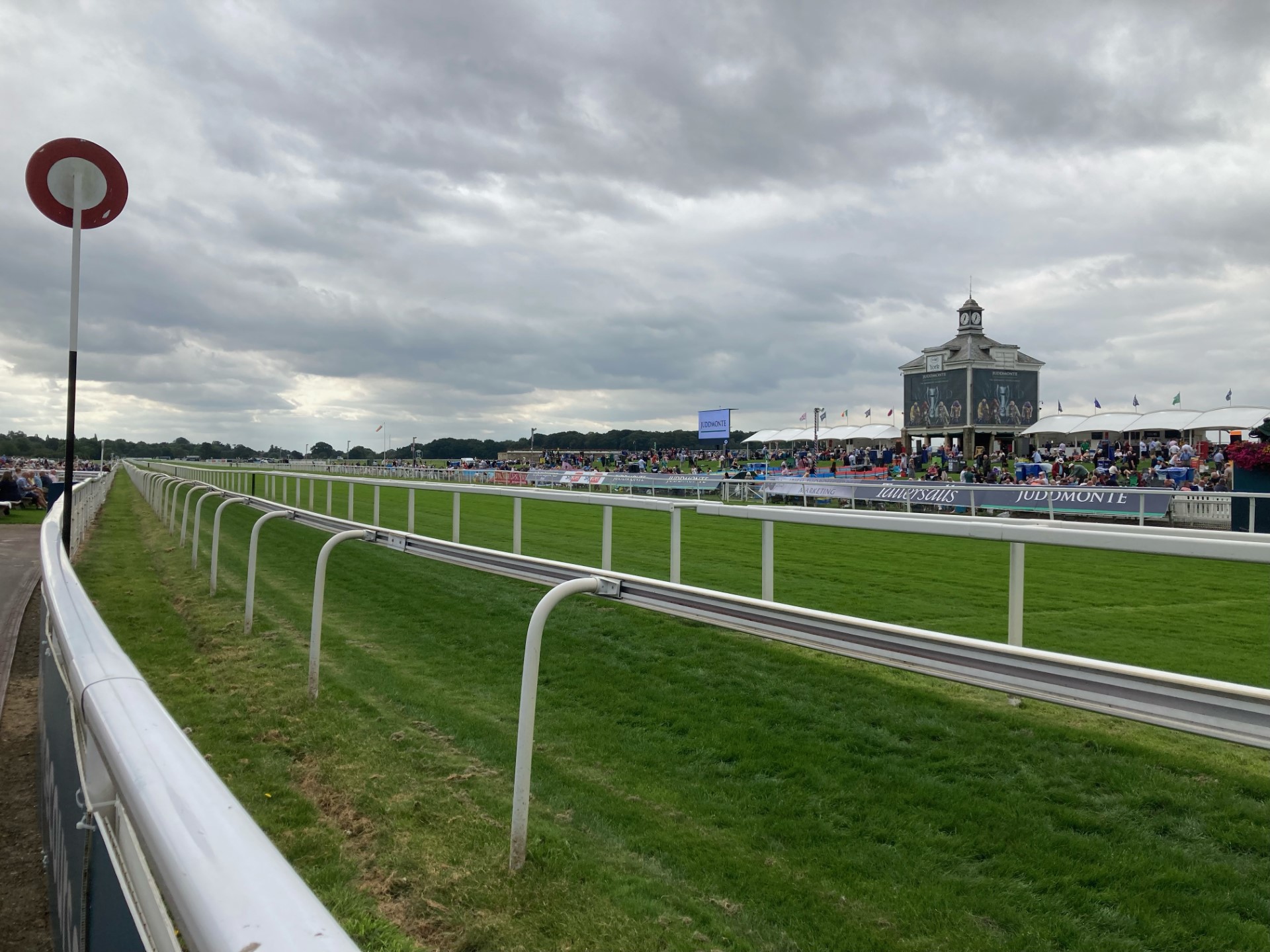

York Ebor Day Three Nunthorpe Stakes Preview
Detailed race-by-race analysis and betting guide
Key form factors to consider at York racecourse today
York has a long straight and subtle biases that influence sprint outcomes, so recent form at similar straight tracks and small-field sprint history are essential when assessing each runner for the Nunthorpe and supporting races.
Look for horses who have shown a turn of foot on Goodwood, Newmarket or Haydock, and weigh recent runs on comparable going after the forecast to separate genuine contenders from over-hyped performers.
How the draw and track bias affect sprint races at York
The draw can be decisive on big sprint days at York, with low-numbered stalls sometimes favoured depending on how the ground rides and which rail the jockeys choose, so always check the stall map before backing a horse on the day.
Consider horses like Asfoora who benefit from an inside draw and those drawn wide who may need clear air to produce their best; tactical speed and position early can compromise late finishers if the race paces up.
Interpreting the going and rain impact on sprint distances
Rain will change the complexion of several races on the card, and while some sprinters handle cut ground well, others will struggle to replicate form shown on good-to-firm, so prioritise proven ability on soft or good-to-soft surfaces where available.
Pay attention to horses with a recent run on similar ground or whose sire shows adaptability, and be cautious making significant stakes changes purely on odds shifts if the trainer reports are inconclusive.
Staying races and selecting handicaps at the Ebor meeting
Longer distance contests such as the Lonsdale Cup require a balance of stamina and racecraft; look for recent third-party form at staying trips and progressive handicap marks that suggest an upward trend rather than a one-off peak.
Evaluate each run in context of race tempo and weight carried, with an emphasis on horses stepping back in trip after a stayers test or those proven to travel strongly through the race.
Trainer and jockey trends to watch during the festival
Trainer patterns at York often reveal who primes for the Ebor week, and some yards target this festival with specific prepping schedules; monitor trainers with strong early-season juveniles and consistent sprint records for an edge.
Similarly, jockeys who know the track well can offset moderate draws and adapt tactics in running, so pair strong trainer-jockey combinations with form that fits the race profile rather than relying on name recognition alone.
Using form lines from Goodwood and Newmarket for two-year-old races
Two-year-old form from Goodwood and Newmarket tends to translate to York when the races involve similar distances and class, so follow the lines between those meetings and look for repeat interactions among the leading juveniles.
Big Mojo’s Goodwood run and Billboard Star’s Newmarket evidence are useful pointers, but place emphasis on breeding for the extra furlong at York and how well a juvenile finished its prep run.
Finding value: spotting long-odds contenders with upside
Value selections often come from horses with lightly weakened marks or those stepping up in trip who have shown late improvement, so scan for consistent closing efforts and underrated trainer statistics rather than headline odds alone.
Long-priced each-way choices like Starlust or Cool Hoof Luke can pay in large handicaps if they possess a proven liking for York or have a running style that negates draw disadvantages.
Bet types and forecast strategies suitable for festival cards
Forecasts and tricasts can offer a structured way to back the likely top finishers in Group sprints where two or three horses clearly dominate, but they should be used selectively and as part of a planned staking approach to limit exposure.
Consider small multiple forecasts in the Nunthorpe by combining favoured pairings such as Asfoora and Big Evs with a strong place contender to cover different race scenarios without overbetting your bankroll.
Trainer and jockey statistics to improve selection accuracy
Compile a shortlist of trainers with a high strike rate at York and match them with jockeys who frequently secure strong positions in sprint races, as this combination can materially increase the probability of a selection performing well on the day.
Use recent seasonal form and stable news to confirm the booking, and avoid last-minute bets where jockey changes leave uncertainty about intended tactics or a horse’s role in the race.
Value betting principles for festival handicaps and stakes
Value betting is about staking proportionately when the perceived chance of a runner exceeds the implied odds, and that requires confident, repeatable processes for assessing form rather than emotional reactions to headline prices.
Stick to pre-determined staking percentages, favour smaller stakes across multiple value opportunities, and resist chasing losses to keep betting disciplined and informative over the long term.
Responsible betting practices and bankroll management guidance
Always remember that betting should be for entertainment and is permitted only for those aged 18+, so set deposit and stake limits, and never wager money needed for household or essential expenses.
If you find betting is affecting your mood, finances or relationships, seek help via recognised UK resources and use bookmaker tools to self-exclude or set firm limits on activity.
How to read racecards and apply sectional timing at York
Sectional times provide objective evidence of how a horse finished its last race and can reveal whether a runner has enough speed for a quick five-furlong contest or needs a middling tempo to show its best at York.
Combine sectional analysis with form book comments and watch replays where possible to identify horses that consistently produce a finishing burst or conversely those that fade when the pace quickens.
Managing multiple bets across the card with limited risk
When following festival cards with several selections, allocate a fixed total stake and divide it into smaller units to spread risk across picks, focusing on one or two key bets and a few lower-stake each-way punts for balance.
Avoid staking more than a small predetermined percentage of your bankroll on any single race, and track results to learn which strategies work best for your reading of York form and going.
Using bookmaker comparisons and offers responsibly
Bookmaker comparisons can help identify the best available odds and responsible welcome offers, but always read terms and conditions and treat promotions as supplementary rather than central to betting decisions.
You can explore current bookmaker offers through our comparison tools if you choose to bet responsibly, and use free bets or enhanced places with clear limits to manage exposure without increasing overall risk.
How to interpret morning-line odds and market movements
Morning-line odds provide an early market view but are subject to change as trainers’ reports, jockey declarations and late support influence prices, so monitor price movement to identify where smart money may be placing confidence.
Substantial early moves for otherwise obscure runners can indicate insider confidence or strong public support; however, always reconcile market shifts with form evidence rather than following volatility alone.
Preparing for the day: essential checks before placing bets
Before placing any bet, confirm declarations, non-runners, official going updates and any late jockey or equipment changes, since these factors can materially alter a horse’s chance and the value proposition.
Carry out a quick re-check of key information no less than 30 minutes before race time and adjust stakes accordingly if new evidence contradicts earlier assumptions about form or fitness.
Post-race review: learning from outcomes at York
After races run, review the replays and sectional data to understand why favourites did or did not perform, which will build a more accurate future read on how York’s conditions are affecting form lines across the card.
Keep a simple results ledger noting your pre-race reasoning and the outcome to identify biases in your selection process and to refine how you evaluate draw, going and race pace in future meetings.
Final notes on festival betting and sensible play
Essential closing advice before you place any bets
Betting should remain recreational, and anyone placing wagers must be 18 or over; keep stakes affordable, use bookmaker protections such as deposit limits, and seek help if gambling becomes a problem.
Our selections and analysis are informational and do not promise returns, so consider them alongside your own research and within the limits of a responsibly managed bankroll.
For an easy way to compare bookmakers and view current free bet deals, visit https://bestofbets.com/free-bets to see our recommended options for new customers.
For a roundup of casino welcome bonuses and affiliate offers, you can find curated casino promotions at https://bestofbets.com/casino-bonus to review responsibly before deciding to play.
Can I use these selections as a long-term betting system?
These selections are expert opinions and race analysis intended to inform your betting choices; they are not a guaranteed system and should be used alongside your own research and sensible staking rules.
How much should I stake on each selection at York?
Staking depends on your personal bankroll and risk tolerance, but a commonly used approach is to allocate a fixed small percentage of your total betting bankroll to each bet to limit downside and preserve funds for learning.
Are the forecasts and tricast suggestions suitable for beginners?
Forecasts and tricasts offer structured returns when placed correctly, but beginners should start with small stakes and practise reading race pace and form before committing larger stakes to multi-horse combinations.
What resources should I check for last-minute changes on race day?
Always check the official racecard updates, going reports, and trainer/jockey declarations via the racecourse website or accredited racing platforms no later than 30 minutes before each race for reliable last-minute information.
How does the going update influence selection choices?
Going updates can change which horses are favoured; prioritise runners with proven form on the announced going and adjust expectations for those whose best performances came on substantially different surfaces.
Where can I get help if gambling stops being fun?
If gambling causes distress or you suspect a problem, contact UK-based support groups such as GamCare or use bookmaker support tools to set limits or self-exclude, and remember help is available and confidential.
Is age verification required to use bookmaker offers mentioned here?
Yes, all UK bookmakers require customers to be 18 or over and to complete age and identity verification before accepting bets or awarding promotional offers, in line with regulatory requirements.