

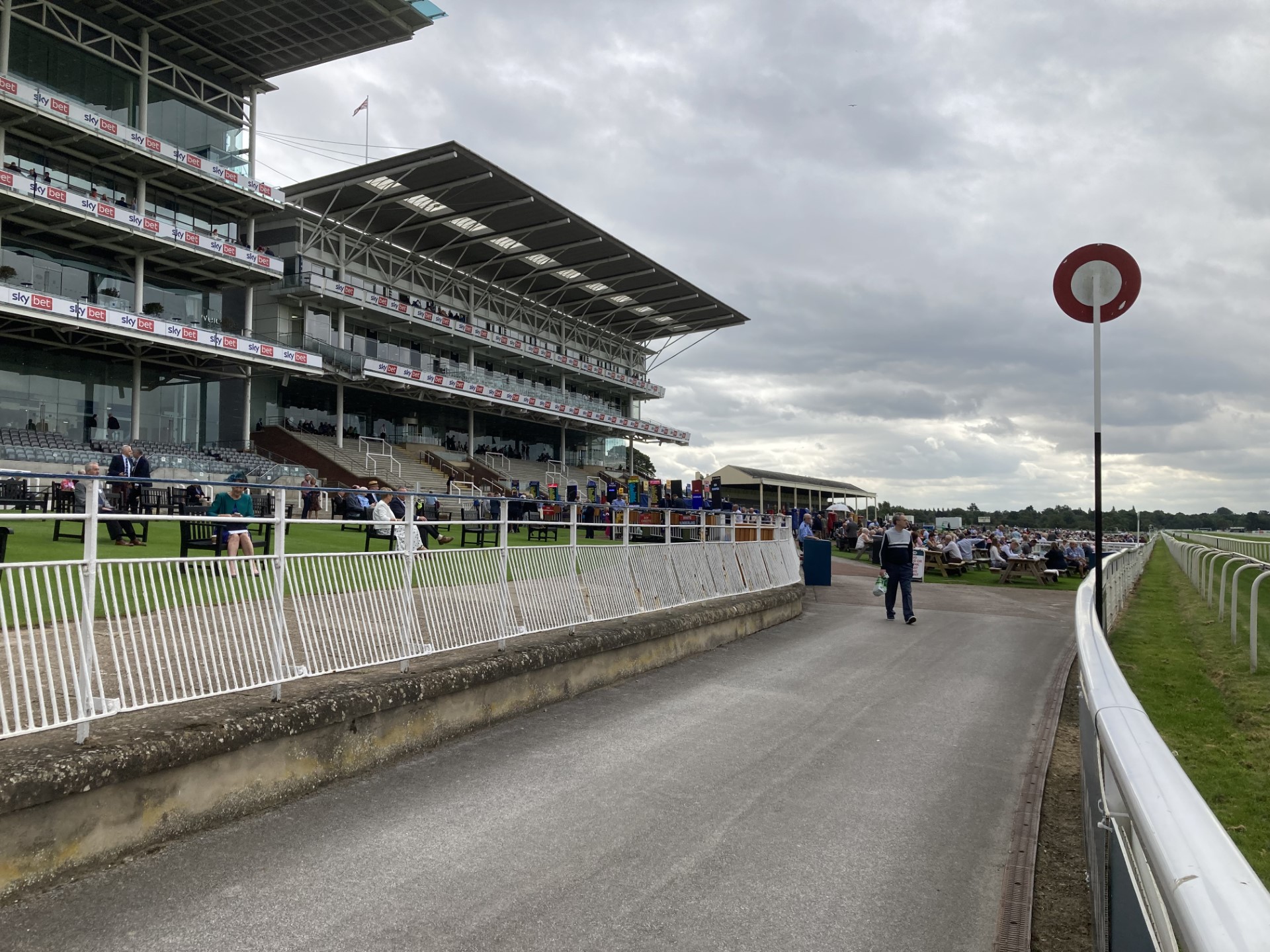
York Ebor Festival Day Four: Full Race Preview
The Ebor Festival’s fourth day at York brings a mixture of high-class handicaps and pattern races, and this expanded preview adds tactical insight, form interpretation and bookmaker guidance to complement our original tips. Read on for trends, race-by-race thinking and practical pointers for readers studying the card responsibly.
In-depth analysis, trends and bookmaker options
This guide focuses on the Ebor Handicap and key supporting races, examining stamina, draw, ground and recent form while keeping selections contextual and evidence-based. We also cover how to compare bookmaker prices and use offers responsibly if you are 18+, remembering that betting is entertainment and not a way to make money.
Key factors shaping the Ebor Handicap outcome
The Ebor is a testing 1m6f handicap where stamina under firm ground often separates the placed horses from the rest; recent winners tend to have shown ability at similar trips and handled good-to-firm going. Trainers’ patterns, late-season improvement and a horse’s record on undulating tracks like York influence both form and market movement, so place weight on performances that closely mirror the Ebor demands.
Assessing recent form across similar distances
When evaluating contenders, prioritise performances over 14–16 furlongs on good ground, and give extra consideration to consistent form rather than a single standout run that lacks comparable conditions. Racing at this trip often exposes horses who have previously won or placed over staying trips, so cross-check for credible stamina tests and progressive handicapping marks.
Typical York track bias and seasonal patterns
York’s wide, galloping straights favour strong-travelling stayers who can handle a long run to the line, and the course bias can vary across the week depending on how the ground has raced. Look for draws and travelling style that match the prevailing bias on the day and factor in whether front-runners have been dominant or vulnerable over comparable trips this meeting.
Estimated market movers and bet sizing advice
Market movement in big handicaps often follows late declarations, jockey bookings and trainer notes; a late drift may indicate stamina doubts or a change of plan, while support can confirm form confidence. Stake sizing should be proportional to confidence and bankroll, and you should avoid chasing losses — treat stakes as a planned entertainment budget rather than an income strategy.
Why draw, ground and stamina matter at York
Draw can be decisive in big handicaps because track position shapes how horses cover the long York bends and approach the final straight; inside and middle stalls may help horses get an uninterrupted run if a favoured early pattern emerges. Ground is equally important — many proven Ebor performers have run well on good-to-firm surfaces, and a drying surface can increase the emphasis on pure staying power.
Profiles and form lines for leading Ebor fancies
To build a shortlist you want horses with: proven ability over 12–16 furlongs; wins or credible runs on good-to-firm; and recent handicapping progression without a sudden spike in mark that suggests the handicapper has over-penalised. Examine each horse’s sectional times, weight carried in recent starts and the types of races they have beaten to ensure the form lines translate to the Ebor conditions.
How to approach handicaps and find value bets
Handicap betting is about spotting horses that are undervalued by the market due to recent runs, unsuitable trips or small figures on the ratings that mask an improvement. Seek value by comparing multiple bookmakers’ prices, noting where the market has under-reacted to a positive trainer update, and focus on horses whose form and conditions align with the race’s proven trends.
Race-by-race tactical notes for day four selections
Each race has its own storyline: in the Strensall and City of York Stakes the emphasis is on class and speed, whereas the Melrose and Finale handicaps reward adaptability and race fitness. For two-year-old events such as the Julia Graves Roses Stakes, pace and draw can be particularly influential, so prefer juveniles that have shown early speed or progressive sprint form in similar pattern races.
Strensall and City of York Stakes tactical considerations
Pattern races are often cleaner form lines with fewer temperature checks from weight adjustments, so concentrate on horses with Group or listed class experience and clear form holds. Jockey bookings and consistency at the Group level can provide reassurance, and short-priced selections should still be judged against likely pace scenarios rather than reputation alone.
Melrose Handicap and stamina management tips
The Melrose requires a blend of speed and stamina — horses dropping back from two miles or stepping up from 10–12 furlongs often fit well if they have run on soft sections of the track. Look for runners with a proven late kick or the ability to dictate a patient race from midfield, and be cautious with those who have only shown short speed on quick surfaces.
Juvenile sprinting and how it differs tactically
Two-year-old contests are more volatile: a bad draw or an inexperienced ride can distort form, and improvement between runs is common at this age. When considering juveniles, evaluate breeding for speed, trainer two-year-old strike-rates and whether the horse has handled racing manners under pressure on debut or second starts.
Comparing bookmakers and responsibly using offers
Comparing odds across firms can uncover valuable differences, especially for bigger fields where market consensus can vary; use reputable comparison tools and remember that the best long-term approach is disciplined staking rather than chasing high odds. Any exploration of bookmaker offers should be done by those aged 18+, with full awareness of terms and a commitment to responsible play.
Using in-running markets and late information effectively
In-running markets allow reactive opportunities if a race unfolds favourably, but they also amplify emotional decision-making and can increase losses if used without a plan. Set limits, avoid impulsive increases after a loss, and treat in-running activity as a tactical option rather than a primary strategy.
Bankroll management and safer betting practices
Good bankroll management is central to long-term enjoyment of racing: set a fixed entertainment budget, stake a consistent percentage of that budget on each pick and never bet more than you can afford to lose. If betting ever feels like a problem, contact UK support organisations for help and consider self-exclusion or stake limits through bookmakers.
How to read the market and anticipate moves
Early market movements can signal confidence from informed connections or syndicates, but late support after declarations often reflects jockey or trainer reassurances to punters. Combine market signals with form analysis rather than relying on moves alone to guide your selections.
Selection recap and practical next steps
The original page selections remain the central view for day four, and these extended notes are intended to help readers understand why those horses were highlighted and how to apply the same criteria to other runners on the card. If you choose to place any bets, do so as a form of entertainment, set firm limits and remember that past form does not guarantee future outcomes.
For readers interested in comparing odds and current bookmaker sign-up offers, explore our comparison tools to check prices and terms from licensed firms; these resources may help you make an informed, responsible choice. You can explore current bookmaker offers through our comparison tools if you choose to bet responsibly and are 18 or over.
Common questions on betting at York Ebor Festival
This FAQ block answers frequent queries about interpreting the card, using offers and staying safe when betting during the festival. All advice is informational and aimed at readers aged 18 and over who choose to gamble responsibly.
Is the Ebor Handicap suited to horses that close late?
Yes, the Ebor often rewards strong closers who can sustain a long run to the line, particularly on good-to-firm ground where stamina carries the day. However, early pace and race shape can upset late closers, so assess each race’s likely tempo before committing stakes.
How important is the draw in York big handicaps?
Draw can be influential because of York’s turning course and straight finish; an inside draw can help secure a better position, while a wide draw might require greater stamina and tactical speed. Always combine draw assessment with known track bias for the week to form a view.
Should I use bookmaker free bets for Ebor wagering?
Free bets can be useful to try odds with lower personal risk, but compare terms, wagering requirements and market restrictions before using them. Treat any offer as an optional tool and never let promotional offers drive larger or riskier stakes than you would normally place.
What staking plan suits festival handicaps best?
Adopt a consistent staking plan such as flat stakes or a small percentage of your bankroll per selection to manage variance across a busy card. Avoid staking increases driven by emotion and set loss limits to preserve responsible play.
How do I check which ground a horse prefers quickly?
Look at a horse’s recent runs in the form guide and check explicit comments about ground in race reports or entries, focusing on results on good or firm surfaces if those are forecast. Trainers’ public notes and past performance on similar ground are often the clearest indicators.
Can I rely on jockey bookings to pick winners at York?
Jockey bookings provide useful context and occasionally indicate a trainer’s confidence, but they should be combined with form, course fit and weight considerations rather than used in isolation. A top jockey can improve a chance but cannot guarantee a win.
Where can I get help if betting feels like a problem?
If you are concerned about your gambling, seek support from UK services such as GamCare and use self-exclusion or deposit limits with operators; help is available and confidential. Gambling should be 18+ only, and seeking assistance early is a responsible step.
Compare current bookmaker odds and sign-up offers on our free bets page to see updated promotions and terms applicable to new customers: https://www.bestofbets.com/free-bets. For readers interested in casino bonuses and welcome offers from our affiliate partners, details are listed on our casino bonus page: https://www.bestofbets.com/casino-bonus.