

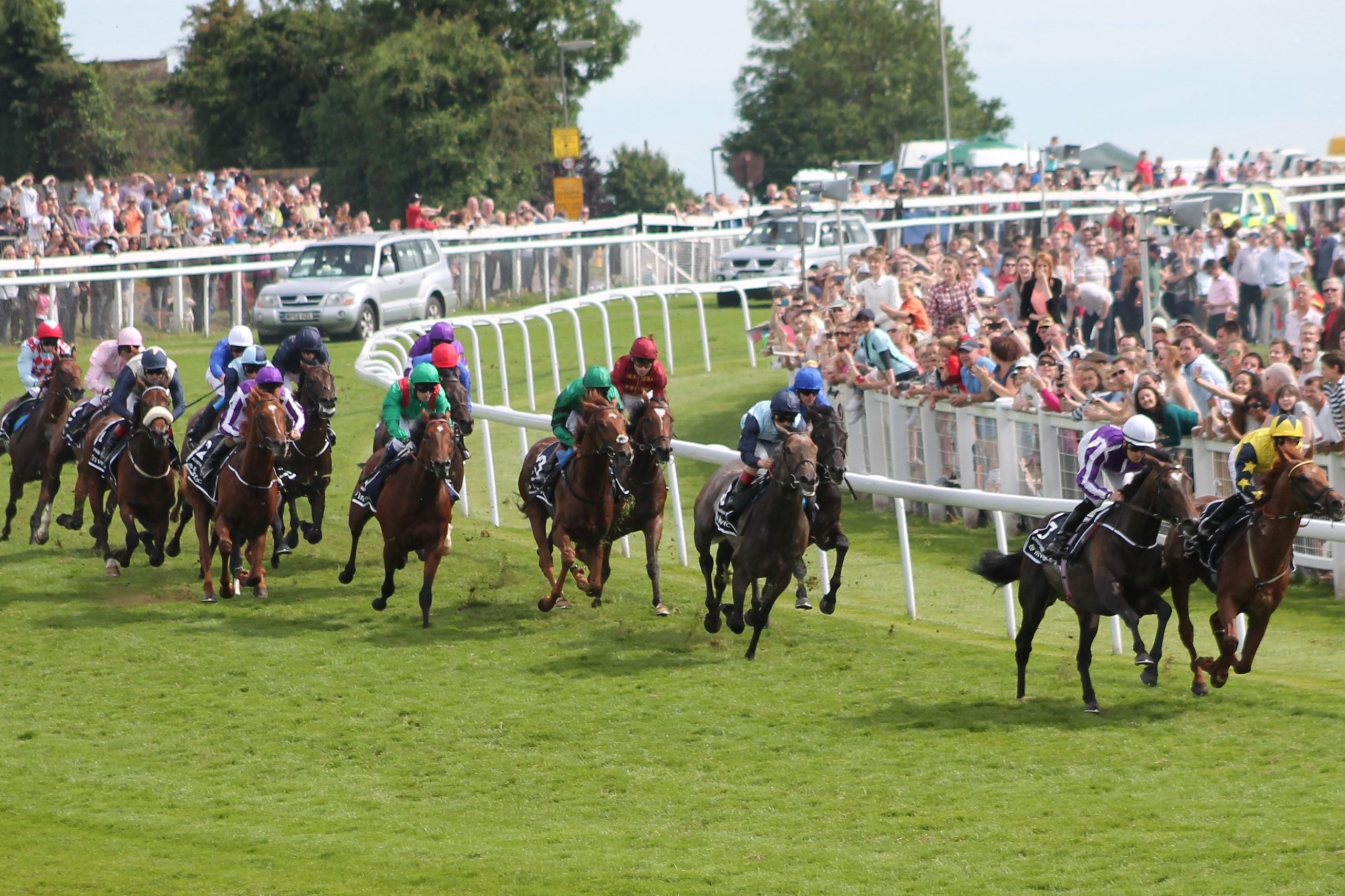

York Ebor Day 3 Tips, Analysis and Betting Notes
Below you will find expanded analysis, staking guidance and race-by-race considerations that complement the original selections for the York Ebor Day 3 card, presented to help readers make informed choices rather than to encourage wagering. This content is for readers aged 18+ and aims to promote responsible gambling habits while providing clear, practical insight into form, conditions and market dynamics.
Strategy, Value and Stakes Guidance for Each Selection
Approach the card with a focus on value rather than volume: back selections where the price reflects an opportunity relative to their form, and size stakes to a pre-defined unit plan that suits your bankroll and tolerance for losing runs. Always use bookmaker comparison tools to find the best available odds and remember that betting should never be relied upon as a way to make money or to solve financial problems.
Gimcrack Stakes: Why Haatem Appeals at 7/1
Haatem’s race-by-race progression makes him of obvious interest in a juvenile Group 2 where exposed form is at a premium, and the weight penalty from his Vintage Stakes win is balanced by the depth of his prior form against high-class rivals; at 7/1 he looks to represent a reasonable each-way proposition for those prepared to accept the typical juvenile variables. Consideration should also be given to draw and likely pace in the field, with Haatem’s ability to handle seven furlongs proven and his turn of foot likely to be more effective on a genuinely good surface than on heavy going.
How to size stakes and manage a small bankroll
Set a flat unit that represents a small, affordable proportion of your available bankroll and avoid increasing stakes after wins or losses; consistent unit staking preserves longevity and removes emotional staking decisions from the equation. For each-way plays in juvenile contests it is sensible to use smaller units than you would for forecast or money-back-promoted bets, and to limit exposure to a small number of selections per meeting.
Nunthorpe Stakes: Aesop’s Fables Case at 28/1
Aesop’s Fables arriving at five furlongs is a primary factor in the appeal of his each-way case at 28/1, because his pedigree and race history show genuine speed when he has been at his best and the right ground can unlock improvement over the shorter trip; betting at a big price requires bravery but also strict stake discipline and an acceptance that longshots are high-variance plays. Market signals on the morning of the race, including any significant shortening or movement from industry traders, should be monitored closely as they can reflect hidden confidence from connections or informed money that alters the value proposition.
Using bookmaker odds and searching for value bets
Compare prices across several reputable bookmakers and consider value not just in headline decimal odds but in factors such as place terms, money-back promotions and insurance offers, which can materially alter the edge in a tight market. Use odds comparison and watch for shifts in the market after declarations, rain or late jockey changes, then reassess whether the price still represents value against your assessment of the horse’s chances.
Class 2 Mile Handicap: Silver Sword’s Mile Prospects
Silver Sword’s form profile shows an upward trajectory and a favourable mark for a lightly exposed three-year-old at a mile on good ground, and his proven ability to travel through a race suggests he can cope with a stronger pace scenario which often helps horses coming from off the pace in competitive handicaps. In a twelve-runner field it is important to allow for progressive rivals and to recognise that the handicapper may have underestimated his improvement, making a pragmatic each-way stake proportionate to the perceived value and the depth of the market.
Short-term Form, Ground and Trip Considerations Today
When assessing juveniles and three-year-olds at York it is essential to weigh recent runs over similar trips and going, as many young horses progress quickly but can also regress if conditions are unsuited; evaluate how each selection’s best form aligns with prevailing track conditions and whether they handle cut in the ground or prefer a quicker surface. Trainers who target specific tracks and trip ranges with consistent patterns should be credited accordingly in your assessment, and horses making first starts after a short break need careful scrutiny for fitness signals and trial gallops.
Interpreting Racecards and Trainer Patterns Ahead
Racecards convey more than form figures: study jockey bookings, trainer entries elsewhere on the card, headgear changes and recent work reports to identify likely intent and target races, as these indicators often reveal tactics and whether a trainer is sending a horse for a class drop, a progressive raid or a prep race. Analyse stable form in the days running up to the meeting because a trainer’s hot or cold spell can influence each runner’s chance beyond what the bare handicap mark suggests.
How weather and going reports reshape race chances
Weather between declarations and post time can drastically change the texture of a race, particularly at York where rain can turn good ground into good-to-soft and alter the advantage between speed and stamina; always check the official going and recent race times on the course to reassess each selection’s suitability. Some horses have clear ground preferences visible in their form lines, so align those preferences with the forecast and be ready to change position if the track becomes materially slower or quicker than expected.
Watching in-running markets and timing live bets
In-running betting can offer opportunities to exploit unfolding pace and position information, but it requires discipline, a clear contingency plan and pre-defined limits to avoid impulsive stakes; watch how races are developing in the early stages and only consider live bets when you can reliably interpret track position, ground and the likelihood of a late challenge. If using in-running markets, keep stakes modest relative to your pre-game unit plan and avoid chasing losses or increasing stakes based on emotion during the race.
Responsible gambling tools and setting limits sensibly
Use bookmaker account tools such as deposit limits, loss limits and cooling-off periods to control exposure, and consider self-exclusion options if you feel your betting is no longer under control; these features exist to protect consumers and to support healthier betting habits. If gambling causes you worry, talk to people you trust and seek professional advice through recognised support services rather than attempting to recover losses through more betting.
Practical watch points for the York Ebor meeting markets
Key things to monitor include late market moves, non-runner declarations, jockey switches and any equipment changes, as these can be meaningful clues about a horse’s readiness or intended tactics and help you decide whether to back or pass on a selection. When multiple bookmakers offer differing place terms or promotional offers, factor those into your stake decision but avoid betting simply because an offer exists; the selection must still meet your value criteria.
We encourage readers aged 18+ to make measured decisions, to bet only what they can afford to lose and to use bookmaker comparison tools to check available odds and offers responsibly. You can explore current bookmaker offers and free bet promotions through our dedicated comparison pages to help find the most suitable terms for your approach: https://bestofbets.com/free-bets
For players also interested in casino bonus deals, our casino offers and bonus comparison page lists current welcome offers from affiliate partners for informational purposes: https://bestofbets.com/casino-bonus
Frequently asked questions about today’s selections and racing
What is the best way to approach each-way bets at York today?
Each-way bets can offer value in large fields or where a horse is overpriced relative to form; back each-way only when the place terms and price match your assessed chance and your unit staking plan. Remember that each-way payouts vary by bookmaker and that staking should remain small relative to your bankroll.
How should I factor the going into my betting choices?
Compare a horse’s best performances on similar going and favour those with proven form on the expected surface, adjusting stakes down if conditions are questionable. If the forecast is changeable, consider leaving larger stakes until the final going is confirmed to avoid unnecessary risk.
When is a long-shot worth a small speculative stake?
Consider small speculative stakes on long-shots when there is a credible reason for improvement, such as a return to a preferred trip, a favourable draw or a positive market move, and always size those stakes according to a conservative staking plan. Avoid multiple long-shot exposures in a single meeting to prevent rapid bankroll erosion.
How can I use trainer and jockey information effectively?
Look for trainers with a strong recent strike-rate and for jockey bookings that signal confidence from connections, but weigh that alongside the horse’s actual form and suitability to the race conditions. Short-term trainer trends can be informative, but do not rely on them exclusively in place of deeper form analysis.
What responsible gambling steps should every punter follow?
Set deposit and loss limits, decide on a maximum stake per day or meeting, and avoid betting under financial stress; use bookmaker tools to enforce limits and seek support if gambling feels problematic. Gambling is for entertainment and must never be viewed as a way to solve financial issues.
Are in-running bets recommended for this card?
In-running bets can be useful if you can interpret the early pace and track bias quickly, but they require discipline and smaller stakes than pre-race bets due to the speed and volatility of markets. Only take in-running positions when you have a clear, rule-based reason and a strict stop-loss in place.