

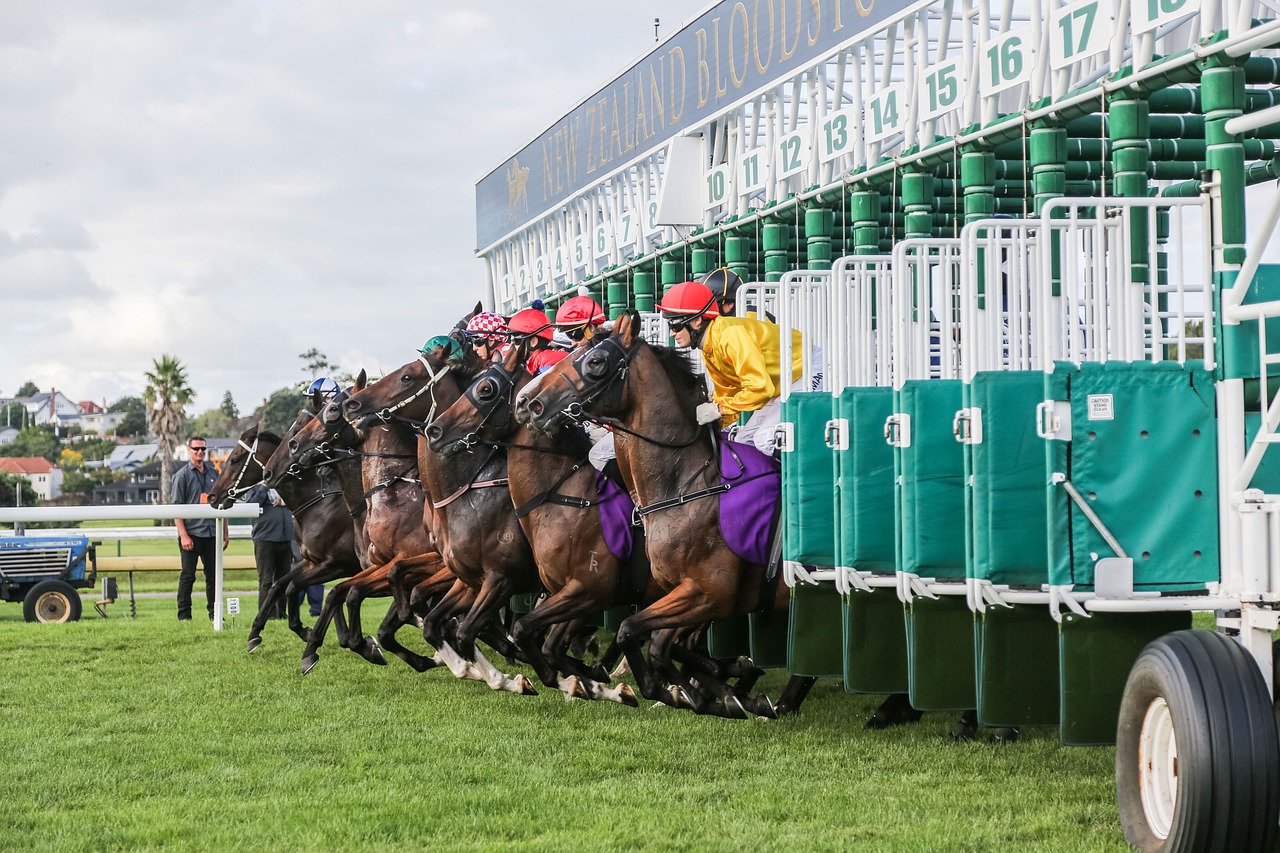

York Dante Festival Day 3: Tips and Race Analysis
The third day of the York Dante Festival brings valuable pointers for both handicap and Listed race players seeking measured, evidence-led selections rather than speculative punts. This expanded guide explains form lines, trainer and jockey context, and sensible staking thoughts to complement the tips already published on the page.
How we analyse races and choose sensible bets
We focus on recent form patterns, the quality of opposition, track and trip fit, and how a horse’s profile matches race conditions to build a reasoned shortlist for each contest. Our aim is to highlight value within your own risk tolerance while promoting responsible, 18+ only betting behaviour.
Form lines to note from recent York and Newmarket meetings
Recent Newmarket and York performances can carry strong predictive value when the form involves similar ground, distances and pace setups, so look for horses that shaped best rather than those that just finished closest. Pay particular attention to whether a horse has improved on second or third starts and how those runs translate when stepping up in grade or trip.
Why recent Newmarket runs matter for Marygate starters
Newmarket winter and spring form often indicates how a filly handles a stiff finish and a testing surface, traits relevant to the Marygate Fillies’ Stakes at York, especially for horses stepping up slightly in class. If a filly like Harry’s Girl produced a strong late burst over the Rowley Mile, that turn of foot can be a decisive asset on a drying York track.
Key stamina and ground considerations for fillies’ races
When assessing fillies, consider both pedigree and in-race evidence for stamina, as some juvenile types struggle when asked to stretch out even marginally in trip. Also weigh the likely ground on the day: a quickening surface typically favours speedier types, while softer going will benefit those with proven staying pedigree or previous soft-ground wins.
Interpreting official ratings and recent form lines
Official ratings give a baseline for comparing horses from different races, but they are most useful when combined with context such as weight carried, race pace and whether a horse is improving from a low-mileage profile. A filly whose rating jumps after a convincing maiden win could still be well treated in a Listed contest if the handicapper has yet to reflect a clear upward trajectory.
Handicap clues and what ratings tell us at York
In handicaps at York, the key is to identify horses that have shown improvement or that have had excuses removed, such as unsuitable ground or a poorly judged trip, rather than automatically backing the highest-rated runner. Ratings close to a last winning mark are useful signals, but form lines and course-specific evidence often trump absolute numbers.
How ground and trip adjustments affect Thunder Run
Thunder Run’s profile of having won on good and good to firm suggests adaptability, and stepping up in trip can unlock improvement for lightly raced types who finish strongly at eight furlongs. When a horse has performed best on quicker ground and has a breeding pattern supporting additional distance, a well-judged step up can be logical rather than speculative.
Trainer and jockey context that influences selections
Trainer plans, recent stable form and a jockey’s track record at York all deserve weight when assessing shortlists, as small margins often decide these contests; check whether a trainer uses specific prep races as stepping stones for bigger targets. Jockey bookings can also indicate confidence and tactical intent, particularly in races that may go to a late-runner versus those that favour hold-up tactics.
Why patterns of trainer placement are important
A trainer who targets certain York prizes regularly will often have horses ready to peak for these dates, and seeing a horse move in the market for such a stable can be a useful corroborating signal. It’s prudent to combine that information with the horse’s recent work and race conditions to avoid overvaluing mere trainer profile without supporting form evidence.
Bet sizing, staking and each-way considerations explained
Bet sizing should be matched to your bankroll and the expected probability of the selection; for open handicaps, smaller stakes and each-way coverage often make sense because outcome variance is higher. In Listed races where form and class lines are clearer, a larger win stake may be appropriate relative to your budget, but never stake beyond what you can afford to lose.
Each-way strategy for competitive handicaps
Each-way bets spread risk by paying for placings as well as wins and can be sensible in large, competitive handicaps where the finishing order is often tight and influenced by pace and traffic. Check each-way terms and bookmaker policy before placing a wager and avoid assuming a place is ‘guaranteed’ — in horse racing, every outcome carries risk.
Market movement and using odds to refine selections
Odds movement can reflect smart-money confidence or late-arriving information such as a stable report or ground change, so monitor market shifts up to the off to see whether your view aligns with wider market sentiment. That said, late moves can also be misleading when bookmakers adjust liabilities, so balance market cues with your own horse-by-horse assessment.
When a price shortens noticeably for a selection, reassess whether value remains at the new odds and consider whether an each-way cover or reduced stake is more prudent if your original edge has been eroded. Remaining disciplined in response to market action is a hallmark of professional, long-term-minded betting approaches.
Practical pre-race checks for York race days
Before committing stakes, confirm the official going, any non-runners and draw biases that can materially affect races, particularly on courses like York where draw and early pace can interact strongly. Small last-minute changes can change a race’s complexion, so keep updates to hand and be prepared to alter or forgo a planned bet if conditions change unfavourably.
Also review jockey bookings and any late equipment changes reported in the saddlecloth notes, as these minor adjustments can sometimes explain an improved or altered performance pattern that the ratings do not capture. Combine this live information with your pre-race form study to make an informed, measured decision.
Responsible betting reminders and age restriction
All betting content is intended for people aged 18 and over only; if you are under 18 you must not bet. Bet responsibly, set limits, and view betting as entertainment rather than a way to make money or solve financial problems.
If gambling causes harm or you feel your betting is getting out of control, seek advice from support organisations such as GamCare or GambleAware and consider self-exclusion tools and deposit limits with operators. Our role is to inform; we do not provide inducements to bet and we avoid language that promises returns or guarantees outcomes.
Choosing the right bookmaker and comparing offers
When selecting a bookmaker, compare pricing, each-way terms, in-running options and customer service, and ensure the operator is licensed by the appropriate UK regulator before opening an account. Use comparisons to find competitive markets while remembering that the best price for a given selection can change rapidly and should not be the only factor in deciding to bet.
If you click through affiliate links for convenience, treat those as informational and never as pressure to act, and always follow responsible-gambling principles when considering any promotional offer. You can explore current bookmaker offers through our comparison tools if you choose to bet responsibly.
Trainer targets and mapping a season for top juveniles
Understanding trainers’ long-term plans for juveniles, such as stepping stones towards group sprints or pattern races, helps frame a single race performance within a broader campaign and can identify horses whose current runs are meaningful pointers rather than one-off results. Recognising whether a horse is being prepared for a specific target helps separate progressive types from those likely to plateau.
For example, a filly campaigned with an eye to a later Classic or high-grade sprint will often have targeted early-season races that indicate readiness for a Listed contest, and spotting those patterns can provide a strategic edge when assessing entries. Combine those signals with immediate form to form a rounded view.
Summary: practical takeaways for today’s York action
Focus on horses whose recent runs show clear progression, whose profiles suit the ground and trip at York, and whose trainer and jockey context corroborate the positive indicators that form and ratings suggest. Use measured stakes, consider each-way insurance in open handicaps, and always keep responsible gambling principles front of mind.
Make sure you are 18 or over before using any bookmaker services, and if you decide to place a bet do so within your limits and as an entertainment expense rather than an income source. You can explore our bookmaker comparison to see current free bet offers and terms that may be available to new customers.
Frequently asked questions about York betting and festival tips
How should I assess form for York fillies races?
Compare recent runs over similar trips and look for filly-specific improvement patterns, giving extra weight to stiff finishes and demonstrated ability on comparable ground. Prioritise horses that have shown clear late speed or stamina in conditions resembling York.
What role do official ratings play in handicap betting?
Official ratings provide a baseline for comparison but work best when combined with the context of recent runs, weight carried and course form to present a full picture of a horse’s chance. Use ratings as a guide, not an absolute predictor.
When is each-way betting preferable at York?
Each-way bets are sensible in large, competitive handicaps where placings can pay well and unpredictable finishing orders are common, provided the bookies’ place terms are fair. Check terms first and consider smaller stakes if value is marginal.
How important is ground for horses running in the Marygate?
Ground can be crucial; some fillies will improve markedly on quicker going while others prefer some cut in the ground, so weigh pedigree, past soft or firm form and in-race action to judge suitability. A drying track tends to suit speedier juveniles if they have demonstrated strong turn-of-foot.
Are trainer comments useful when making bets?
Trainer comments offer helpful context about fitness and intended targets, but they should be balanced against objective form and market evidence rather than taken at face value. Use comments as supplementary information in your assessment.
What responsible steps should I take before betting?
Set a clear budget, use bookmaker tools for deposit and loss limits, and never chase losses; seek help from support services if you have concerns about your gambling. Remember that all users must be 18+ and that betting should remain recreational.
For a current list of promoted bookmaker free bets and welcome promotions, you can view our recommended offers at https://bestofbets.com/free-bets. If you are interested in casino bonuses alongside sports offers, see our affiliated casino bonus listings at https://bestofbets.com/casino-bonus.