

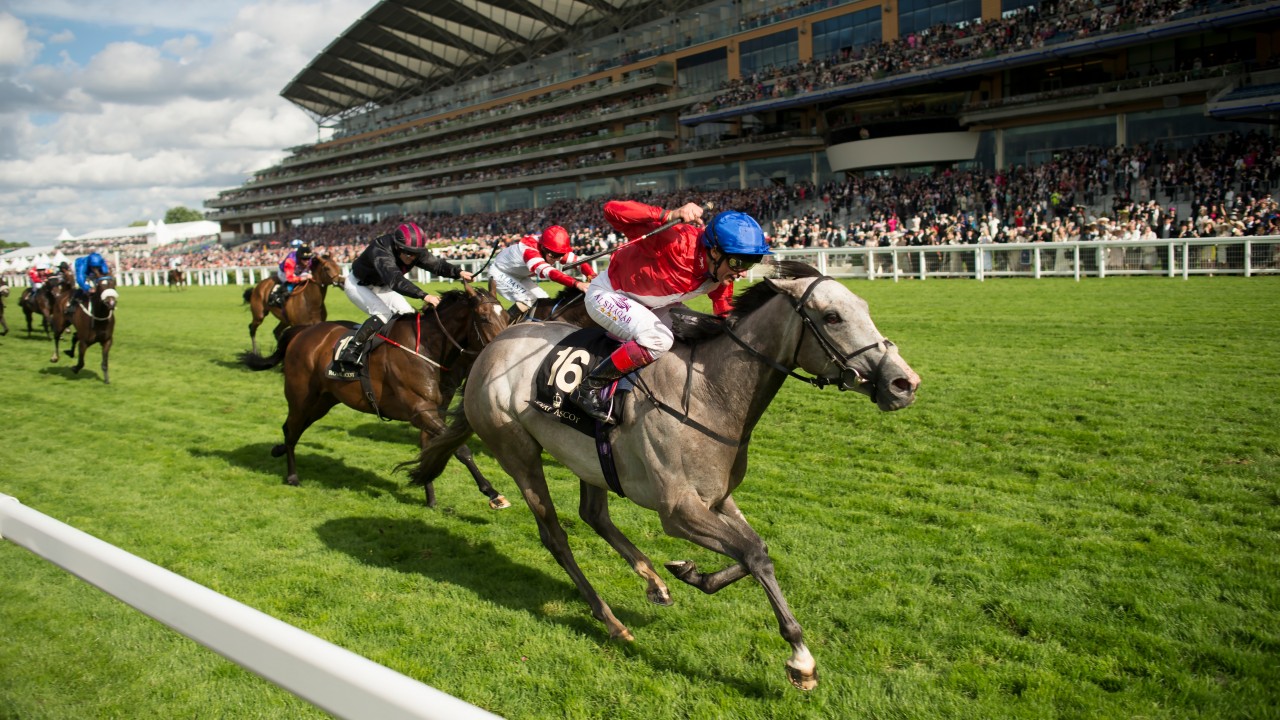

Royal Ascot Sprint Preview: Highfield Princess Focus
This expansion complements our existing Royal Ascot preview and gives deeper race-level analysis, betting context and practical advice for racegoers and bettors. Please note that gambling is for 18+ only and must be approached responsibly.
Form, Conditions and What to Expect at Ascot
King’s Stand day often delivers a compact, high-speed puzzle where draw, ground and early pace combine to decide outcomes quickly. Understanding those elements helps frame why Highfield Princess and her rivals present differing chances rather than absolute conclusions.
Highfield Princess: Seasonal Trends and Form Guide
Highfield Princess has shown clear patterning across seasons, improving through spring into summer and often peaking later in the year. Her profile as a six-year-old mare with proven Group form and a preference for race rhythm makes her an obvious reference point when assessing the King’s Stand field.
Recent comeback runs and historical Ascot performances should be read alongside ease of ground and tactical speed. She has been effective when allowed to lead or race prominently, and that positional versatility is vital in a compact five-furlong sprint where fractions matter.
Form Patterns: Age, Distance and Seasonal Peaks
Sprint form often favours sprinters in their prime between three and six years old, but older mares can maintain top speed if they carry form forward well. Look for horses with repeated five-furlong success and evidence of sharpening across successive runs rather than those returning after long layoffs without a prep run.
Key Rivals: Coolangatta, Dramatised and Cannonball
Coolangatta arrives as a three-year-old Australian raider with a fast Flemington profile, which translates well to firm 5f tracks but may be tested by Ascot’s turn and tighter run-in. Dramatised brings juvenile class and tactical speed from Karl Burke’s yard, while Cannonball offers raw pace and an Australian sprint template that has worked in past visiting runners.
Each rival brings different questions: Coolangatta’s adaptability to Ascot’s configuration, Dramatised’s handling of older company and Cannonball’s ability to cope with potentially firmer or quicker early fractions. Comparing recent sectional times and the nature of their wins gives a clearer frame for value assessments.
Trainer and Jockey Matchups to Watch This Week
Trainer tactics and jockey decisions are pivotal over five furlongs; regular partnerships and knowledge of Ascot’s choke points are advantages. Keep an eye on trainers who target this race specifically and jockeys who have a record of capitalising on early speed or timing a late surge on Ascot’s run-in.
Race Conditions: Ground, Trip and Track Suitability
Ascot’s five-furlong straight is unusual for British sprint specialists because of its shallow camber and short run-in, which can favour horses that hit top speed quickly. Ground conditions matter hugely; a drying course will favour strong-travelling speed, while softer turf can blunt quick-fire sprinters.
When assessing entries, compare horses’ past performances on Good to Firm versus softer going, and consider whether any runner has won over undulating or stiff tracks similar to Ascot. Weather forecasts and the official going report should influence market moves and staking decisions.
Responsible Betting Advice and Practical Tips
Gambling is for 18+ only and should be affordable and recreational, never a way to solve financial problems. Set limits, stake small percentages of a bankroll, and avoid chasing losses; these practices preserve enjoyment and reduce harm.
You can explore bookmaker offers through comparison tools if you choose to bet, and always check terms and conditions on promotional offers before committing. Our site provides comparison information to help users make informed choices without pressure or urgency.
Betting Angles and Market Dynamics for the King’s Stand
Market moves often reflect public memory, trainer declarations and late jockey changes, so watch early market prices for clues about perceived fitness or suitability. Value plays may emerge by contrasting raw odds with a horse’s running style and contextual race pace.
Consider combinations such as small each-way stakes on resilient horses, forecast plays where two logical pace types can fill the frame, and conservative singles when clear form patterns exist. Avoid complex liability when the market is volatile and favour simple, clear strategies aligned with your own research.
How to Read Historical Trends and Form Lines Effectively
Look beyond headline wins to examine sectional times, margins beaten, and speed maps that show likely pace distribution in the race. Historical trends at Ascot are useful but must be balanced with current-season form and changes in weight, equipment or declared tactics.
When interpreting form, give extra weight to runs over similar track conditions and against comparable opposition rather than to isolated impressive-looking victories. Small sample sizes in sprints can mislead, so seek corroborating evidence across two or more relevant runs.
Practical Race-Day Checklist for Bettors and Spectators
On race day, verify the official going, study arrivals and withdrawals, and note any equipment or stable notes published in the racecard. Confirm jockey bookings and take note of any late rain forecasts, as a change to softer ground can reshuffle chances significantly.
Keep stakes modest relative to your bankroll, use bookmaker comparisons for price checks, and avoid emotional stakes on favourites simply due to name recognition. A measured approach keeps the occasion enjoyable and sustainable.
Using Bookmaker Comparisons Without Pressure
Bookmaker comparisons are tools to find better odds, terms and customer offers, but they should be used as part of research rather than as an inducement to bet. Compare markets, check free bet terms and expiry rules, and consider cash-out policies if that affects your preferred strategy.
We list offers to help users make informed choices and to compare value responsibly; remember that an offer’s headline odds can hide restrictions, so always read the fine print. You can explore current bookmaker offers through our comparison tools if you choose to bet responsibly.
Race Scenarios and How They May Unfold
One likely scenario sees a hot early pace with closers capitalising on a tiring leader, while another favours a dominant front-runner fending off late challengers in a steadily-run race. Highfield Princess’s versatility means she can slot into either scenario depending on jockey instructions and early speed in the field.
Map scenarios by identifying probable pacemakers and those who typically race handy, then weigh which horses gain the most from scenario A versus scenario B. This approach allows you to size stakes relative to scenario likelihood rather than on headline form alone.
Quick Summary of Key Betting Principles for This Race
Prioritise ground form, recent sharpness, and clear tactical fit for Ascot’s five-furlong configuration when assessing runners. Use market moves and trainer notes as supplementary information rather than sole decision-making criteria.
As always, ensure any betting activity remains within pre-set limits, and seek support if gambling ceases to be enjoyable or becomes problematic.
You can explore our recommended bookmaker free bet offers on this page: BestOfBets free bets and bookmaker offers. You can also view current casino bonus offers for new customers on this page: BestOfBets casino bonus offers.
Frequently Asked Questions About King’s Stand Betting
Is Highfield Princess the clear favourite this year?
She may be the market favourite based on recent form, but favourites in five-furlong sprints are not guaranteed; assess suitability to Ascot’s layout and going first. Keep stakes conservative and avoid assuming a certainty.
How much does the ground at Ascot affect sprint form?
Ground can have a decisive effect; firmer turf usually benefits fast sprinters while softer ground can blunt early speed and favour stronger-staying sprinters. Check each runner’s record on similar going before placing stakes.
Should I consider overseas runners like Coolangatta?
Overseas runners often bring excellent form but must adapt to travel, local ground and racing rhythm; they can be strong each-way contenders if they handle Ascot’s specifics. Evaluate recent runs on comparable tracks and any acclimatisation notes.
What trainer and jockey trends matter for this race?
Experience targeting the King’s Stand, stable patterns for sprint targets and jockey records at Ascot are all useful indicators. Familiar trainer-jockey pairings and those who consistently place sprinters should be weighted into assessments.
How should bettors approach the market and value plays?
Identify discrepancies between a horse’s form and its price, favour simpler stakes like singles or small each-ways, and avoid complex liabilities in volatile markets. Use bookmaker comparisons to check where you can obtain the best available terms responsibly.
Where can I compare bookmaker offers and free bets?
Use reputable comparison tools that list terms, eligible markets and expiry rules to make informed choices; our comparison pages gather this information for convenience. Remember to read the small print on any promotional offer.
Are there safer staking methods for short sprints?
Conservative staking such as fixed-percentage bankroll rules, small each-way bets and limiting liability on multiples can reduce risk exposure. Maintain clear limits and never stake more than you can afford to lose.