

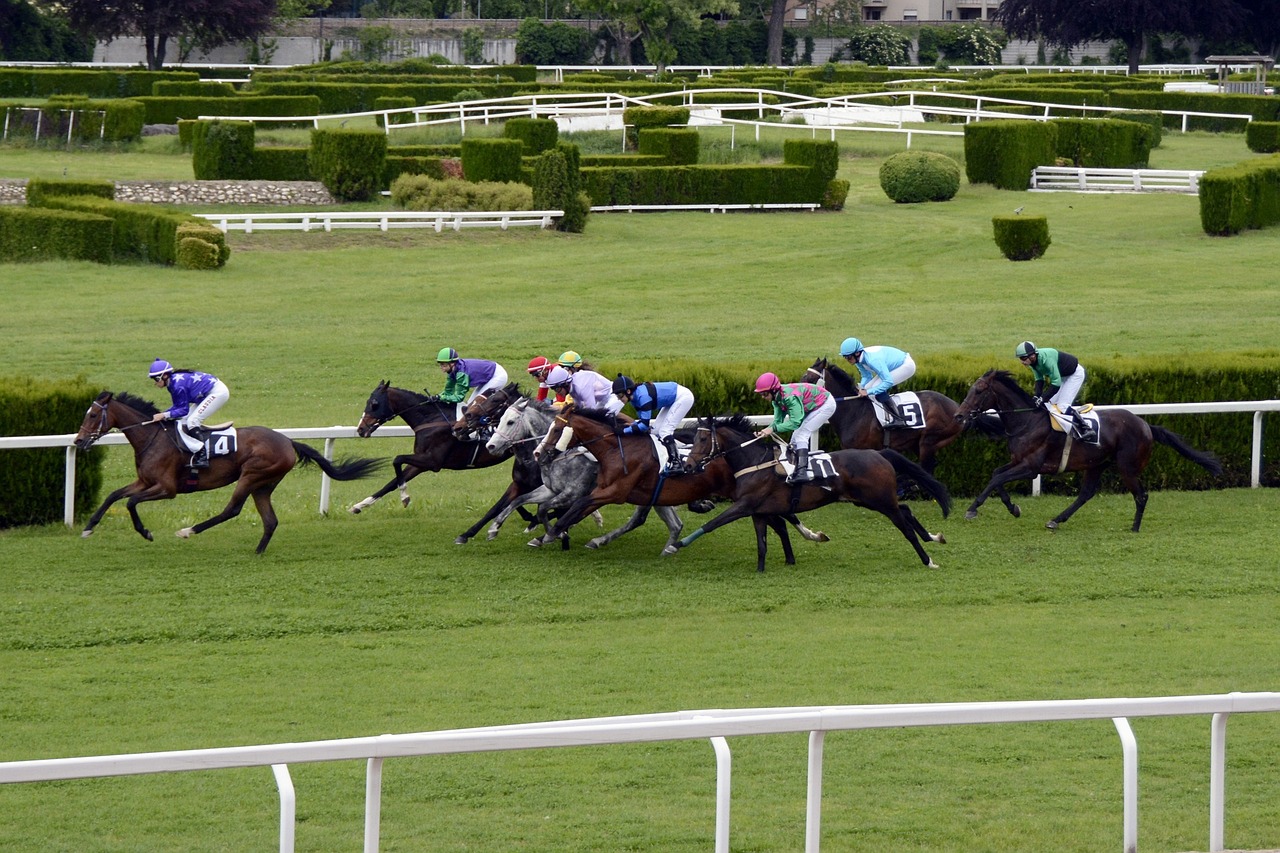

Best 20 Horse Races to Bet On — Betting Insights
This expanded guide complements our countdown of the best 20 horse races of all time for betting, offering practical advice for punters and historical context for each race listed above. It is written for readers aged 18+ and emphasises responsible gambling at every step.
How to Analyse Historic Races for Betting Value
Analysing historic races helps you understand which events typically produce close finishes, unexpected upsets or clear favourites, and why those patterns matter when comparing markets. Use past race conditions, horse form and race pace to inform future bets without assuming past results guarantee future returns.
Key Betting Markets and Odds Explained for Races
Most major races offer a consistent set of markets — win, place, each-way, forecasts, tricasts and various ante-post options — and knowing how each market pays is essential when estimating value. Bookmakers set starting prices and offer negotiated odds; comparing those across firms identifies where a small edge may exist.
Understanding Starting Prices and Bet Types Available
Starting prices (SP) reflect the market consensus at race time and are a benchmark for comparing early prices to later odds. Familiarise yourself with how bookmakers define place terms and pay-outs on exotic bets to avoid surprises when claiming winnings.
How In-Play Markets Change Race Betting Dynamics
In-play betting alters how punters react to unfolding race action, with live odds shifting rapidly after early pace or jumping errors. Use in-play markets cautiously and consider latency, market depth and bookmaker limits before staking significant sums.
Common Exotic Bets and When to Use Them Effectively
Exotic bets such as exactas, trifectas and same-race multis can offer large pay-outs but come with reduced probabilities, so allocate only a small portion of your bankroll to these markets. Consider box or banker strategies to control exposure while still targeting higher returns.
Staking Plans and Bankroll Management for Punters
Consistent staking plans help manage variance and preserve your betting bank through losing runs; simple percentage-based stakes are easier to follow than complex martingale schemes. Set a clear bank, use fixed or proportional staking, and never risk amounts that would cause financial strain.
Practical Rules for Long-Term Bankroll Health
Limit single-bet stakes to a small percentage of your total bank and regularly reassess after major wins or losses to maintain discipline. Avoid chasing losses and take breaks when your decisions are being affected by emotion rather than evidence.
Using Form, Course and Weather to Find Value Bets
Form lines, course bias and going descriptions are core inputs for assessing horse chances; a horse that thrives on heavy ground will rarely be a value bet on good ground. Combine these qualitative notes with quantitative factors such as recent speed figures and draw statistics for a rounded view.
Interpreting Jockey and Trainer Form Trends
Jockey-trainer combinations often have consistent patterns of success at certain meetings or distances and can be a reliable input when assessing a horse’s chance. Look for stable form cycles and jockey bookings that indicate a trainer’s confidence in a runner rather than following public hype alone.
Choosing a Reputable Bookmaker and Comparing Offers
Select bookmakers that are licensed in the UK, display clear terms and provide transparent odds, market depth and settlement policies. Comparing multiple firms before placing a bet lets you lock in the best available price and understand any restrictions or maximum limits.
How to Compare Odds, Limits and Markets Offered
Use odds comparison tools to check prices across the market at the time you intend to bet and be aware that prices can differ markedly between firms for ante-post and in-play markets. Consider account limits, max pay-outs and how quickly odds settle when choosing where to stake.
Checking Licensing, Security and Customer Support
Only use bookmakers authorised by recognised regulators such as the UK Gambling Commission and check for secure payment options and responsive customer support. Clear complaint procedures and user reviews offer additional reassurance about service quality.
Practical Tips Before You Place a Bet on Classics
Before staking, review each horse’s recent runs, trainer instructions, jockey booking and any equipment changes that could affect performance. Balance the numerical indicators with race-day intelligence such as trial reports and stable notes to form a rounded view.
Keep a simple record of your bets, stakes, odds and outcomes so you can analyse your decision-making and spot systematic strengths or weaknesses in your approach. Regular review is how experienced bettors refine methods and avoid repeating errors.
Responsible Gambling Guidance for Horse Racing Punters
Gambling is for 18+ only; it should be treated as a form of entertainment rather than a way to make money. If you choose to bet, do so responsibly by setting limits, sticking to a budget and seeking help if gambling becomes harmful.
Responsible Gambling Advice and Age Restrictions
Set deposit, stake and time limits with your bookmaker and use self-exclusion tools if you need to step away from betting for a period. If gambling causes distress or financial harm, contact support organisations such as GamCare or your local helplines for confidential advice.
Common Mistakes New Punters Make and How to Avoid Them
New bettors often overestimate the impact of a single tip or follow short-term hot streaks without a structured approach; consistent methods beat impulsive wagering over the long run. Avoid emotional stakes, don’t chase losses, and maintain realistic expectations about variance and hit rates.
Remember that historical examples and famous upsets are entertaining and instructive but do not imply a repeatable advantage; treat every race on its own merits and be disciplined with stake sizing. If unsure, paper-trade strategies first or use smaller stakes until you gain confidence.
Tools and Data That Help Inform Race Betting Decisions
Accessible tools include form guides, pace maps, speed ratings and trainer/jockey stats, while paid services can provide deeper analytics for those who want more granular insight. Combine multiple data sources to reduce bias and avoid relying solely on headline statistics.
When using data feeds, confirm how a provider calculates metrics and whether they align with the race types you follow, such as flat, jumps, or international fixtures. Cross-referencing multiple models often produces more reliable selections than any single indicator.
You can explore current bookmaker free bet offers through our comparison page for those 18 and over: BestOfBets free bets.
For new customer casino bonus offers from affiliated sites, see our dedicated page listing available casino bonuses: BestOfBets casino bonus.
Frequently Asked Questions on Betting Historic Races
Is betting on historic races the same as betting modern races?
Historic races provide context and patterns but modern races differ in training, nutrition and race scheduling, so use history as a guide rather than a direct predictor. Always evaluate the current form and conditions before betting.
What markets are best for beginners on big races?
Beginners often start with simple win and each-way markets to learn odds and settlement structures, then gradually explore place terms and small exotic bets. Keep stakes modest while you learn market characteristics and bookmaker differences.
How should I size my stakes for big events like the Grand National?
Staking should be proportional to your bankroll; many experienced bettors use a fixed percentage strategy to limit loss volatility. Never increase stakes after a losing streak in an attempt to recover losses quickly.
Can I trust bookmaker offers and free bets?
Bookmaker offers can provide value but read the full terms and conditions, including wagering requirements and max stake limits, before accepting any promotion. Treat free bets as a supplementary tool and not a path to guaranteed profit.
How important is weather when assessing a horse’s chance?
Weather affects ground conditions, which strongly influence many horses’ performance profiles; a proven mud-runner may improve on soft going while a fast-track specialist may underperform. Check going changes close to race time and adjust selections accordingly.
Where can I get help if I think I have a gambling problem?
If gambling becomes problematic, seek support immediately through recognised services such as GamCare, Gamblers Anonymous or your bookmaker’s helpline, and use self-exclusion if needed. Gambling is for 18+ only and help is available without judgement.
Do bookmakers always pay out fairly after race controversies?
Bookmakers settle according to their published rules and the racecourse’s official result; disputes are relatively rare but should be raised with the bookmaker first and escalated to the regulator if unresolved. Keep records of bets and communications if you need to lodge a complaint.
Are exotic bets worth the risk compared to simple win bets?
Exotic bets can offer higher pay-outs but require more accurate forecasting and therefore carry increased risk; use them sparingly and as part of a diversified staking plan. Treat exotic bets as a separate sub-bank within your overall bankroll to manage exposure.