

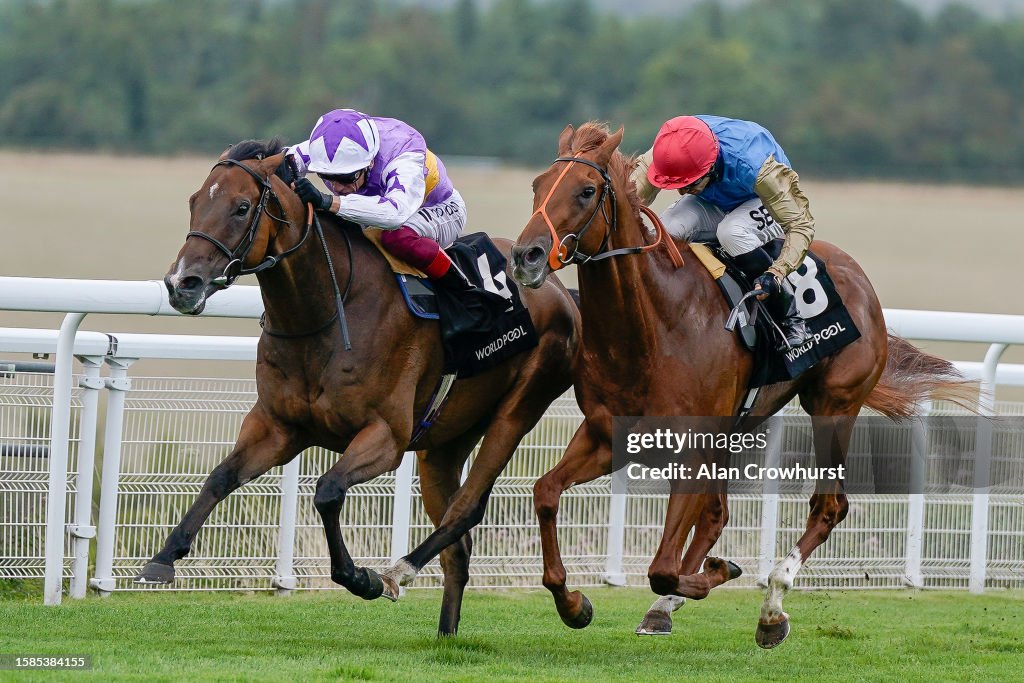

Betfred Park Stakes preview: Kinross targets York glory
The Betfred Park Stakes at Doncaster brings a competitive ten-runner field where Kinross looks to reassert himself against a mix of promising three‑year‑olds and seasoned older horses.
All readers should be 18+ and gamble responsibly; betting should be for entertainment and never seen as a way to make money or solve financial problems.
Form, conditions and key betting considerations
Recent form lines, prevailing ground and the absence of Sandrine change the race dynamic and how each runner is likely to be deployed on the track.
Checking official declarations, race-day ground reports and small-field pace maps will help inform any decisions, and you can compare bookmaker pricing and market movement to find the most informative odds available.
[1.4]
How the soft ground could shape the Park Stakes
Doncaster’s quick changeable weather can turn a good surface into a testing one and that will influence runners differently depending on their action and previous performances.
Kinross has shown he handles cut in the ground before, while younger horses may either relish or struggle with a softer deck; form on similar going should be weighted accordingly.
Comparing Kinross and Lead Artist’s recent form
Kinross brings a record of high-class wins at seven furlongs and a history of consistency in Group company, whereas Lead Artist arrives with momentum from a recent victory and two strong seasonal efforts.
Veteran form, recent targets and the relative freshness of each horse are useful indicators when assessing which is likely to peak on the day.
Where value might appear in the betting market
Value is typically found by identifying horses running below their true level or those with one less obvious weakness than the market assumes.
Al Shabab Storm, for example, is a progressive type whose winning run this season suggests he could be underestimated by bookmakers against older rivals.
Trainer and jockey influence to watch this weekend
Ralph Beckett, Andrew Balding and the Gosdens are trainers who place winners in similar contests and their strike rates at Doncaster and in Group races add context to each runner’s probability of success.
Jockey bookings — such as Frankie Dettori’s known ability to produce a decisive move in big races — are another factor to weigh alongside recent partnerships and course experience.
Pace setup and how it could help closers
If a strong early pace develops, it will open the race up for horses that come from off the pace and possess a good turn of foot between three and two furlongs out.
Analysing declared tactics and the draw should help identify which runners are likely to get a cover ride and which may have to lead, affecting their finishing position.
Which three-year-olds are likely to offer value
Three-year-olds carrying less weight or improving rapidly speed up through the season and can offer value when matched against older foes whose form is in decline.
Al Shabab Storm’s progression this year and Lead Artist’s ascent from maiden and conditions company illustrate the type of three-year-olds to monitor for value backers.
How track bias at Doncaster affects race shape
Doncaster can display a bias depending on rail position and going; inside draws can be an advantage in some scenarios while the wider side of the track helps in others.
Race-day observation and past trends from the meeting are useful when judging which stalls are preferable for each running style.
Race tactics, handicapping angles and final thoughts
Handicapping the Park Stakes requires balancing course experience with recent pattern-race exposure; a horse returning to its best on suitable ground is often the biggest threat.
Consider form against similar opposition, trip suitability, and whether a horse’s seasonal targets suggest it is being set for this contest or using it as a stepping stone.
Key tactical scenarios and likely race developments
Expect a tactical battle between pace-setters and those held up for a late run, with jockeys needing to judge the tempo carefully to avoid being outstayed or left with too much to do.
Monitor declarations closely for any late jockey changes and for notes on intended tactics that can shift how you view each horse’s chance.
How to use form lines and course history effectively
Prioritise recent runs against similar standard rivals, note distances where horses have shown their best work and adjust for any known seasonal improvements or declines.
Course and distance records at Doncaster and York can be particularly informative for seven-furlong contests with a blend of sprint speed and stamina needed.
Using weather and track reports to refine selections
Rain can expose horses with a heavy action or those that need a flat surface to fire, while quicker going tends to favour sharp, speedier types.
Keep an eye on official going descriptions and late scratches which can materially alter the betting picture and the race tempo.
Responsible betting guidance for Park Stakes backers
Set a budget before you consider the market, avoid staking to chase losses and treat any wager as entertainment, not income or investment.
If you have concerns about gambling, seek help and use bookmaker tools such as deposit limits, self‑exclusion and reality checks to stay in control.
Frequently asked questions about the Park Stakes
What is Kinross’s best ground and form indicators?
Kinross has shown he handles a range of going but historically performs well on good to soft surfaces and in strong seven‑furlong contests.
Look for recent runs where he has beaten quality rivals and for trainer notes indicating readiness to return to peak fitness.
How does the absence of Sandrine affect betting?
Sandrine’s absence removes a major reference point and may lengthen the market for some connections while improving others’ chances on paper.
Bettors should reassess market leaders and watch how price shifts for horses like Kinross and Lead Artist in the day’s markets.
Are there likely pace bias advantages at Doncaster?
Pace bias depends on draw and field composition; a strongly run race can favour those held up for a late effort while a slow early tempo helps speed horses hold on.
Examining similar recent seven‑furlong heats at the meeting provides useful context for pace expectations.
Which outsiders could offer value in the Park Stakes?
Outsiders with recent progressive form, an improving profile at seven furlongs, or a favourable trainer/jockey combination are the most likely sources of value.
Review horses such as in‑form three‑year‑olds or older types returning to preferred conditions when looking for value propositions.
What role do trainers like Ralph Beckett play?
Top trainers bring patterns of placement, conditioning and race targeting that can lift a horse’s chance and are useful indicators for market confidence.
Past success at the track and in similar Grade company is worth factoring into assessments of each trainer’s runner.
How should bettors manage stakes and risk here?
Stake plans based on confidence levels, with small percentages of your betting bank per wager, help manage risk and avoid emotional responses to losses.
Use bookmaker tools and set limits, and remember that no bet is guaranteed — treat wagering as entertainment only.
Where can I compare bookmaker offers and free bets?
You can compare current bookmaker offers, odds and free‑bets across the market using BestOfBets’ comparison tools to find the best available options for new and existing customers.
Always check terms and eligibility before placing a bet and use offers responsibly as part of your wider strategy.
Explore our comparison of top bookmakers and free bets to see current new‑customer promotions and odds. See our casino bonus page for details of casino offers and bonus terms for new customers.