

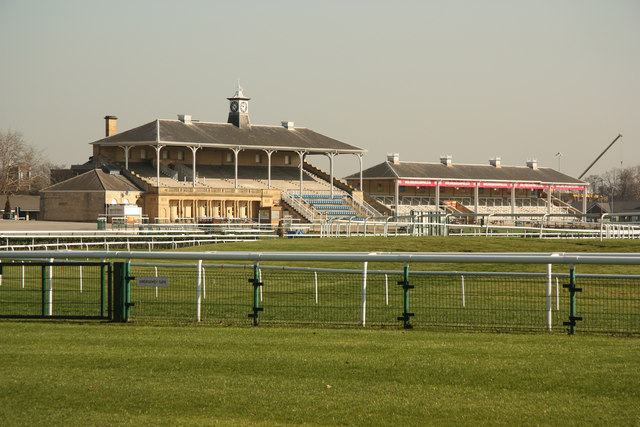

Doncaster St Leger Festival Day One Preview & Tips
The first day of the St Leger Festival at Doncaster brings a mixture of juvenile sales races, pattern contests and staying fillies’ action that reward close form reading and an eye for pace, ground and breeding; this preview expands on the key races you already see on the card with targeted notes on pace maps, trainer and jockey angles and sensible betting approaches. Please note that betting is 18+ only and any references to offers or bookmakers are informational; gamble responsibly and avoid treating betting as a way to make money or a solution to financial problems.
Form, Ground and Market Moves To Consider Today
Across the Scientific 2-Y-O Stakes, the May Hill, Park Hill and the Pertemps handicap, the interplay of recent form, ground preference and market support will be central to assessing value and likely finishing positions, so read these expanded notes in conjunction with the existing race commentary on the page. This guidance is editorial and for information only; you can explore bookmaker comparisons if you choose to bet responsibly, and affiliate links on this site may be present for convenience rather than endorsement.
Scientific 2-Y-O Stakes: Key Form Notes and Pace
When assessing the Scientific 2-Y-O Stakes, identify horses that have already shown they handle York and similar fast, pace-favouring tracks, because the race tends to favour those who have encountered a strong tempo previously and can quicken in the closing stages; look at recent sprints and sales race form when building speed maps and comparing sectional data. Caburn’s Gimcrack and Newbury Super Sprint form marks him as a player on good ground, with his prior races suggesting he wants solid tempo to exploit a closing run, while other runners dropping from group level will need to prove they can handle the physicality of sales-race tempo.
May Hill Stakes: What Makes January a Contender
January’s profile as a May Hill contender rests on the combination of proven Listed form, a strong pedigree for a mile and early-season form that translates to pattern races; the fact she has a Listed win and a favourable rating makes her a logical selection where stamina for a mile and a good cruising speed are required. Keep an eye on the market for fitness clues and jockey bookings, because connections showing confidence with a positive ride often indicate a targeted campaign rather than a speculative entry into Group company.
Park Hill Stakes: Distances, Weights and Trends
The Park Hill at 14 furlongs often rewards proven stamina and an ability to handle diverse ground, with three-year-old allowances frequently adding a competitive twist when placed against older fillies and mares; check each runner’s form over extended trips and how they performed when asked to sustain gallops beyond 12 furlongs. Night Sparkle’s narrow defeats over the trip suggest she has the stamina and turn of foot to capitalise if placed near the pace, while mares improving at this distance under a positive ride can outrun their prices if the tempo collapses.
Pertemps Handicap Analysis: Handicap Form To Watch
For the Pertemps Network Handicap, consider horses dropping from pattern engagement who find a fair mark in open company and runners with proven 10-furlong handicap form on sound ground, because a slight step down in trip combined with a moderate weight can unlock improvement. Harper’s Ferry’s switch from a Royal Ascot Group Two into handicap company is a typical pattern to watch, and assessing how a horse handled stronger company gives context to its handicap mark and whether current weight allows a genuine chance.
York and Sales Race Form: Why It Matters Here
Doncaster sales races and handicaps often feature runners who have fared well at York or in big sales events where the intensity of pace and race shape is similar, so placing extra value on past runs from York, the Ebor meeting or key two-year-old sales events helps separate horses who act in this style from those who will struggle with the tempo. Buyers and pinhooking strategies can mean early-season form is strong evidence of ability, but always check for ground and trip suitability before projecting improvement into pattern company.
Comparative Speed Figures And How To Interpret Them
Speed figures and sectional data should be used as context rather than absolute truth, aiding comparisons between how horses closed their races, where they were positioned relative to pace and whether their times came on testing or quick surfaces; combine figures with visual pace maps and form lines to build a rounded race picture. Look for consistent closing figures over similar trips and note when figures were achieved against markedly different ground, because raw numbers can mislead without that context.
Trainer Form Lines: Aidan O’Brien And Others To Note
Trainer cycles and stable form influence performance trends throughout a festival, and high-volume yards such as Aidan O’Brien’s often produce targeted entries who perform up or down the card; understanding which trainers prioritise staying races, juvenile sales contests or pattern events on a given day helps refine selections. Grateful’s run and tactics changes under Aidan O’Brien illustrate how a route to success can be tactical rather than reliant solely on ability, and three-year-old allowances or race placement often reflect sophisticated planning by connections.
Jockey Bookings: How Choices Shift The Market Odds
Top jockeys taking rides in key races is not just prestige; it conveys planning and commitment from connections and sometimes affects market prices, particularly where a jockey has a history of delivering late-race positioning or handling front-running rides in similar races. Ryan Moore electing to ride Ecstatic is a reminder that booking patterns should be combined with race pace and the likely run style to assess whether a preferred rider is getting the best possible chance to influence the finish.
Speed Map Insights: Pace Scenarios For Each Race
Building a speed map for each contest helps anticipate whether closers will have the daylight they need or whether a strong early tempo will set up the race for sustained finishers; consider the number of true front-runners, rail draw implications and which stables typically send horses forward to dominate from the front. In the sales race, a strongly run heat will favour horses with proven turn-of-foot on testing sections, while in the Park Hill a steady early gallop often becomes a stamina test late on.
Market Watch: How Prices Reflect Risk And Potential
Markets usually encode recent form, jockey confidence and trainer intent, so sharp moves or heavy drift ahead of the off should be noted as potential pointers to late information such as ground preference, minor setbacks at the parade ring or stable confidence. Traders and bookmakers balance liability and likely sources of money, so deliberate price movement may reflect sensible evaluation rather than simple hype; use market context to re-assess value rather than chase headline odds.
Trainer and Jockey Angles That Could Influence Racing
Some trainers send horses to Doncaster with a clear route mapped out for the season, and those yards often have patterns such as preferring front-running tactics or waiting for horses to step up in trip, which can be key when matching a mount to the race’s likely shape. Jockey partnerships with trainers and past success at Doncaster should be factored into race plans, especially when marginal differences separate runners on paper.
How Track Conditions Affect Young Horses’ Form
Two-year-olds can be markedly affected by wind, firmness or cut in the ground since early-season races often reveal their surface preferences, so comparing their runs on soft versus good ground and checking how they looked physically when challenged gives true insight into likely improvement. Sales races on quicker ground can favour speedier types, while juveniles with stamina in their pedigree may improve on less quick surfaces as they learn to settle.
Responsible Betting Advice And Practical Bankroll Tips
Set a staking plan that limits exposure relative to a personal entertainment budget, avoid chasing losses and treat any stake as payment for entertainment rather than an investment, because betting carries risk and outcomes are uncertain; if you feel betting is becoming a problem, use tools such as deposit limits, time-outs and self-exclusion available from licensed operators. This site is 18+ only, offers responsible guidance and links to bookmaker comparisons are informational rather than an encouragement to increase risk.
Using Bookmaker Comparisons To Find Best Value
Comparing prices, sign-up offers and terms across bookmakers can help identify where you may extract marginal value without increasing stake sizes, but always read T&Cs and check withdrawal and eligibility criteria to ensure an offer suits your needs. Comparison tools on trusted sites can speed up the process and reveal differences in how firms treat voiding rules, place terms and market coverage for in-running options.
Understanding Weight, Distance And Stamina Requirements
Assess the impact of weight for age, three-year-old allowances and penalty marks on each race, because small differences in assigned weights can translate to several lengths over staying trips and influence which horse is favoured by the draw or pace. Horses stepping up from shorter distances need to show stamina indicators in their pedigree or running style to be credible over extended trips such as the Park Hill, and proven staying form should be prioritised where stamina is essential.
Two-Year-Old Debuts: Signals For Future Handicaps
Debut performances should be read for physical maturity, how well a juvenile handled pressure and whether it finished strongly rather than merely winning, because many future handicappers emerge from solid debut efforts that showed stamina and temperament as much as speed. The sales race winners often have more to offer later in the season when trainers aim them at nursery handicaps or similar events once their handicap marks are set.
In-Running Options And When To Consider Them Safely
In-running betting can offer value if you can identify races likely to change shape or where a favourite may struggle on the day, but approach in-running markets with strict limits and only where you understand pace and stamina interactions for the specific contest. Use in-play only with bookmakers you trust, set pre-determined stop-loss levels and never increase stakes after a sequence of losses in-play.
Reading Official Ratings And What They Tell Punters
Official Ratings provide a starting framework for comparing horses across different races and trips, but they are not absolute and should be measured against recent form, weight carried and the context of previous races; look for horses running below their peak mark who may be regaining form or those whose recent improvement has yet to be fully reflected in their handicap. For pattern races, ratings are useful to understand class gaps, but on-the-day factors like ground and break of stride can override nominal numbers.
Why Sales Races Produce Future Handicap Stars
Sales races bring together current ability and potential, often featuring horses who have attracted investment and will therefore receive targeted training and placement as they progress into handicaps, making these contests good hunting ground for future improvers. Connections who buy with long-term potential in mind frequently place horses where their speed and temperament can be showcased to maximise sale value, and those same horses often return to handicaps with improved form and confidence.
Legal, Age And Responsible Gambling Guidelines For Readers
All gambling content on this site is intended for adults aged 18 or over, and we urge readers to check their jurisdictional rules, gamble responsibly and make use of self-help tools offered by licensed operators if required; betting should never be used to address financial difficulties or as a means of earning income. If you or someone you know is affected by gambling harm in Great Britain, contact organisations such as GamCare for confidential support and guidance.
You can explore current bookmaker offers and compare free bets and welcome deals on our dedicated comparison page if you choose to bet responsibly: bestofbets.com/free-bets. Our casino bonus page lists offers from affiliated casino partners with their welcome bonuses for new customers: bestofbets.com/casino-bonus.
FAQ: What should I look for in juvenile sales races?
Check prior runs at York or similar tracks, look for finishing speed and how the horse handled a strong early tempo, and consider pedigree for future trips; always confirm ground suitability before backing. Remember betting is 18+ only and approach early-season juveniles with small, disciplined stakes.
FAQ: How does ground affect Park Hill hopes?
Staying fillies often handle a range of ground, but soft conditions can expose lack of stamina and very firm ground can disadvantage horses who stay on; focus on form over similar surfaces when assessing contenders. Gamble responsibly and avoid assuming conditions will mirror past results exactly.
FAQ: Should I back horses dropping from pattern company into handicaps?
Dropping from pattern races can be positive if the handicap mark represents a realistic chance and the horse is well drawn or receives a suitable ride; evaluate the reason for the drop and how the horse performed against stronger rivals. Use bookmaker comparisons to find the best price but don’t increase stake sizes to chase value.
FAQ: How important are jockey bookings at Doncaster?
Jockey bookings often indicate intent and can change market perception, particularly when a top rider switches to a horse with a compatible running style; use bookings as part of your overall assessment rather than the sole reason to bet. Keep stakes sensible and within your bankroll limits.
FAQ: Can I use in-running markets to improve returns?
In-running can offer tactical value, but it requires quick judgment, strict staking discipline and an understanding of pace; only use in-play with preset limits and on bookmakers you know well. Never chase losses and treat in-play as high-risk entertainment rather than a guaranteed profit method.
FAQ: Where can I find up-to-date market changes and offers?
Use the free bets comparison page to view current bookmaker prices and promotional terms, and always read the offer terms to ensure eligibility; markets can shift rapidly so consult live odds before placing a bet. Links on our site may include affiliate referrals and are provided for convenience rather than encouragement to increase liability.
FAQ: How do I manage my betting responsibly during a big festival?
Set daily and event limits, agree a staking plan ahead of time and avoid impulse increases after wins or losses; treat betting as entertainment and seek help if it becomes problematic. All users must be 18+ and consider using operator tools to control spending and access.