

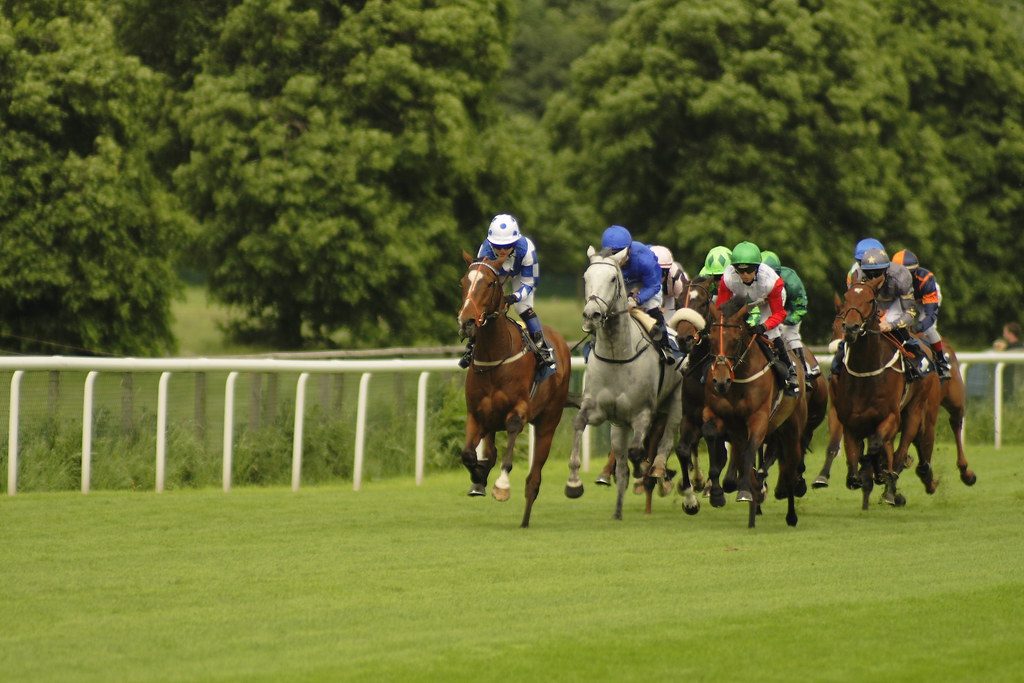

Weekend Horse Racing Preview and Ascot Fancies
This expanded preview complements the existing race commentary and provides extra context on form, betting strategy and what to watch ahead of Ascot. Please note that all betting is for those aged 18 and over; gamble responsibly and only stake what you can afford to lose.
Key Trends, Jockey Form and Trainer Insights
Understanding recent strike rates, ground preferences and trainer targets helps to separate short-term noise from reliable trends when assessing fancies for Royal Ascot. The analysis below aims to give practical pointers for reading form and choosing plausible each-way plays without promising outcomes.
[1.4]
Why Ballydoyle’s Royal Ascot entries deserve attention
Ballydoyle traditionally brings a strong, well-prepared team to Ascot and their entries often reflect targeted campaigns rather than speculative entries. When connections show consistency in placements and progressive runs, that targeted planning can be a genuine angle to assess value in ante-post markets.
Interpreting recent jockey strike rates and trends
Jockey strike rates should be read alongside the types of races they are riding in and the horses they are partnered with, not viewed in isolation. A high strike rate with a leading stable may indicate selective riding opportunities rather than sheer superiority across all classes.
Bertinelli’s Newbury win and 16/1 value examined
Bertinelli’s staying finish at Newbury over a trip a shade further than ideal suggests a combination of stamina and a turn of foot that could be well suited to the King Edward VII trip if the ground plays fair. The current 16/1 looks attractive only if you factor in potential non-runners and how his profile matches the race conditions on the day.
Assessing each-way strategies for big-field handicaps
Each-way staking makes sense where there are many plausible closers and the bookmakers pay out on multiple places; decide stake sizes based on strike rate expectation and book value rather than emotion. Using a consistent staking plan and limiting exposure across multiple horses reduces the risk of over-commitment in big fields.
Frankie Dettori’s Haydock ride and Equilateral outlook
Frankie Dettori’s recent rides are mixing sentimental interest with real tactical skill, and his booking on Equilateral adds racecraft to a horse with decent recent form on quicker ground. Evaluate Equilateral’s record on similar going and the likely early speed map at Haydock before committing to an each-way play.
Practical tips for following form and race cards
When scanning race cards, focus on recent races at comparable class and distance, rider changes, and whether the horse has been raised in trip or dropped back; those shifts often signal how trainers intend to target a race. Cross-check trainer notes and declared entries close to race day to account for late withdrawals that affect market value.
How ground, draw and form influence sprint outcomes
Sprint races are particularly sensitive to ground and draw where a fast early move can win or ruin chances depending on bias and rail position, so study course-specific statistics where available. Form lines are more reliable when supported by multiple runs under similar conditions rather than a single standout performance on unusual ground.
Assessing pace scenarios and race shape implications
Map out the likely pace of a sprint to understand whether a hold-up horse or a front-runner has the advantage; this prediction can change your perceived value and staking approach. Trainers often place horses to exploit expected pace patterns, so recent comments and jockey choices can reveal intended tactics.
Preparing for Royal Ascot: what to monitor this week
With Ascot just under two weeks away, watch for declarations, final confirmations and any changes in intended targets from top yards as they refine entries, since these moves alter ante-post value materially. Keep an eye on ground forecasts and early morning reports from racing journalists because subtle shifts in surface conditions will change the profile of likely winners.
How to manage ante-post commitments and bankroll control
Ante-post markets can offer attractive prices but require discipline around stakes since forfeits apply on non-runners; only allocate a fixed portion of your betting bank to ante-post selections. Use smaller unit sizes for speculative ante-post punts and reserve larger units for horses that confirm into races with favourable conditions.
Trainer targeting and forward-planning signals to read
Identify trainers who regularly aim specific horses at Ascot patterns and look for repetition in campaign structure such as a prep race followed by a measured step up in class. Such patterns indicate that a horse is on a clear path to a target meeting, which can create betting opportunities if market forgets the intent.
How bookmakers price favourites and longshot opportunities
Bookmakers balance liabilities across markets, so large books often shorten favourites while leaving longer priced runners value in cases of thin betting support or expected non-runners. Comparing prices across firms highlights where weight-of-money or lack of market attention creates softer odds worth investigating.
Simple metrics to build a race-selection checklist
Create a concise checklist covering recent form, trip suitability, ground preference, trainer/jockey combination, and likely pace to make quicker, more consistent selections on race day. Keep the list to five to seven items so it remains usable under time pressure rather than becoming an impractical laundry list.
Using bookmaker comparison tools to find best prices
Comparing odds and promotions across firms is a core habit for value hunting and ensures you’re not leaving margin on the table when backing a selection. You can explore current bookmaker offers through our comparison tools if you choose to bet responsibly and want to compare prices before placing a bet.
You can compare current bookmaker free bet offers at BestOfBets to see what promotions are available if you choose to bet responsibly: https://bestofbets.com/free-bets.
For those also interested in casino bonuses, our listings of casino welcome offers are available for review at https://bestofbets.com/casino-bonus.
Common questions on Ascot fancies and betting safety
How to judge real value in each-way horse bets
Judge value by combining the horse’s realistic place chance, the number of places paid by the bookmaker and the odds available, then size stakes accordingly. Never treat odds as predictions of guaranteed returns and always use a staking plan aligned with your budget.
Key factors to consider when choosing Ascot fancies
Focus on recent form at similar distances, trainer targets, ground preference and the horse’s closing speed relative to likely pace; these elements together give a clearer picture than any single form line. Avoid emotional betting based on names or reputations alone.
Is trainer form more important than jockey form today?
Both matter but in different ways: trainer form often reflects stable-wide preparation while jockey bookings reveal tactical intent and trust in the horse; weigh them together when forming an opinion. A strong trainer-jockey combination increases confidence but does not guarantee success.
How do ground conditions change short sprint race outcomes
Sprint performances can vary sharply with ground; firm ground typically favours speed whereas softer surfaces can advantage stamina or those who finish strongly. Check course-specific records because some tracks develop biases that favour particular running styles on certain going.
Following ante-post tips while managing betting risk
Limit ante-post exposure to a fixed percentage of your total bank and treat these bets as speculative entries rather than bank-building strategies. Accept the non-runner rules as part of ante-post wagering and size positions conservatively to preserve capital for confirmed races.
Responsible gambling steps to take before placing bets
Set a clear budget, use time and loss limits provided by bookmakers, and never chase losses; treat betting as entertainment rather than a source of income. If betting causes harm, seek support from organisations such as GamCare or use the tools available from operators to self-exclude.
How to use bookmaker comparisons for value and offers
Compare odds, terms on free bets, and each-way place terms to identify where you receive the best value for a given selection, and verify any minimum stake requirements or wagering conditions before accepting an offer. Use multiple account options responsibly and do not let promotional incentives drive irrational staking choices.