

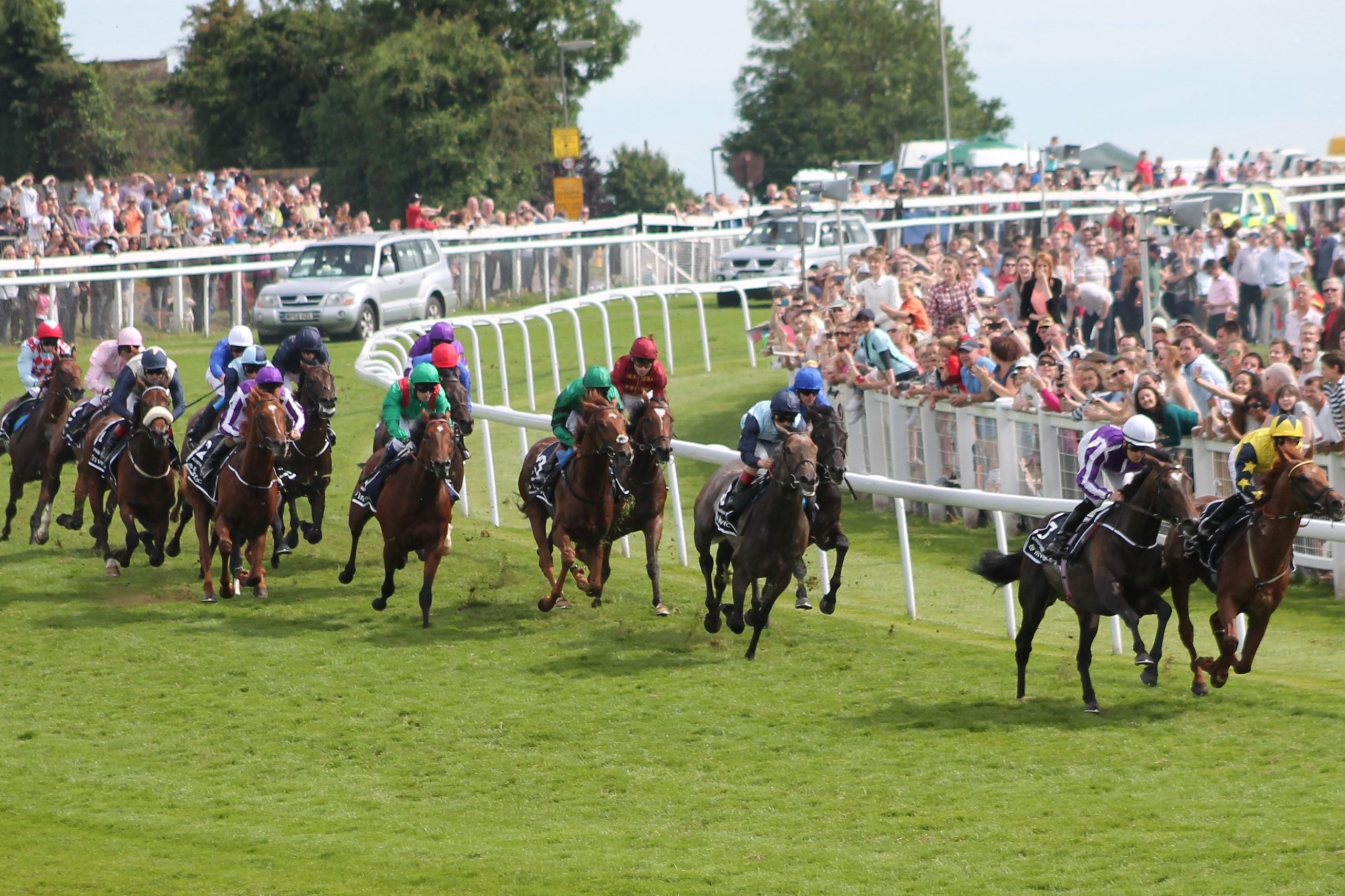

Royal Ascot Day Four Tips, Analysis and Betting Guide
How to use today’s tips and manage your stakes responsibly
This guide expands the Day Four selections with practical context for form, ground, pace and value while reminding readers that betting should be for entertainment and those under 18 must not bet.
Always set a budget, stick to sensible stakes and treat tips as information rather than a promise of returns; explore bookmaker comparisons and offers only if you choose to bet responsibly.
Albany Stakes preview: Soprano form and factors
Soprano’s Newmarket debut and known turn of foot make her an interesting proposition in a crop that lacks stand-out juveniles, but pace, draw and early speed match-ups will be decisive in a six-furlong dash.
Look for how connections choose to ride her, whether she is held up for a late run or ridden prominently, and consider her ticket as an each-way punt where odds and market confidence align.
How form, ground and draw influence sprint races
In short juvenile sprints recent form should be weighted by the manner of victory and the ground on which it was achieved, since many two-year-olds improve markedly between runs.
Pay attention to draw bias at Ascot on the day and how the likely early fractions suit horses with proven speed versus those who need to pick up.
Duke Of Edinburgh Stakes: Aimeric’s strengths explained
Aimeric’s recent wind and gelding operation followed by a winning return suggests a horse with improving rhythm, and his stamina mix gives him a genuine chance over a mile and a quarter in this contest.
Assess his ability to handle Ascot’s track and the handicapper’s four-pound rise; if he can maintain progression he represents a selective winning bet or a modest each-way investment depending on market pricing.
Assessing trainers, jockeys and recent Ascot records
Roger Varian’s patterns, stable form and jockey bookings provide context to a horse’s prospects, so review how the pairing has performed on similar courses and distances.
Trainers often target Royal Ascot with specific prep races; noting recent Ascot placings and form lines against similar-rated rivals will help refine selections.
Sandringham Stakes assessment: why Jackie Oh appeals
Jackie Oh carries a strong flat pedigree and recent Group 1 experience that suggests she can outrun her handicap mark if given a positive ride, while the weight she carries reflects her class.
Her liking for better ground and the fact she handled a big step up to Group 1 company without being overawed are positives that can justify a win stake where value exists.
Practical staking plan and each-way considerations
Decide on stakes before raceday and split your bankroll into units; for competitive handicaps an each-way slice often offers the most balanced exposure when prices are fair.
Reserve larger win stakes for clear class advantages and apply smaller, conservative stakes to longer-priced speculative selections.
Palace of Holyroodhouse Stakes: Rocket Rodney case
Rocket Rodney’s Group-level form last season and favourable drops in the handicap make him an eye-catching each-way contender, particularly if the draw and ground suit his running style.
Ignore isolated poor runs on unsuitable ground and instead focus on seasonal prep, course record and how he arrives in the market relative to known rivals.
How to use bookmaker comparisons for better value
Comparing odds across multiple firms can materially affect long-term returns, and shopping around for the best price or enhanced each-way terms is a practical habit for value-seeking bettors.
Use reputable comparison tools to check price movement, early market confidence and whether a slight change justifies an adjusted stake.
Other noteworthy fancies and race context for the day
Little Big Bear, Shaquille and Arrest are named as other fancies and serve as useful alternatives in different races, so monitor markets for late money and jockey switches which can influence odds and perceived chances.
When building multi-race plans, prioritise liquidity of the market, availability of enhanced each-way offers and whether the expected ground is consistent across your selections.
How race day conditions and weather can change plans
Royal Ascot weather can alter going reports quickly, so re-evaluate selections if rain arrives and be ready to shift to horses proven on softer ground.
Consider contingency bets or reduced stakes where the forecast introduces significant uncertainty to your planned wagers.
Reading market moves and spotting betting value
Market moves before race time often reflect inside confidence, jockey bookings or late declarations, so look for horses that shorten markedly without obvious public reasons.
Value is not only about the biggest price but about a rational relationship between chances and odds; back horses when the price overestimates the market’s view of risk.
Using statistics and pace maps to refine selections
Pace maps and sectional data help identify whether a horse will get a ground-saving trip or be vulnerable to a strong early pace, which is especially important at Ascot where straight-track sprints can favour certain styles.
Combine raw form with split times and past race comments to build a picture of how each horse is likely to run and where a race can be won or lost.
Bankroll management and record keeping for long-term learning
Keep a simple stake log, record outcomes and review which angles work over time; disciplined record keeping turns ad hoc tips into a growing understanding of what strategies suit your profile.
Allocate only a small percentage of your recreational budget to each day’s betting and avoid chasing losses after a poor run of results.
Responsible betting reminders and legal notes for readers
BestOfBets content is intended for readers aged 18 and over and aims to inform rather than encourage irresponsible behaviour; betting should never be used to resolve financial concerns.
If gambling stops being fun, seek help through recognised support services and consider tools such as deposit limits, time-outs and self-exclusion to stay in control.
How to follow live updates and final confirmations
On raceday final confirmations, non-runners and jockey changes will affect markets, so consult official racecards and live feeds before placing late bets to avoid surprises.
When possible, use bookmakers that publish real-time market odds and allow quick bet placement to reflect the most accurate pricing.
Integrating football and racing insights for varied readers
While this page focuses on Ascot sprint and middle-distance analysis, many readers follow both football and racing; apply the same value-seeking principles across sports by prioritising sensible staking and market research.
A clear pre-bet checklist for any sport—verify form, check conditions and shop odds—reduces impulsive wagering and protects your bankroll.
Final summary and practical checklist before placing any bets
Review form lines, confirm ground and draw, check trainer and jockey news, compare odds across bookies and apply a pre-determined stake size before putting a bet down.
Remember that all betting carries risk, there are no guarantees, and any stakes should be affordable and recreational.
You can explore current bookmaker offers and compare free bet promotions on our dedicated page if you decide to browse responsibly: BestOfBets free bets.
For readers interested in casino bonuses, see our curated list of casino welcome offers and terms here: BestOfBets casino bonus.
Can I use these tips for each-way betting strategy?
Yes; several selections are noted as each-way plays in the original piece and each-way stakes suit many Royal Ascot handicaps where placing returns are realistic.
What stake sizes should I consider at Royal Ascot?
Stake sizes depend on your personal bankroll, but a unit-based plan where each unit is a small, affordable fraction of your total recreational budget is a sensible approach.
How important is ground and draw for sprint races?
Ground and draw can be decisive in sprints; horses that have shown form on similar going and that benefit from a favourable draw have a measurable advantage.
Are these selections suitable for novice bettors?
The selections provide clear angles but novice bettors should start with small, controlled stakes and treat tips as educational rather than definitive betting instructions.
How do I compare bookmaker odds for best value?
Use bookmaker comparison tools, check early and late prices, and consider firms offering improved each-way terms; small differences in odds compound over time.
What are the signs to watch for in a horse’s recent form?
Look for the manner of victory or defeat, finishing speed, consistency, and how a horse performed relative to stablemates or known rivals on similar tracks.
Is each-way betting a sensible approach at Royal Ascot?
Each-way betting is often sensible in large, competitive fields at Royal Ascot where place terms provide a buffer against narrow defeats and unpredictable outcomes.
Content on this page is for readers aged 18 and over and aims to inform rather than promote risky behaviour; gamble responsibly and seek help if needed.