

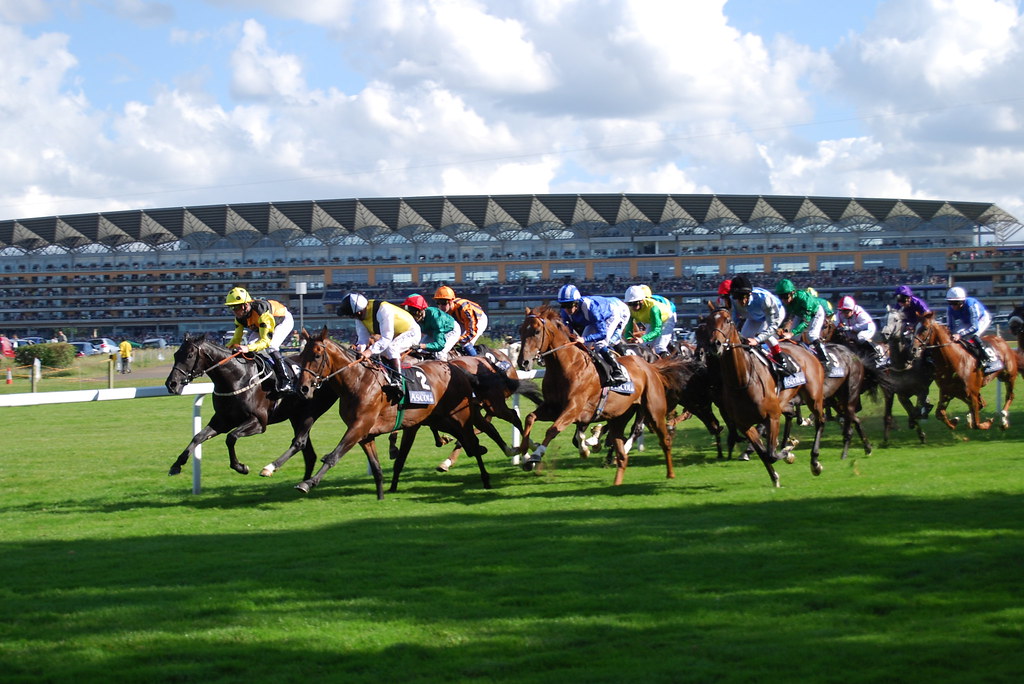

Royal Ascot 2025 Day 3: Expert Tips and Race Insights
As we build on the selections already posted above, this supplemental analysis explores deeper form angles, tactical considerations and value pointers for day three at Royal Ascot 2025.
All readers should be 18+ and remember to gamble responsibly; this page is informational and does not promise returns or financial outcomes.
How I Approach Each Race At Royal Ascot 2025
My approach combines recent form, pedigree, trainer patterns and race-day variables such as draw, ground and likely pace to identify value rather than favourites alone.
I place emphasis on context — how horses ran relative to one another, weight swings, and whether a runner is improving or regressing across its recent programme.
In-depth form notes and context for Pantile Warrior
Pantile Warrior’s juvenile form and recent handicap performances suggest a profile of progressive improvement suited to a race run at a solid gallop.
Key considerations are his mark of 87, the 8lb swing against Merchant noted above and winning family ties to Beshaayir which hint at both class and adaptability on good ground.
Pedigree, trainer form and likely ground suitability
Frankel bloodlines and a relation to Group 2 winners point to a preference for quicker ground and a turn of foot, which helps in Ascot’s King George V Stakes setup.
Review trainers’ recent spikes in form and jockey bookings as these small indicators often influence day-of-race performance and market movement.
Weight swings, claims and tactical draw analysis
An 8lb weight swing can be decisive in a staying juvenile event; draw and early pace will determine whether he can settle and produce a finishing kick.
Assess which rivals are held up or front-runners to understand whether the race will favour a stay-and-finisher type like Pantile Warrior.
Why Caspi Star Could Be A Hidden Ribblesdale Threat
Caspi Star’s recent Listed win and earlier proximity to promising fillies give her an upward profile for the Ribblesdale, especially if the pace collapses early.
Her box one draw removes a typical barrier and her progression from Southwell to Musselburgh shows a filly learning with each run; watch for fitness signals on the day.
How to judge each-way value and bookmaker offers
When pricing each-way contenders like Caspi Star, compare place terms across firms and consider smaller each-way stakes to capture value without overexposure.
You can explore current bookmaker offers through our comparison tools if you choose to bet responsibly and within your limits.
Assessing Trawlerman’s Gold Cup credentials and stamina
Trawlerman has a proven staying profile and runs fresh after a measured preparation which can be beneficial over two miles plus at Ascot.
His previous run beating strong stayers and consistency over long trips make him a leading contender, but always allow for high-class improvers and varying ground conditions.
Long-distance form, trip suitability and race tempo
Assess whether the key rivals prefer a strongly-run gallop or a tactical slog; Trawlerman’s best form tends to come when asked to travel into a genuine tempo.
Check veterinary declarations and how the horse has come out of previous races to gauge day-of-race readiness for marathon tests like the Gold Cup.
Hampton Court and Detain: mile and middle-distance notes
Detain’s French Guineas performance and seasonal progression suggest he handles fast ground and is ready to step up to Group 3 company without marked improvement.
Ignore anomalous runs on unsuitable soft ground and focus on sections where he has stayed on strongly; that finishing power is key over Ascot’s mile and a quarter.
Buckingham Palace Stakes: Ramazan and Array evaluation
Ramazan’s falling mark and Warren Fentiman’s 5lb claim give him a credible chance in a competitive handicap where course form holds weight.
Array’s juvenile Group 2 form and his comeback pattern point to a horse who may be mispriced on handicap debut, particularly if his last run can be upgraded due to a poor start.
Trainer patterns and recent stable form indicators to watch
Look for trainers who target Royal Ascot with specific prep races and whose horses have shown a pattern of peaking for big meetings.
Richard Fahey’s improving yard form, as mentioned above, is an instructive small-edge that can influence market confidence and straps into betting value.
Race-day checks and what to watch in the paddock
On the day, study each horse’s demeanour in the paddock, any visible scope or stiffness issues and how the rider rides out — these visual checks complement form study.
Also note warm-up patterns, sweat levels and whether horses show signs of aggression or calm; those micro-details often separate contenders from others.
Bet sizing, staking and festival bankroll strategy
Adopt a measured staking plan across a festival: back short-priced fancies sensibly and use smaller stakes on longer-priced each-way selections to manage variance.
Never wager more than you can afford to lose and set pre-defined loss limits and timeouts; disciplined bankroll control preserves enjoyment across multi-day meetings.
How to read market moves and late information
Sharp market moves close to post-time can indicate confidence from syndicates or insiders, but also be wary of illiquid market volatility on speculative selections.
Keep an eye on final declarations, non-runners and jockey switches; these changes can materially affect each horse’s chance and value proposition.
Using bookmaker comparisons for value and responsible play
Comparing prices, each-way terms and small sign-up promotions can improve long-term returns on marginal selections without encouraging extra risk-taking.
Remember to use comparison services to find the best terms and to limit your exposure; never chase losses or rely on bonuses to recoup defeats.
Weather, ground reports and how conditions affect chances
Ascot’s topography and drainage mean going can change quickly, so have contingency scenarios for key selections if rain arrives or temperatures shift.
Some horses reverse form on soft or heavy going, so prioritise those with proven versatility and avoid forcing bets on known ground losers.
How betting markets treat course-specialist performers
Course form matters, especially at Ascot where familiarity with the track’s undulations and pace plays are advantageous to returning runners.
When a horse has shown a liking for Ascot, treat that as credible insurance, but combine it with current form and fitness evidence before staking significant amounts.
Summary checklist before placing a wager at Royal Ascot
Quick pre-bet checklist: check final declarations, ground, jockey confirmation, market movement and confirm staking limits are adhered to.
Double-check each selection’s prep, trainer comments and how they have come out of their last run to avoid surprises at post-time.
Responsible gambling guidance for festival punters and readers
This site is for readers aged 18 and over only and emphasises that gambling should be treated as entertainment, not a way to make money.
If gambling causes harm or stress, seek support and use tools such as deposit limits, reality checks and self-exclusion to protect yourself.
You can explore our bookmaker comparisons and responsibly consider available offers using the tools on our site.
For responsible play: set budgets, avoid chasing losses and do not wager on credit or to solve financial issues.
Make use of official resources such as GamCare and GambleAware if you need guidance or support.
Always gamble within your means and consider the entertainment value of a bet rather than its financial return.
For further reading and to compare bookmaker free bet offers, see our dedicated free bets page: BestOfBets free bets.
For readers interested in casino welcome offers, you can view our affiliated casino bonus listings here: BestOfBets casino bonuses.
Frequently asked questions about Royal Ascot Day 3 selections
What should I check before placing a Royal Ascot bet?
Confirm the final declarations, ground report, any jockey changes and recent market moves before placing a wager.
How can I manage my bankroll across a festival weekend?
Set a fixed festival budget, divide it by days, and stick to conservative stakes to reduce the risk of rapid losses.
Are each-way bets recommended for long-priced runners?
Each-way bets can offer value on bigger-priced runners if the place terms are generous, but use smaller stakes to limit exposure.
How important is course form when assessing runners at Ascot?
Course form is valuable at Ascot due to track-specific demands, but it should be weighed alongside current fitness and form.
Where can I find the best bookmaker prices and terms?
Compare prices and place terms across licensed bookmakers using our comparison tools to secure the best available deal responsibly.
What responsible gambling resources are available in the UK?
UK resources include GamCare and GambleAware; use deposit limits, reality checks and self-exclusion if gambling becomes a problem.
Should festival tips be followed blindly?
No; tips are informational and should be balanced with your own research, staking plan and entertainment budget.
Is betting on horses a reliable way to make money?
No; betting involves risk and should not be considered a way to earn income or solve financial issues. Bet responsibly and only if you are 18 or over.