

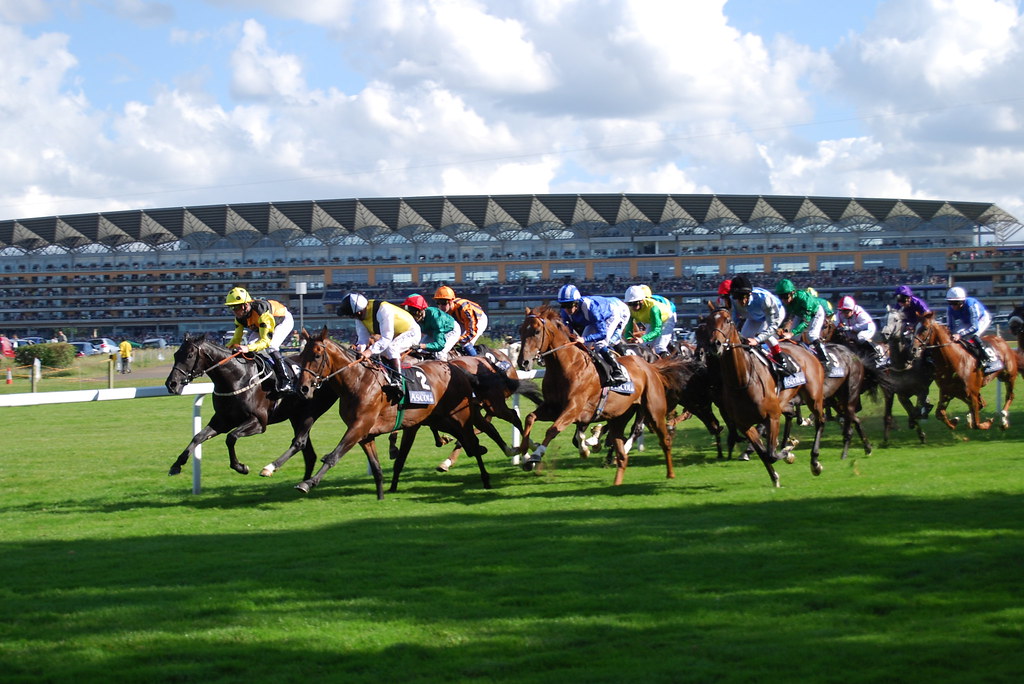

Royal Ascot Day 5 Tips and Expert Analysis 2025
Five key factors to consider for these Royal Ascot selections
Form lines, draw, ground, race shape and jockey bookings are the five pillars that matter most for day five at Royal Ascot. Assessing how each selection fits those factors helps separate genuine value from headline odds.
These criteria guide why Al Riffa, Iberian, Comanche Brave, Yah Mo Be There, Orazio and Apollo One are on the shortlist for the card. Use them to decide which markets to target and how to size stakes responsibly.
Al Riffa analysis: strengths, form and race tactics
Al Riffa’s profile suggests a horse who appreciates a big gallop and holds race course form over middle distances. The switch to first-time blinkers and a proven trainer-jockey plan are positives that justify an each-way interest at the quoted price.
Key tactical notes are likely to include patient riding and avoiding too much early speed, which should suit his staying qualities. Monitor the market for any significant moves from strong money that could indicate better-than-quoted chances.
Best markets and alternative bet ideas to check
Each-way and place-only markets often offer the best compromise for mid-priced runners in Group company at Ascot. Consider small win singles in combination bets where you cap exposure and retain a chance of return from multiple outcomes.
Iberian explained: sprint speed, draw and breeder form
Iberian’s sprint profile and juvenile form provide a baseline that justifies a long-price speculative in the QEII Jubilee Stakes, especially given recent training form. Shortcomings to note are the required step up at Group 1 level and potential trouble from a wide draw in a big field.
Look for confidence in connections and any late declarations that affect the draw balance before committing stakes. A modest each-way allocation preserves capital while keeping exposure to a potentially oversized price.
Stamina, speed and likely race pacing outcomes
Jubilee-type sprints often hinge on fast early fractions and the ability to maintain pace; Iberian’s recent runs suggest he can handle a strong tempo. If the race breaks up with a hot early pace, horses with a turn of foot and tactical speed will be favoured.
Comanche Brave and Yah Mo Be There: Jersey Stakes angle
Comanche Brave’s two notable runs this season and a reversion to seven furlongs look appealing for the Jersey Stakes, while Yah Mo Be There brings a solid Classic run that suggests the drop in trip could suit. Both carry credible form and profiles that match the race map at Ascot.
Factor in jockey bookings and stall positions when choosing between them, and consider split stakes if you want exposure to both without overcommitting. Backing them in different markets—win for one, each-way for the other—can manage variance.
Which ante-post or in-running markets to prefer
Ante-post markets give better odds but greater risk from non-runners; on-the-day markets reflect late confidence and fitness. If you value flexibility, use small ante-post stakes combined with on-the-day top-ups conditional on draw and ground reports.
Orazio and Apollo One: Wokingham and handicap options
Orazio’s repeated Wokingham entries and current mark present a credible case given his history fresh and over the Ascot sprint trip. Apollo One’s class is obvious, but top weight and a stiff mark mean you should be cautious about overrating a single run.
Handicap races at Royal Ascot can be chaotic; spread stakes and consider cover bets across a few bookmakers to lock in the best available place terms. Use form lines from similar handicaps and recent handicapping trends to refine your view.
Using bookmaker comparison tools for value spotting
Compare each-way terms and place concessions across bookmakers to find genuine value, particularly with longer-priced selections. Small differences in place terms or extra places can materially affect returns on marginal each-way plays.
Staking strategy: how to size and manage your portfolio
Adopt a staking plan that reflects the range of outcomes: smaller stakes on longshots and proportionally larger, conservative stakes on shorter-priced selections. Flat stakes, percentage of bankroll, or unit-based systems each have merits—choose what you can follow consistently.
Never stake beyond amounts you can afford to lose and avoid chasing losses; focus on process over short-term results. Record your bets and review outcomes to refine selection criteria for future cards.
How to size stakes and manage a small portfolio
Use units that are a small percentage of your available entertainment budget to preserve capital across a festival. That approach keeps exposure manageable and reduces the emotional impact of losing sequences.
In-play guidance: when to hold, hedge or cash out
Ascot races can change quickly, so in-play choices should be pre-planned rather than reactive; decide your thresholds for cashing out before the race starts. Hedging is sensible if a sizeable exposure suddenly risks turning into a heavy loss, but remember commissions and odds movement.
Live commentary and pace data are useful, but avoid overtrading on impulse. If you value learning, track in-running decisions and outcomes to improve future responses to similar race scenarios.
Responsible gambling reminder for UK bettors
Gambling is for those aged 18 and over and should be treated as entertainment, not a way to make money or solve financial problems. Bet only what you can afford to lose and set limits on time and money spent when using bookmaker services.
If you feel gambling is becoming a problem, seek help through UK support services and consider self-exclusion tools offered by operators. Our content is informational and not a recommendation to place bets.
How to use form and racecards to improve selections
Study recent runs, margins beaten, course and distance form, and trainer/jockey combinations to get a rounded view of each runner’s prospects. Pay attention to trends such as how winners in previous renewals were campaigned and whether front-runners or closers have had the edge.
Cross-reference Official Ratings and watch for short-term trainer patterns at Ascot to spot improving horses. Combining quantitative data with qualitative race reading creates the strongest foundation for sensible selection.
Market movement signals and when to react
Significant early money can indicate insider confidence or a change in connections’ plans, while late-market swings often reflect ground or rider news. Decide beforehand how large a price movement justifies action and stick to that rule.
Small shifts are normal and not always meaningful; dramatic shifts deserve investigation into the reason behind them. Use comparison sites to verify where best odds sit before placing or adjusting stakes.
You can explore our recommended bookmaker offers and free bet availability on our free bets comparison page for details on current new-customer promotions: https://bestofbets.com/free-bets. If you prefer casino bonuses, see the latest offers and terms on our casino bonus page: https://bestofbets.com/casino-bonus.
Frequently asked questions about Royal Ascot Day 5 tips
Can I use these tips for small-stake betting strategies?
Yes, these tips work for small-stake plans and are designed to help you pick suitable markets without large exposure. Keep stakes proportional to your bankroll and avoid increasing sizes after losses.
Are these suggestions suitable for in-play betting approaches?
The analysis highlights scenarios where in-play moves may be appropriate, but any live betting should be pre-planned and disciplined. Use live data sparingly and do not chase volatile odds impulsively.
How should I split stakes between win and each-way bets?
Split stakes based on perceived chance and value: smaller stakes for long-priced each-way selections and larger for shorter-priced win bets. The aim is to balance upside with downside protection.
Where can I find the best each-way terms for these races?
Compare bookmakers’ each-way terms and extra-place offers using our comparison tools to secure the most favourable markets. Even small differences can improve returns on long-shot each-way bets.
Is following trainer and jockey form important at Royal Ascot?
Trainer and jockey form is crucial, as patterns often repeat at festival meetings and can indicate readiness or targeting. Prioritise horses from in-form stables and riders experienced at Ascot.
What should I do if betting starts to feel problematic?
If gambling becomes concerning, use self-exclusion and limit tools provided by operators and seek support from UK help organisations. Always gamble responsibly and only with money you can afford to lose.
Are these tips a guarantee of success for bets placed?
No tip can guarantee success; these selections are informed opinions based on form and race analysis. Treat all bets as speculation and maintain a sensible staking plan.
Can I rely on free bet offers to reduce risk when trying these selections?
Free bets can reduce effective risk but come with terms and conditions, including wagering requirements and expiry periods. Read offer terms carefully and use them to manage exposure rather than as a sole strategy.