

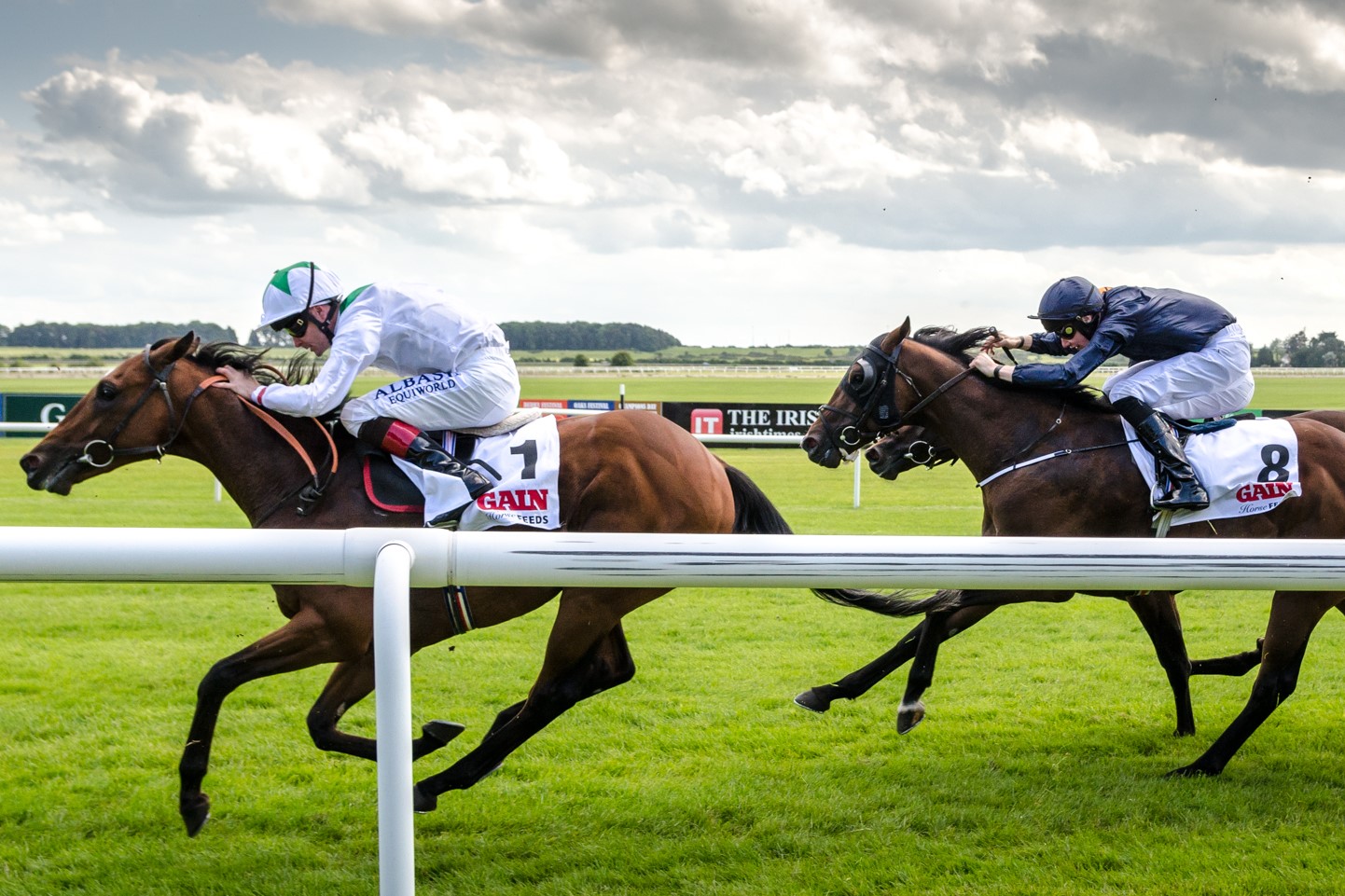

BestOfBets Weekend Horse Racing and Betting Guide
This companion piece expands on our weekend fancies and gives a practical, expert view on how to approach the Irish Derby weekend and supporting cards at Newcastle and York. The guidance that follows is intended for informed, responsible readers aged 18+ and focuses on analysis, stake control and finding value with reputable bookmakers.
How to Approach Irish Derby Weekend Betting Markets
Start with a clear plan: identify the races you understand best, match stakes to confidence levels and avoid chasing losses after a defeat. Treat the Irish Derby weekend as a set of individual betting opportunities rather than a single make-or-break event.
Consider form lines from Royal Ascot and recent pattern races alongside juvenile form, as that combination often separates true Classic contenders from one-race wonders. Remember to check non-racing factors such as declared jockeys, late rain and any confirmed reports of horses arriving in good order.
Assessing Form Lines and Recent Race Performances
Look for horses with consistent patterns of improvement and clear peaking runs over the spring and early summer, as those are often more reliable than runners returning from long layoffs. Give weight to shape of run as much as finishing position: a closing effort in traffic can be more valuable than a narrow loss on a slow pace day.
When assessing horses like Green Impact, examine juvenile wins, stepping-up runs and how those form lines have been franked by subsequent winners; a pattern of connections beating decent rivals repeatedly suggests a stronger chance. For handicaps such as those at Newcastle, prioritise progressive types and recent all-weather form if the surface is similar to the race day track.
Interpreting Sectional Times And Pace Maps For Races
Sectional times and pace maps help identify whether a race is likely to favour front-runners, hold-up horses or strong closers; map the likely pace scenario and cross-reference with each runner’s preferred racing style. On stiff tracks like Newcastle, a high cruising speed over six furlongs can be decisive whereas the Curragh’s undulations favour adaptable gallopers at 1m4f.
Use pace information to identify potential mismatches: a speedy type drawn to lead into a race lacking genuine tempo can steal a cheap each-way without being the most talented on paper. Conversely, horses that have shown sectional speed in defeat can pop up when pace collapses and the tempo suits their finish.
Picking Between Handicaps And Pattern Races This Weekend
Handicaps demand a focus on weight, recent handicap marks and progression, whereas pattern races require a stronger emphasis on class, breeding and proven form at the trip and level. For example, Aramram’s handicap mark and previous artificial surface form are more pertinent than raw Group form when evaluating Newcastle contests.
In pattern races such as the Irish Derby, pedigree, stamina indicators and a proven turn of foot at middle distances are highly relevant; look for sires and dams with staying influence and for juveniles who stepped up correctly. Avoid over-weighting a single race form line if there is conflicting evidence elsewhere in the horse’s record.
How Track Conditions And Draw Bias Affect Outcomes
Always check the going report on the morning of the race and track-specific draw bias notes, as some meetings see clear winners coming from low or high draws depending on rail position and surface. Heavy rain can turn a formbook inside out, favouring strong stayers and horses who have previously handled soft ground.
When markets are tight, a small advantage in handling the forecast going can justify an each-way bet at longer prices, but you should factor in whether the runner has proven form on similar ground or a pedigree that suggests they will cope. Use local clues, such as earlier races on the card, to confirm how the track is riding on the day.
Practical Bankroll And Stake Management For Weekend Bets
Set a fixed, pre-determined betting budget for the weekend and divide it across your planned selections by confidence level, rather than increasing stakes after losses. Use fraction-based staking (for example 0.5–2% of your bankroll per selection) to preserve funds and make more rational choices over a multiday festival period.
Avoid large multiples that hinge on many outcomes and prefer single stakes or carefully chosen doubles, unless you have a demonstrable edge and can reasonably quantify it. Keep a record of bets, stakes and outcomes; regular review helps identify which race types and bookmakers give you the best return over time.
Using Each-Way Strategies In Competitive Fields Effectively
Each-way strategies work best in large, competitive fields where the place terms are generous and the market contains a clear top pair with a swarm of contenders behind them. Identify horses that have lost narrowly in better quality races or have shown improvement when stepping up in trip, as they often provide reliable each-way value.
Check bookmaker each-way terms carefully and compare whether a 1/4 or 1/5 place fraction changes the attractiveness of your selection; at times a slightly lower price with better place terms can be more valuable than a bigger headline price. Be conservative with each-way stakes on sprint handicaps where form is often more volatile.
Choosing Bookmakers And Finding Value Odds Safely
Compare odds across licensed UK bookmakers and use our bookmaker comparison tools to find the best price and the most transparent terms, remembering that small differences in odds can significantly affect long-term returns. Prioritise firms with clear betting rules, fair dispute resolution and visible UK Gambling Commission licensing details.
Avoid switching to unregulated exchanges or overseas operators offering tiny price improvements at the cost of consumer protection; the security of your funds and access to customer service are important considerations when staking money. Where applicable, note whether promotions affect the effective odds and always read terms; never let a sign-up offer justify a bet you would not otherwise make.
Reading The Market And Reaction To Late Information
Market moves can reveal trainer confidence, jockey changes and late withdrawal significance, but they should supplement — not replace — your independent assessment of form and race conditions. A steady early move for a runner from a respected stable is often more informative than frantic late market swings driven by a few heavy backers.
Always verify late information via official racecards and trainer updates before placing bets, because weather, scratchings and jockey bookings can materially change the value proposition of a selection. When in doubt, reduce stakes rather than increase them in response to hurried market action.
Managing Multiple Races Across A Busy Weekend Card
When picking across several meetings like Royal Ascot leftovers, Newcastle’s big handicaps and the Curragh’s Classics, focus on where you have the most insight and avoid overextending into race types you rarely study. Quality over quantity improves your decision-making and reduces the risk of emotionally-driven bets late in the day.
Allocate time to pre-race inspection and post-race review, noting how individual tracks rode and whether your assumptions about pace and ground held true. This disciplined approach will refine your selections across future weekends and help you spot subtle edges other bettors miss.
Common Questions About Weekend Race Betting
Q: How should I size stakes for a Classic such as the Irish Derby?
Size stakes relative to your bankroll and confidence, reducing exposure on speculative selections and using smaller, conservative stakes for big-field Classics; remember bets should only be placed by those aged 18+ and who gamble responsibly.
Q: Is it better to bet each-way in large handicaps?
Each-way can suit large handicaps where place terms are generous and form is competitive, but always check the place fraction and number of places offered before committing funds.
Q: How much does pedigree matter for staying races?
Pedigree is a strong indicator of stamina, particularly for Classic distances; a sire and dam with staying influence increases the likelihood a horse will handle 1m4f and be effective on testing ground.
Q: When should I back a horse returning from a short rest?
Short turnarounds can be positive if connections indicate the horse came out of its last race well, but be cautious if form is only average and the horse lacks proven recovery between runs.
Q: Can weather forecasts change betting value?
Yes—forecast rain or drying tracks can alter the race dynamic and the suitability of individual horses, so re-check markets and form as conditions change prior to the off.
Q: What role do jockey bookings play in my selection process?
Jockeys can be decisive at key tracks and distances; a top jockey taking a ride can signal confidence from connections but should be considered alongside the horse’s form and the race pattern.
Q: Should I use bookmaker promotions to alter my approach?
Promotions can add value but avoid using offers to justify unsound bets; consider offers as marginal enhancements and always read the terms and conditions before participating.
Q: How often should I review my weekend betting record?
Regular monthly or seasonal reviews help identify strengths and weaknesses in your approach and allow you to adapt staking plans and race focus over time.
You can explore current bookmaker offers and compare prices through our comparison tools if you choose to bet responsibly; for details of free bets and welcome offers from our recommended bookmakers see https://bestofbets.com/free-bets. For those interested in casino bonuses from our affiliated partners, view the latest offers and bonus terms at https://bestofbets.com/casino-bonus.