

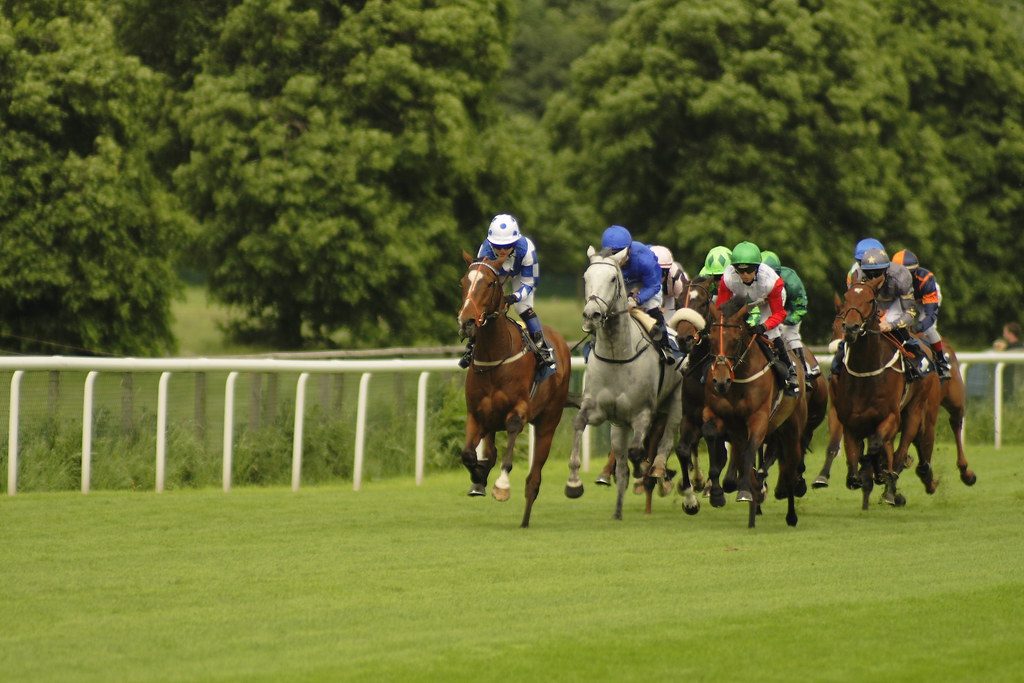

Coral-Eclipse Day: Expert Guide and Betting Insights
This expansion adds practical race-day analysis and betting guidance to complement the selections already published above. It is written for UK readers with a focus on responsible, informed betting and race evaluation.
Racecard Analysis, Form Lines and Betting Strategy
This section explains how to translate form lines into actionable ideas for Coral-Eclipse day and the supporting cards at Sandown and Haydock. It emphasises process over prediction and avoids guarantees, encouraging sensible, 18+ only participation.
How to read Group race form for betting decisions
Group race form is best viewed as patterns rather than single facts, so focus on finishing positions, margins and the quality of opposition to assess likely performance levels. Look for horses that have consistently run to a similar standard at the level and avoid over-relying on one standout run unless there are clear reasons it will be repeated.
Assessing three-year-olds versus their elders
When three-year-olds meet older horses, allow for potential improvement, weight-for-age allowances and seasonal progression that can favour younger runners later in the year. Compare race rhythm, ground preference and whether the three-year-old is stepping up in distance or facing older rivals for the first time.
Course and ground factors that affect chances
Sandown and Haydock have distinct characteristics — Sandown often rewards balance and speed over a galloping finish while Haydock can be more testing when soft. Check expected going, recent course winners and whether a horse has form on similar ground to reduce uncertainty.
Each-way and win staking: practical rules
Decide on each-way or win play according to field size, declared place terms and the bookmaker’s pricing rather than emotion or hope. For mid-priced runners in competitive handicaps or Listed races, an each-way approach backed by form logic can preserve value without chasing big-risk returns.
Trainer and jockey trends to consider on the day
Trainer form lines over recent meetings, jockey bookings and stable targets matter; track the Gosdens’ current patterns and trainer combinations that aim for the same race. A change of rider, a jockey’s track record or a stable’s recent winners can be useful context for adjusting stakes.
Using pace maps, draw and tempo data effectively
Pace maps and draw data help identify likely leaders and closers, which in turn influence each horse’s chance relative to the course configuration. For sprint contests and straight track races, a favourable draw or expected prominent tempo can be decisive, so weigh these against raw form.
Why recent Group 1 runs matter for current form
A recent Group 1 run shows a horse can compete at the top level but check finishing position, race pace and whether the run was on a suitable trip and ground. Horses dropping back into Group 3 company after a competitive Group 1 outing often hold value versus purely Listed rivals.
Interpreting weight, penalties and claims correctly
Weight changes, penalties and apprentice claims directly affect finishing margins, so convert pounds into expected lengths for the trip and consider whether a claim negates a recent penalty. In handicaps, small weight differences can matter; in weight-for-age contests a claim may be less impactful.
Using ground reports and weather forecasts to judge
Always check the going updates and recent rain forecasts because a shift from good to soft, or vice versa, can elevate or decrease a horse’s chance markedly. Compare a horse’s record on similar going and be ready to adjust selections if overnight rain changes the underlying assumptions.
How stall draw and track bias influence sprint races
Sprint races are often draw-sensitive and biases can emerge across a meeting, so note low- or high-draw advantages from earlier races to inform choices later in the card. For horses that prefer to race on the stands-side or off the rail, small draw differentials can be the difference between winning and missing a place.
Applying trainer form and stable statistics in betting
Look beyond headline wins and assess strike-rate, course-specific performance and whether a yard is priming one runner for a particular meeting. Trainers operating at a high volume but low strike-rate require a different approach to those who target fewer runners with higher pre-run probabilities.
How to weight value in larger Group races sensibly
Value in Group races depends on market context, course fit and likely improvement rather than headline odds alone, so identify horses with an improving profile or those underpriced due to recent conditions. Avoid heavy exposure to short-priced favourites unless form and conditions strongly support the market view.
Comparing recent run patterns and seasonal form cycles
Some horses peak early in the season while others improve through the summer; map recent runs against known seasonal cycles and intended targets to judge form peaks. Understand whether a short break indicates a freshener for a prep run or an untried ready-to-go campaign move.
Practical staking plans for festival and big day cards
Set a flat-stake or proportional staking plan before the day, allocate a fixed portion of your bankroll to feature races and stick to pre-defined limits to avoid impulse increases after losses. Adjust stakes only for demonstrable edge, not emotion, and keep record of bets to refine future decisions.
Reading market moves and understanding price shifts
Early market support can indicate inside confidence or a bookmaker correction, while late, sharp moves sometimes reflect significant market information such as jockey changes or trainer declarations. Consider both size and speed of market movement to separate noise from meaningful signals.
How to factor in international runners on UK cards
International runners bring different prep patterns and exposure to varied ground which can be an advantage or a risk; evaluate their recent travel, acclimatisation and runs against comparable competition. Trainers shipping horses should have credible reasons for targeting the meeting rather than using it as an exploratory trip.
When to favour form over market opinion and vice versa
Market opinion is useful but can be biased by public sentiment, so treat it as one input and favour form where it is coherent and repeatable; favour the market when it reflects robust news such as positive stable reports. A blend of both often delivers the most pragmatic selection approach.
How weather and late declarations can change the picture
Late withdrawals and sudden weather changes can make a previously strong selection less appealing or elevate a second-string contender, so monitor updates closely before committing stakes. If conditions change materially, be prepared to reduce exposure or reallocate bets to more suitable races.
Gambling responsibly: age limits, help and safer play guidance
Betting is for adults only — you must be 18 or over to participate in the UK, and the activity should be treated as entertainment rather than a way to make money. If you are concerned about your gambling, contact support services such as GamCare, use deposit limits and take breaks; bet only what you can afford to lose.
How to use bookmaker comparisons and offers responsibly
Bookmaker comparisons can highlight value in starting prices, each-way terms and novel offers, but use them to inform choices rather than chase promotions as income. You can explore bookmaker comparisons through BestOfBets’ tools if you choose to bet responsibly, and always read terms and conditions before claiming an offer.
Find our current recommended bookmakers and free bets to compare opening terms and each-way coverage in a single view, remembering offers are for new customers and subject to eligibility. You can also view current casino bonus offers for new customers at our casino bonus page if you are interested in non-sports promotions and are 18 or over.
What should I look for in Group race form guides?
Prioritise consistency, quality of opposition and whether a horse has shown a capacity to handle Group-level pace and finish. Look for repeatable patterns rather than single fluke results when forming a selection.
How do ground and weather affect horses’ chances?
Wet or soft ground can favour horses with proven cut-in-the-ground form, while firm conditions often help speedier types, so match the going to known horse preferences. Monitor forecast changes and adjust selections if the going shifts significantly.
When is each-way betting a sensible approach?
Each-way bets make sense in larger fields, handicap contests and races with generous place terms where multiple runners have credible chances. Use each-way play to preserve value when a runner’s form and price justify a place return rather than backing to win only.
Are trainer and jockey trends reliable indicators?
Trainers and jockeys with recent success at a track or over similar trips provide useful context but are not infallible, so combine trends with form and bookmaking prices. Consider stable intent and ride tactics before elevating trend signals into heavy stakes.
How should I size stakes for big race meetings?
Decide a staking percentage of your overall bankroll and apply it consistently, increasing only when you have a justified edge rather than chasing losses. Smaller, disciplined stakes across multiple races often preserve funds better than large single-event wagers.
Where can I find responsible gambling support resources?
If gambling starts to feel like a problem, seek help from UK services such as GamCare, the National Gambling Helpline or your bookmaker’s safer gambling tools. Set deposit limits, self-exclude if necessary and speak to advisers for practical steps to regain control.
What is the minimum legal age to place a bet in the UK?
The legal minimum age to gamble in the UK is 18, and operators must verify age and identity before allowing account activity. Always ensure you meet this requirement and gamble responsibly.
How do odds moves reflect market confidence or doubt?
Odds shortening typically signals increased market confidence or new information, while drift can indicate reduced support or insider doubt, but both require context such as stake size and timing. Use moves as one factor among form, ground and trainer intelligence when deciding whether to act.