
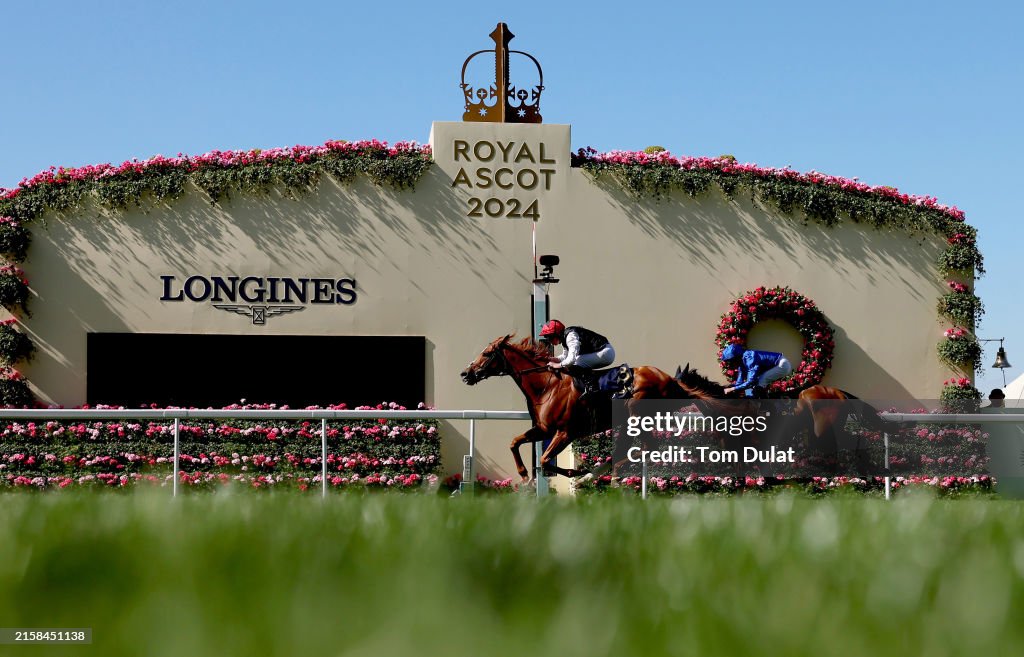

Royal Ascot 2024 review and road to the Arc
Royal Ascot 2024 produced striking headlines, sporting storylines and clear pointers for major autumn targets as the flat season gathers momentum in Britain and Ireland.
This review expands on the existing race reports and explores betting implications, trainer plans and market angles while reminding readers that all content is for people aged 18+ and that gambling should be undertaken responsibly.
Key takeaways for punters after Royal Ascot week
Ascot provided both confirmation and surprises: proven stayers regained form, a classic prospect reasserted himself and a veteran sprinter underlined tactical strengths that could shape future festival entries and ante-post markets.
Readers should use this coverage to inform measured ante-post thinking, consult bookmaker comparisons and adopt sensible staking plans rather than treating past results as guarantees of future returns.
How Kyprios and Auguste Rodin shape the Arc
Kyprios’s Gold Cup performance and Auguste Rodin’s Prince of Wales’s Stakes win have created an intriguing narrative for the Qatar Prix de l’Arc de Triomphe, especially with both horses showing form over complementary distances and conditions.
Punters considering ante-post interest in Paris should weigh stamina, draw, ground preferences and likely weight-for-age clashes rather than relying on headline victories alone.
Ante-post implications for Qatar Prix de l’Arc planning
Ascot form suggests that a clash between stayers stepping up and middle-distance champions stepping back is realistic, so market movers will include trainers’ declared spring and autumn targets and any confirmed entries at the autumn meetings.
When looking at ante-post markets remember the potential for injuries, international travel plans and mid-season targets such as the Irish Champion Stakes, which can alter the likely Arc line-up significantly.
Illinois and the emerging classic generation trends
Illinois’s Queen’s Vase success reintroduced a colt with strong juvenile and early-season form, indicating classic potential and raising questions about whether his connections will prioritise the Irish Derby, Goodwood or staying engagements later in the season.
For bettors, the key is to track declared targets and splits in distance performance, as some promising 3yos will be directed to middle-distance staying routes while others remain on classic trips.
Trainer planning and Irish Derby implications for Illinois
Aidan O’Brien’s likely focus on domestic targets makes a Curragh engagement and an Irish Derby run plausible, but trainers will also weigh up ground, field strength and long-term plans such as the Irish St. Leger as late-season options.
Shrewd ante-post play should therefore consider forecast ground conditions and the historical record of similarly campaigned Galileo progeny when estimating Illinois’s best routes and value timing.
Khaadem sprint form and summer targets explained
Khaadem’s repeat success in the Queen Elizabeth II Jubilee Stakes underlined his ability to produce a late surge and to handle Ascot’s unique rhythm, plus his trainer’s willingness to target festival sprints across the summer calendar.
That pattern suggests potential entries at courses such as Goodwood and Haydock where tactical speed and late gear changes often define outcomes, and that should inform sprint market interest and expected price moves.
Goodwood and July Stakes as next targets for sprinters
Connections often aim for high-profile summer sprints after Ascot, and races like the July Stakes and Stewards’ Cup can offer suitable maps for horses peaking in June, so watch declarations and any jockey bookings for signs of intent.
Betting strategy here includes assessing weight carries in big handicap sprints, recent course form and whether a horse’s run-style fits the prevailing pace scenario rather than chasing headline odds alone.
Trainer and jockey angles that influenced prices
Royal Ascot revealed how top trainers and leading jockeys continue to shape market confidence, with small tactical shifts, jockey bookings and late declarations moving prices and indicating intended festival programmes.
Punters should monitor stable patterns — for example, whether a trainer repeats a festival route, uses a specific jockey to sharpen tactical plans, or adjusts a horse’s campaign after a performance that exceeds or underwhelms expectations.
Markets to watch and where value could emerge
With Ascot results fresh in the book, the markets likely to present value are ante-post for the Arc, markets for the Irish Classics and selective handicaps at Goodwood and York where established Ascot form converts to shorter-priced expectations.
Value often appears where public sentiment overreacts to one race day: analyse sectional times, pace maps and the weather forecast to spot legitimate long-term prospects that the market may have overlooked.
How to interpret SP, morning prices and moves after a festival
SP and morning prices reflect both hard form and publicity-driven money; a strong post-race move can indicate genuine confidence but may also be a bookie reaction to liability rather than a true signal of future performance.
Practical steps include comparing several bookmakers’ morning prices, tracing intra-day moves and understanding the reasons behind shifts, such as jockey commitments, veterinary notes or trainer commentary.
Betting approach for major summer festivals and season planning
A pragmatic approach to festival betting combines short-term targets, sensible bankroll allocation and an eye on the autumn picture, avoiding the temptation to chase big odds after a single good result and instead mapping a season-long view.
Readers should plan budgets, use small ante-post stakes selectively and treat accumulators and novelty bets as entertainment rather than investment, always avoiding chasing losses or staking beyond comfortable limits.
How to use bookmaker comparisons responsibly online
Comparing odds, promotions and sign-up offers across bookmakers is essential for value hunting, but it should be done with a checklist: terms and conditions, minimum stakes, withdrawal rules and jurisdictional availability.
BestOfBets provides comparison tools to help with this process, and users are encouraged to use these tools responsibly and to remember any affiliate links are informational and not a promise of profit.
Data-led tips for assessing staying and sprint form
Use data such as pace splits, sectional times, ground variables and age-weight adjustments to separate hard form from performance inflated by pace or unusually fast ground.
For stayers, look for the ability to finish strongly and handle cut in the ground; for sprinters, assess gate speed, early positioning and the consistency of late acceleration to avoid overvaluing a single favourable run.
Practical checklist for following Ascot form into later festivals
Create a short checklist when translating Ascot form into future bets: confirm official ratings, monitor declared rides, check veterinary reports and track trainers’ public programmes for upcoming targets.
Applying that checklist reduces emotional betting and helps identify objective overlays where a horse’s price outstrips realistic chances based on empirical markers.
Summer season betting etiquette and responsible play reminders
Remember that betting is for adults aged 18 and over, and responsible gambling practices — such as setting limits, using self-exclusion tools and seeking help if losses become problematic — are vital for long-term enjoyment of the sport.
Never treat betting as a solution to financial problems, avoid staking beyond what you can afford to lose and consult charities or official helplines if gambling starts to cause harm.
We recommend exploring odds and offers through a selection of reputable bookmakers to make informed comparisons and to ensure access to competitive prices and sensible consumer protections.
You can explore current bookmaker offers through our comparison tools if you choose to bet responsibly and to find the best matched markets for Ascot and autumn festival planning.
See our top recommended bookmakers and their free bets for new customers on our free bets page.
Frequently asked questions about Ascot form and betting
What does Royal Ascot form suggest for Arc entries
Ascot wins and runs can show current fitness and class, but the Arc requires analysing distance suitability and autumn targets; use form as one input among many rather than a guarantee.
How should I approach ante-post betting on stayers
Ante-post stakes should be smaller and considered with an allowance for non-runners, change of plan and fluctuating ground; back selectively and avoid placing large sums on single outcomes.
Are there value angles in Ascot sprint markets now
Value can appear when a sprint performance is down to a strong pace or ideal ground, so study race context, pace maps and whether a horse can reproduce that profile at other courses.
Will Illinois target the Irish Derby or longer trips
Connections often weigh the Irish Derby against staying options; watch official declarations and trainer comments to determine whether the colt will stay at a classic trip or step up in distance later.
How do trainers balance festival targets and season plans
Trainers consider race spacing, ground, the horse’s constitution and long-term targets when planning, so a single Ascot run is usually positioned within a broader campaign rather than being the sole focus.
What responsible gambling practices should punters follow
Adults aged 18+ should use deposit limits, staking plans and self-assessment tools, and seek support from organisations such as BeGambleAware if they have concerns about their gambling.
Where can I compare bookmakers for Ascot offers safely
Use reputable comparison sites that list T&Cs, verify licensed operators and provide clear information on market coverage; always check the small print before taking any offer.
Are ante-post prices dependable after a major festival
Ante-post prices reflect early market views and liabilities and can shift dramatically after festivals due to form changes, so they require ongoing monitoring rather than blind trust.