

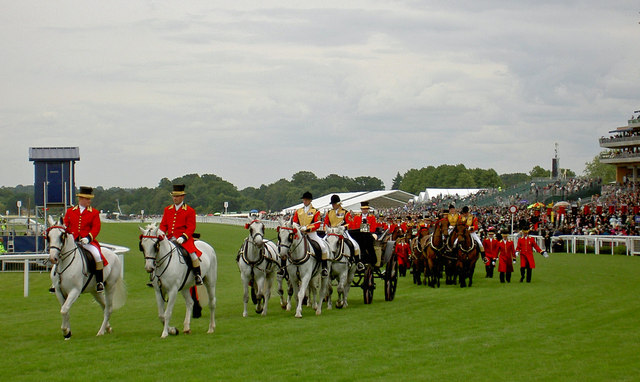

Royal Ascot: Expert Tips, Analysis and Betting Guide
This expansion complements our original Royal Ascot tips and selections by breaking down the practical factors you should consider when assessing races, spotting value and choosing suitable markets for both newcomers and experienced punters.
Content below explains form reading, ground and draw influence, sensible each-way approaches, handicap interpretation, bookmaker and exchange usage, plus clear responsible-gambling reminders for readers aged 18 and over.
How to Read Form, Draw and Ground at Ascot Races
Ascot’s five-day meeting tests horses across distances and course biases, so weighing recent form against historical performance at the track and on similar going is essential before backing any selection; consider margins, the quality of opposition and whether a performance came on soft or firm ground when building a case.
Draw and pace are equally important on Ascot, particularly in sprints where the rail can prove decisive on certain days, so cross-check jockey comments, sectional times and any course-specific quirks to refine your choices rather than relying on headline odds alone.
Sprinters versus milers: pace and race shape matters
Sprint races at Ascot often hinge on a fast early tempo or a sharp dash from stalls, while milers need rhythm and the ability to handle the unique uphill finish; understanding which horse is likely to lead, sit handy or come from off the pace will help you pick suitable betting angles and forecast combinations.
When evaluating a sprinter versus a miler, compare best times over comparable trips, recent wind-up performances, and whether a horse has shown an aptitude for the Ascot terrain in past runs, because subtle differences in race shape can change value significantly.
Why ground reports and weather forecasts matter most
Ascot’s going can change quickly in summer, and a wet spell turns firm-track form on its head, so always consult up-to-the-minute official going reports and reliable weather forecasts before committing to a stake, especially for each-way selections where ground preferences influence finishing positions.
Trainers will often declare based on likely ground and some late withdrawals are made to avoid unsuitable conditions, so factor in late changes and the historical soft/firm records of horses and riders when adjusting your bets on race day.
Assessing trainers, jockeys and recent performance trends
Trainer and jockey form cycles matter at Ascot: top yards target specific races and will produce horses in peak condition, while a jockey’s proven ability on Ascot’s contours can add confidence to a bet, so review recent strike rates, stable notes and how frequently a jockey teams with a particular trainer.
Pay attention to horses returning from a break, those stepping up in class and ones whose runs show improving pattern, because short-term trends and targeted prep runs often reveal a horse that is ready to outperform its current odds when connections have aimed it at this meeting.
Which markets suit novices and experienced punters alike
Newer bettors often do well focusing on straightforward win and each-way markets where research is manageable, while experienced punters may explore forecasts, tricast or exchange lay opportunities that require deeper form analysis; pick markets that match your knowledge and bank size rather than chasing novelty bets.
Each-way betting is invaluable at big meetings where small fields and close handicaps increase the chance of outsiders placing, but always check each-way terms and the number of places paid before backing to ensure your stakes align with value expectations.
Each-way strategy and sensible staking at big meetings
At Ascot, sensible each-way strategy involves selecting horses with a credible chance of finishing in the places while avoiding long-shot punts that hurt long-term returns; look for form on similar ground and distance, consistent finishing positions and trainers who frequently place their runners at big meetings.
Staking should be a percentage of a clearly defined bankroll and tailored to market odds: smaller stakes on speculative long shots and larger, disciplined stakes on selections where the research shows a clear edge, always remembering losses are part of betting and not a route to income.
Checking bookmaker odds, terms and free bet offers
Before committing, compare odds across several reputable bookmakers and read the terms on promotions, as free bets, enhanced odds and welcome offers differ in rollover requirements and qualifying rules which affect value and eligibility for returns.
You can use bookmaker comparison tools to view multiple offers side by side, but treat promotions as supplementary information rather than the main reason to place a bet, and avoid signing up to multiple services only to chase bonuses without a betting plan.
Reading the handicap: finding value in big handicaps
Big handicaps at Ascot demand careful interpretation of ratings, weight-carrying history and whether a horse’s recent form suggests it is on a workable mark, because a slight underestimation by the handicapper or a return to a favourite trip can transform chances; focus on progressive profiles and proven stamina rather than headline odds alone.
Look for horses whose recent performances show consistent improvement and who have been lightly raced for their rating, as well as those with a pulling-up or late-run style that suits Ascot’s long straight, and be prepared to rule out horses that prefer extreme ground conditions when the official going does not match their profile.
Using betting exchanges and lay strategies responsibly
Betting exchanges can offer superior value for those familiar with trading and laying, but they carry different risks and commission structures compared with bookmakers, so learn the mechanics of liability, volume and market depth before committing significant funds on exchange platforms.
Lay strategies may look attractive for favourites that appear overbet, yet they require strict risk management and clear exit rules, and are best used by experienced punters who monitor markets and react quickly to shifting odds rather than as a default approach for casual bettors.
Bankroll management and responsible staking plans
Effective bankroll management is essential: set a dedicated betting fund, define unit sizes that represent a small percentage of that fund, and never chase losses or expand stakes after a losing run, because disciplined staking preserves capital and reduces emotional decision-making during high-profile meetings.
Remember that betting is for entertainment, not income; only bet if you are aged 18 or over and able to afford to lose the money staked, and make use of stake limits, self-exclusion and support resources if gambling is becoming a problem.
Practical in-play considerations for Ascot bettors
In-play betting at Ascot can offer opportunities when race dynamics change unexpectedly, but live prices move fast so use a single trusted device, understand bookie latency and avoid over-trading as quick decisions under excitement often lead to value erosion.
Where possible, set pre-defined in-play rules — for example maximum in-play stake per race — so you stick to a plan and do not increase risk under pressure from volatile market swings or social media commentary during the meeting.
How to use form study tools and race replays effectively
Race replays and sectional time analysis provide context beyond the bare result, helping you see how a horse travelled, whether it stayed the trip and how the pace unfolded; make replays part of your routine for horses you plan to back rather than relying solely on written form lines.
Combine replays with tools that show course-specific statistics, trainer strike rates and going preferences to build a rounded view that highlights contenders who may be undervalued by the market heading into post time.
If you want to compare current bookmaker offers and free bet deals available to new customers you can review our curated list and comparison page for trusted options. Visit our free bets page to see recommended bookmakers, their offers and eligibility details: https://bestofbets.com/free-bets.
For readers interested in casino welcome offers, bonus terms and how they compare across providers, see our dedicated casino bonus page for a summary of available offers: https://bestofbets.com/casino-bonus.
How to use form, draw and ground in bets
Use form to identify consistency and improvement, check draw and pace data for course-specific advantages, and match those insights with official going to decide whether a horse’s profile suits Ascot on the day.
What is an each-way bet and when to use it
An each-way bet splits your stake between win and place, useful when a horse has a solid chance of finishing in the places but the win looks unlikely; use it where placed returns and terms justify the additional outlay and you have evidence the horse handles the conditions.
Are free bets and promotions worth checking first
Free bets and promotions can add value but never substitute for sound selection judgment; always read the terms and treat bonuses as an occasional enhancement rather than the primary reason to bet.
How to manage your bankroll during big race meetings
Set a clear bankroll, limit units to a small percentage of that pot, and decide maximum stakes per day to avoid impulsive decisions; regular review and adherence to limits keep betting within affordable entertainment levels.
Can I use betting exchanges alongside bookmakers safely
Yes, but understand the differences: exchanges allow peer-to-peer betting with liability on lays and commission on winnings, while bookmakers provide fixed-odds offers; use both thoughtfully and avoid overexposure across platforms.
What should under-18s and vulnerable people do about gambling
Gambling is strictly for those aged 18 and over; if you are under 18, do not attempt to access betting services and seek support if underage gambling has occurred, while vulnerable people should use self-exclusion, deposit limits and seek independent help if gambling becomes harmful.