

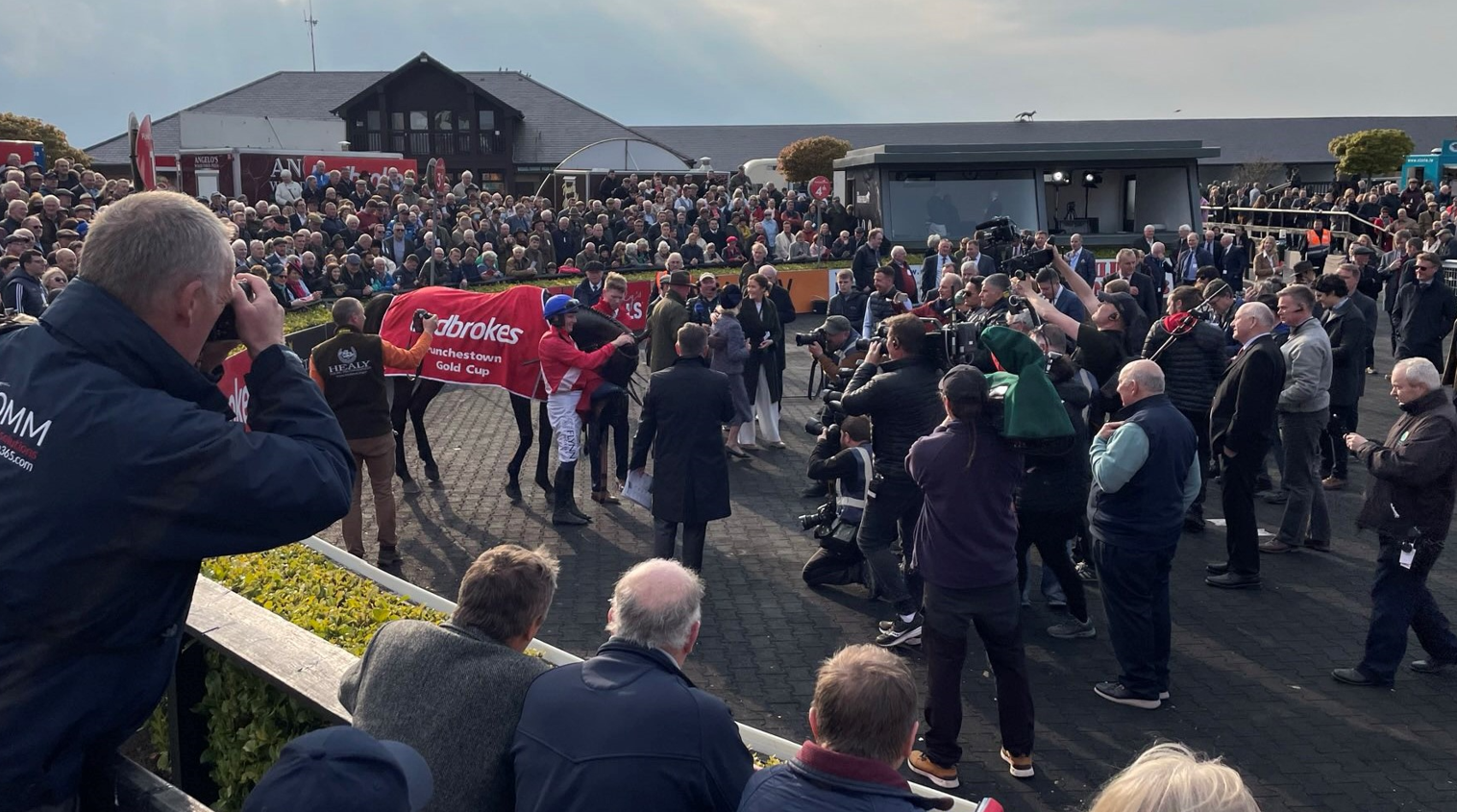
Punchestown Festival Tips and Betting Angles Guide
The following expansion offers practical angles to complement the original Punchestown preview and help inform your race-day thinking.
This guidance is for readers aged 18+ and encourages responsible gambling; never bet more than you can afford to lose.
Analysis, Form Considerations and Betting Strategy
This section sets out how to interpret racing form, trainer patterns and market value across the first two days of Punchestown.
It focuses on practical steps for assessing mares’ hurdles, novice chases and competitive handicaps without promising outcomes.
How recent form affects mares and novice hurdlers
Recent runs at Cheltenham and Fairyhouse are useful but often misleading when horses return to Punchestown after a quick turnaround.
Give more weight to clear finishing efforts and visible fitness rather than a single soft effort, especially for mares stepping up in grade.
Assessing trainers, yard form and festival records
Trainer trends at spring festivals reveal which yards time their runners well and which are sending in horses with purpose rather than filler runs.
Consider both recent strike-rate and historical festival performance; trainers such as Martin Brassil and Willie Mullins have shown strong festival targeting that can affect market respect.
Picking value in chases: weight, age and recent runs
Chase contests demand scrutiny of weight concessions, age-related stamina and how well a horse has run over similar trips recently.
Lightweight aged horses with a proven finishing kick or veterans dropping from a high mark can represent value in big handicap chases if race shape suits.
Each-way considerations and how to size stakes safely
Each-way plays are often the most sensible approach in competitive Punchestown handicaps where there is depth and pace variance.
Stake sizing should reflect perceived value and variance; keep stakes proportional to bankroll and avoid chasing losses.
Interpreting going reports and their impact
Going descriptions at Punchestown can change quickly in spring; check the official going and race-by-race updates close to post time.
Some horses have a clear preference for soft or yielding ground, and that should be a key filter before committing stakes.
When to back a horse fresh or with a prep run
Freshness can be an advantage for young hurdlers but older chasers often need a prep run to sharpen up, depending on their profile.
Examine the type of prep run — a forward, finishing effort is a better pointer than a laboured comeback.
Reading jockey bookings and small fitness clues
Stable jockey bookings, late rider changes and declared weights offer useful clues on expected tactics and fitness levels.
Short-priced replacements or top retained riders often indicate a stronger chance, but always balance that against form and course suitability.
Race-by-race approach for the first two days
Adopt a targeted approach by identifying one or two races where you have a clear angle rather than spreading stakes across many events.
For day one look at mares’ novice hurdles and early chases; for day two focus on intermediate chases and open handicaps where course experience matters.
How to use market moves and morning-line signals
Early market support can highlight confidence from connections or selective backers, but beware of short-lived spikes driven by few bets.
Look for sustained market moves during the day and cross-check with any late news from connections to validate those signals.
Understanding each-way terms and place fractions
Each-way returns are governed by the bookmaker’s place terms; larger fields and competitive handicaps usually pay deeper places.
Compare place terms across firms and use that information when assessing the value of an each-way proposition.
Adapting to race-day withdrawals and non-runners
Withdrawals can materially change race shape and affect hold-up types versus front-runners; reassess value after the final declarations.
If a favourite is withdrawn, market equilibrium can shift and previously unruly races may become more predictable in terms of pace.
Applying the angles to named horses from the preview
Walk With Paul: the form around Limerick and the three-pound allowance noted earlier make her a plausible place contender if she handles the ground.
Classic Getaway: consider fitness and whether the step up in trip or a return after a break suits him compared with proven stayer types in the line-up.
Veteran handicaps: using past course form to advantage
Horses like Royal Rendezvous often retain course preference and course form is a reliable factor in veteran handicaps at Punchestown.
A proven course winner dropping in mark or returning to a similar race conditions can merit a small each-way wager if the handicap looks workable.
Trainer and jockey combinations to watch this week
Closutton and Mullins yards will have several key contenders; pay attention to jockey bookings and whether retained riders take priority rides.
Smaller yards with targeted festival entries can also deliver value when their horses are overlooked by the market.
Spotting overlooked contenders in large fields
In big handicaps, a horse that has been quietly consistent and is under the radar can be more valuable than a short-priced figure with question marks.
Check for horses dropping in grade, carrying a competitive weight and showing a recent upturn in form on similar ground.
Practical pre-race checklist for bettors
Always verify the official going, final declarations, jockey bookings and any late veterinary notes before placing a bet.
Decide on stake size in advance and stick to your plan; avoid emotional bets based on short-term market noise.
Responsible staking and bankroll management guidance
Set a weekly or festival budget and use a staking plan; treating betting as entertainment reduces the impulse to chase losses.
If gambling is causing any harm, use support resources and consider self-exclusion options available from bookmakers and Gambling Commission guidance.
Final thoughts and how to use this guide
This guide is intended to help you make informed, measured decisions at Punchestown without promising results or encouraging risky behaviour.
You can use the angles above alongside the original race commentary to build a shortlist of bets that fit your risk tolerance and bankroll.
You can explore current bookmaker offers through our comparison tools at https://www.bestofbets.com/free-bets if you choose to bet responsibly.
For readers interested in casino offers as an alternative form of entertainment, see our listing of casino bonuses at https://www.bestofbets.com/casino-bonus.
Frequently asked questions on Punchestown betting tips
Q: Should I follow market leaders or look for outsiders?
A: Both approaches have merit; market leaders often reflect consensus form while outsiders can offer value when you identify a clear angle. Always size stakes accordingly and remain 18+ responsible.
Q: How important is festival experience for horses?
A: Course and festival experience can be a real advantage, especially in big-field handicaps where handling the atmosphere and fences matters.
Q: When is each-way betting preferable at Punchestown?
A: Each-way bets suit large, competitive handicaps or races without a clear favourite, offering a way to spread risk while targeting value.
Q: How do I factor trainer form into selections?
A: Look at recent strike-rates, festival targeting and whether a trainer tends to peak horses for spring festivals; combine this with individual horse form for balance.
Q: Are fresh horses better than those with a prep run?
A: It depends on profile; young, improving types can benefit from freshness, while established chasers often need a prep run to be fully competitive.
Q: What role do jockey bookings play in betting decisions?
A: Retained jockeys and late positive bookings often indicate confidence, but verify final weights and tactical plans before staking.
Q: How should I manage my bankroll during a festival week?
A: Allocate a fixed festival budget, use sensible stake units and avoid increasing stakes after losses; seek help if gambling becomes problematic.
Q: Where can I find the best bookmaker terms for each-way bets?
A: Compare firms using bookmaker comparison tools to see place terms and odds differences before placing each-way bets, and always be 18+ responsible.