

Best of The Day: Newmarket and Longchamp Picks
This page expands on our race-day observations for Newmarket and Longchamp while keeping the original race commentary intact. Please note that this content is for readers aged 18 and over and encourages responsible gambling at all times.
Racecourse Conditions, Form Notes and Betting Angles
Weather and going are often decisive at both Newmarket and Longchamp, so assess official going updates before backing any selection. Focus on recent runs on similar ground, finishing speed, draw implications and trainer form when weighing market prices.
How Sacred Angel’s form maps to Newmarket pace
Sacred Angel’s two emphatic wins and a credible Group 3 performance show she handles tempo when prominent, which suits the typical Newmarket six-furlong pattern of an early speed battle. Watch the stall draw and early pace map because a low draw and a slow break could leave her boxed in, reducing her chance of dictating terms.
Market movement and value identification tips
Compare prices across several firms to spot early money and shortening odds that signal real market confidence. If Sacred Angel drifts notably on the day, that can indicate concerns about the draw or late track reports and may remove value from the quote.
How trainers and jockey bookings affect selections
Charlie Johnston’s placement record with two-year-old fillies is improving and James Doyle is a proven Group 1 pilot, which supports confidence in Sacred Angel’s ability to handle big-race pressure. A last-minute jockey change or a heavy-looking saddle cloth should be considered when finalising stakes.
Vandeek: pedigree, ground preference and prospects
Vandeek’s hat-trick, including the Prix Morny on soft ground, shows class and adaptability, but his sire line leans to quicker surfaces which suggests an upward move on good ground is possible. The combination of Group 1 experience and an upward-looking pedigree makes him a sensible favourite, though the market could undervalue opponents who thrive on good ground.
Assessing two-year-old progression and draw bias
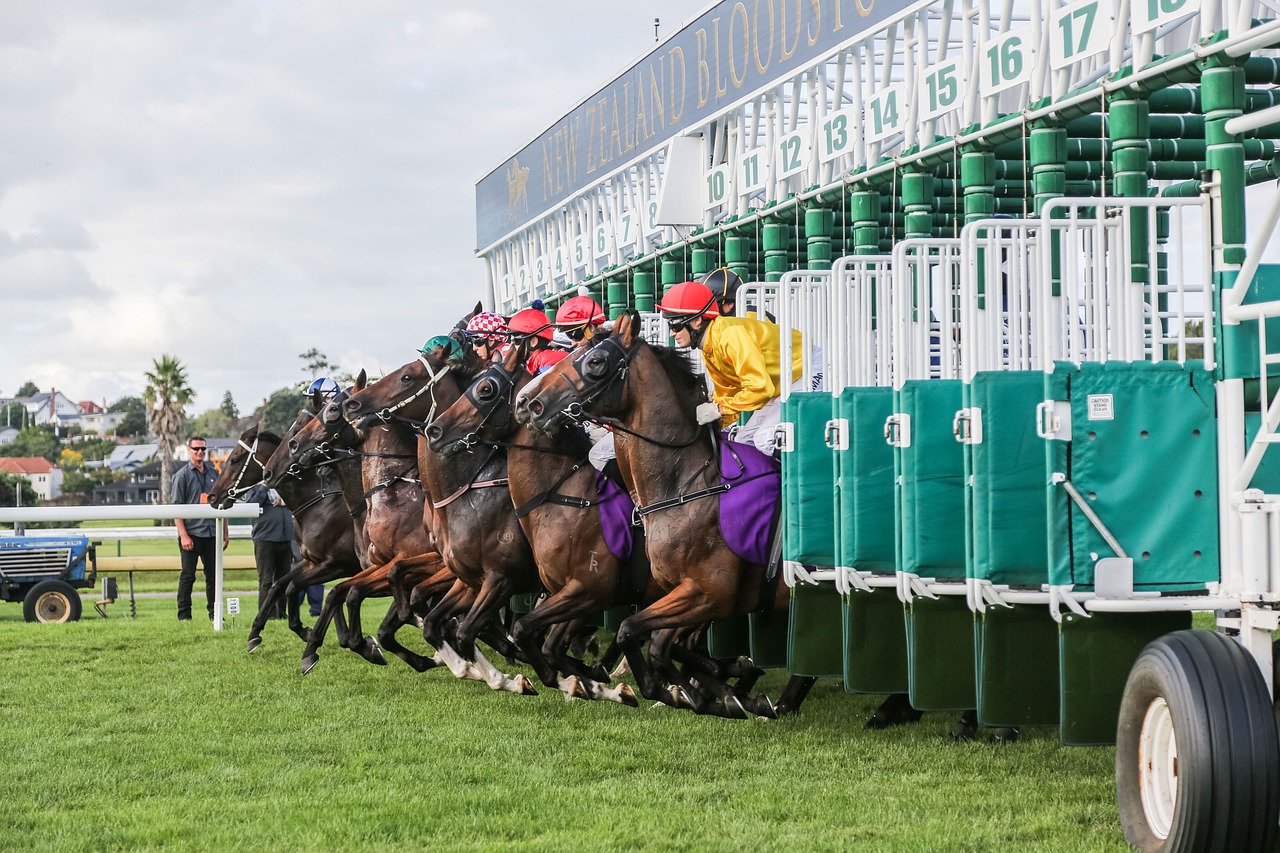
Two-year-olds can improve quickly between runs; check gap length and any wind surgery or schooling reports before backing. At Newmarket, early speed can be decisive and a wide draw with a slow break can force a promising juvenile into a difficult trip.
Embesto each-way case and Longchamp ground factors
Embesto’s Group 3 success and preference for better ground give him each-way appeal at Longchamp, where faster going can reward a horse with a turn of foot. Consider that some rivals prefer cut in the ground, so if Longchamp dries out, Embesto’s chance increases and makes the each-way play more credible.
Watch for race tempo and race-fit patterns
Embesto’s form suggests he performs well when the race is run to suit a strong finisher, so identify likely front-runners and how they shape the contest. Race fitness and seasonal targets can also tell you whether an each-way price is backed with intent or offered for padding the market.
Comparing the Newmarket and Longchamp small fields
Small fields place a premium on positional tactics and a clear run on the home turn, which changes how you evaluate hold-up versus prominent types. With good ground expected at both tracks, connections may be more willing to push for the lead, which affects where you want your selection positioned.
Late money, course bias and in-running considerations
Monitor late market shifts which can reveal inside information or simply trader activity; an early plunge may justify a smaller, cautious stake. In-running options can be useful in small fields because a single unseating of tempo can create opportunities to cash out or trade a position responsibly.
Practical betting strategy for these races and stakes management
Decide stake sizes before the race based on confidence level, taking into account each-way policies and bookmakers’ place terms. Use a flat-staking or graded-staking approach and never stake more than you can afford to lose.
Staying safe: stake sizing and bankroll guidance
Set a monthly betting budget and treat tips as information rather than guarantees, avoiding chasing losses with larger stakes. For those using affiliate offers or free-bet credits, read the terms and only use promotions as a way to extend entertainment value, not to recoup losses.
How to interpret form lines and collateral form
Collateral form — the performance of horses who raced against the same opponents — helps establish a baseline for relative ability, but variations in ground and class explain many disparities. Give extra weight to recent runs on similar trips and conditions when comparing horses from different races or jurisdictions.
Using bookmaker offers and comparisons responsibly
You can explore current bookmaker offers through our comparison tools if you choose to bet responsibly, and always check welcome offer terms before registering. Avoid staking free bets on high-risk parlays if you are trying to preserve bankroll value; consider single or each-way plays instead.
Pre-race checklist for Newmarket and Longchamp selections
Before committing, confirm official going, last-minute non-runners, weight changes and jockey declarations, then re-evaluate your stakes accordingly. Keep records of bets and outcomes to help refine your selection process over time.
We do not guarantee any outcome and this material is intended for information only for those aged 18 and over; if gambling causes harm, seek support from BeGambleAware or your chosen help service. Remember to gamble responsibly and never treat betting as a way to make money or solve financial problems.
You can explore our current bookmaker free-bet offers and comparisons on our dedicated page at https://www.bestofbets.com/free-bets. For casino bonus offers and affiliated casino promotions please see https://www.bestofbets.com/casino-bonus.
Is Sacred Angel a good value at the quoted price?
Sacred Angel’s form and Group 3 win make her a credible contender, but draw and early pace are key variables to watch before confirming value. If markets shorten without clear reason, reassess whether the price still represents value against the likely pace map.
Should I trust Vandeek on quicker ground this weekend?
Vandeek’s pedigree suggests he can improve on better going and his Group 1 form is strong, making him a worthy favourite on good ground. However, consider rivals that have thrived on faster turf and compare sectional times where possible.
Is Embesto viable each-way on expected ground?
Embesto looks a reasonable each-way option if the ground is good, given his Group 3 form and preference for better surfaces. Check each-way terms and place fractions across bookmakers to ensure the odds justify an each-way punt.
How should I interpret small-field tactics for betting?
Small fields often magnify the impact of a slow break or a tactical lead, so favour horses with proven positional adaptability. Consider in-running options or smaller stakes when uncertainty over pace exists.
What stake size is recommended for these selections?
Stake sizes should reflect your bankroll and confidence level; use proportional staking rather than chasing losses. A modest flat-stake approach preserves longevity and helps you learn from outcomes without risking excessive exposure.
Where can I check latest odds and market moves before betting?
Check multiple bookmaker sites and exchange markets for the best available price and any significant shortening or drift. Late market movement can indicate quiet support or changing conditions, so verify before placing a bet.
What do I do if I’m worried about problem gambling?
If gambling is causing you distress, contact BeGambleAware or local support services for confidential guidance and consider setting deposit and time limits with bookmakers. Help is available and seeking support is a responsible step if gambling behaviour feels out of control.