

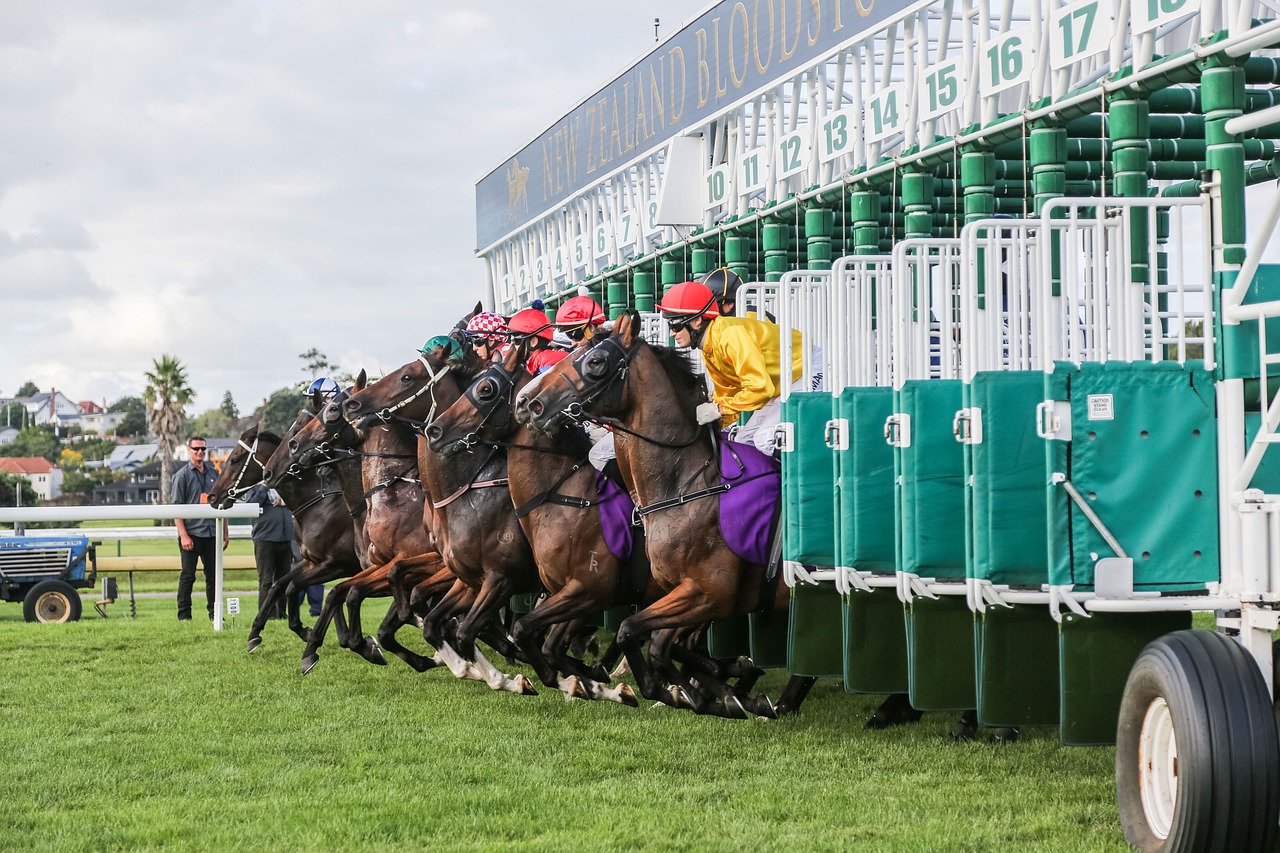

Newmarket Craven Meeting Day 1: Expert Tips & Analysis
This supplement expands on the Newmarket Craven Meeting Day 1 tips with deeper form, market and practical staking guidance for UK punters. Please remember that betting is for adults only — 18+ — and you should gamble responsibly at all times.
Why these Newmarket selections deserve close attention
The selections already listed benefit from clear evidence of form, suitability for the Rowley Mile and trainer-jockey combinations that have delivered recent winners. This section adds context on how to read those clues and apply them when assessing each race and the respective prices.
Detailed race-by-race analysis and selection reasoning
For the 1:50 Newmarket handicap, Aramram’s recent seconds on quicker surfaces and a 3lb claim returning to Joe Leavy give a profile of a colt trending the right way in handicap company, and the Southwell performance reads well relative to likely opposition. In the Group 3 Nell Gwyn-style contest at 3:35, Arabian Dusk’s Group 2 winning form and softer-ground pedigree provide a logical route to victory if the ground stays on the kinder side.
Reading the form: key statistics and recent trends
Look beyond finishing positions to the context of each run, including sectionals, margin beaten and the quality of rivals, since a second in a hot handicap can often outrate a narrow win in a lower grade event. Recent trends at Newmarket suggest that three-year-old fillies with Group experience and proven stamina are well treated in races like the Nell Dwyn Stakes when the ground is soft to good.
How to use form lines to spot improvers quickly
Identify horses showing consistent forward movement across starts, such as shorter margins beaten from previous to current runs and stronger sectional closing speed, because these are signs of tangible improvement rather than one-off luck. Focus particularly on horses that have won or placed off similar marks and that have changed equipment, trip or ground profile in a way that explains a step forward.
Jockey and trainer notes that influence race chances
Trainer patterns — frequency of entries at Newmarket, recent strike-rates at this meeting and performance with similar types — are often as decisive as the horse’s recent form. Jockey bookings, including claims such as Joe Leavy’s 3lb, alter the weight-carrying profile and should be combined with trainer intent to judge whether a horse is being set for a big run.
Jockey bookings and weight claims that matter most
Assess whether a jockey is engaged for multiple rides on the card and if they have prior success with the owner or trainer, because those relationships can translate into marginal advantages on race day. Pay attention to young jockeys taking valuable claims where the reduction in weight moves a horse into a significantly more competitive position on the handicap scale.
Weather and ground: how conditions change form lines
Newmarket’s Rowley Mile is sensitive to changes in going and a little rain can materially favour horses proven on softer turf, as noted with Arabian Dusk’s pedigree and sibling form. When checking the going, consider both overnight forecasts and race-day moisture, because trainers will often declare on horses expected to handle the prevailing surface.
Comparing prices across firms to find best odds available
Before placing any wager, compare odds across reputable bookmakers to capture the best value available, as even small differences in price change implied probability and long-term value for a staking plan. Use comparison tools and check whether firms are offering enhanced place terms or non-runner money-back conditions for the meeting.
Market moves and best-value approaches for modern punters
Early market enthusiasm can highlight a first-choice in a race but beware short-term overreaction to social media tips; the sharp money from professional backers usually arrives closer to race time and can be a truer guide. Where you identify value relative to your estimation of a horse’s chance, consider betting a portion of your planned stake early and leaving a second tranche to be matched later if the market confirms your view.
Responsible staking and bankroll tips for punters
Set a staking plan before the meeting and stick to percentage-based stakes that reflect your overall bankroll, avoiding chasing losses or increasing stakes after a run of defeats. Keep records of bets placed, including the rationale behind each selection, so you can review and refine your approach over time while staying within responsible gambling limits.
How to apply these tips specifically to Aramram and Arabian Dusk
Aramram: combine the recent seconds at Kempton and Southwell with the jockey claim and consider EW (each-way) coverage at the quoted 6/1 where the field seems open; a small EW stake may suit those seeking reduced downside. Arabian Dusk: her Group-level experience and pedigree that handles give her a primary win interest at 10/3, and a straight win stake reflects confidence in her class when conditions suit.
Practical checks to do on race day before betting
On race day, verify declarations, check the actual going reported at Newmarket and note any late jockey changes or withdrawals that can materially alter a race’s dynamic. Confirm that the price you want is available and consider whether enhanced terms or free-bet offers from bookmakers make a small difference to how you place a stake.
How in-running and forecast markets can be used carefully
In-running betting offers alternatives where a horse’s early pace or position suggests a differing finishing profile, but use such markets sparingly and within your staking plan because volatility increases risk. Forecast and tricast options can produce attractive returns in competitive fields, yet they are harder to land and should command smaller stakes relative to singles or each-way bets.
Notes on handicapping at Newmarket for competitive edges
When handicapping, weight carried relative to recent marks, the degree of improvement evident in recent starts and suitability to the track’s tempo are key differentiators between near-equals. Look for runners dropping slightly in class or returning from a break with a strong piece of form on similar ground, as they often provide exploitable angles in open handicaps.
Using bookmaker comparison and offers responsibly
You can compare bookmaker odds and sign-up offers to find reasonable terms that suit your approach, but avoid viewing offers as a reason to bet more than you planned. If you choose to use promotional credit, treat it as a way to experiment with small stakes rather than a method to increase exposure or chase returns.
Summary: practical next steps for punters at Newmarket
Combine the form clues already highlighted for Aramram and Arabian Dusk with fresh race-day checks — going, declarations and market moves — before committing stakes, and apply a measured staking plan that aligns with your bankroll. Remember that betting should be entertainment: stay within limits, and seek help if gambling stops being enjoyable or becomes a problem.
You can explore and compare current bookmaker free bet offers on our dedicated free bets page to see up-to-date sign-up promotions. We also list new customer casino bonuses and the main terms on our casino bonus page for players who wish to compare offers responsibly.
How should I interpret Newmarket form for betting?
Focus on the quality of rivals a horse has faced, closing speed, margins and consistency rather than raw finishing position, and adjust for changes like trip and ground. Always remember that betting is for adults only — 18+ — and to gamble responsibly.
What track and ground factors are most relevant here?
Newmarket’s Rowley Mile can favour different types depending on whether the going is good or soft, and draw can matter in big fields on the straight course, so weigh pedigree and previous soft-ground form. Avoid assuming conditions will always be identical to past reports; check the official going on race day.
When is it sensible to back a progressive younger horse?
Back a progressive three- or four-year-old when there is clear evidence of improving speed figures, stronger competition in recent runs and a suitable drop or rise in class. Keep stakes modest until the horse confirms progress at the new level.
How important are jockey bookings and weight claims today?
Jockey bookings indicate trainer intent and race ride quality, while a weight-claim can materially improve a horse’s handicap chance; combine both when assessing the true chance. Consider whether the claim reduces weight against key rivals rather than in isolation.
What staking plan limits risk without reducing interest?
Use fixed-percentage staking of your total bankroll for singles and smaller fractions for exotic bets, and never increase stakes to chase losses. Maintain a record of stakes and outcomes to keep betting within planned limits.
How do I compare bookmaker prices efficiently for value?
Use price-comparison tools and check several reputable firms, including any enhanced place terms or non-runner refund policies, to secure the best available odds. Minor price differences add up, so make comparison a routine part of placing bets.
Where can I find bookmaker comparisons and free bets safely?
We publish an up-to-date comparison of bookmaker free bet offers on our free bets page, helping you view terms and choices in one place, and remember to use offers only within your planned staking. For casino bonuses and welcome offers, our casino bonus page lists current promotions and their core terms for newcomers.