

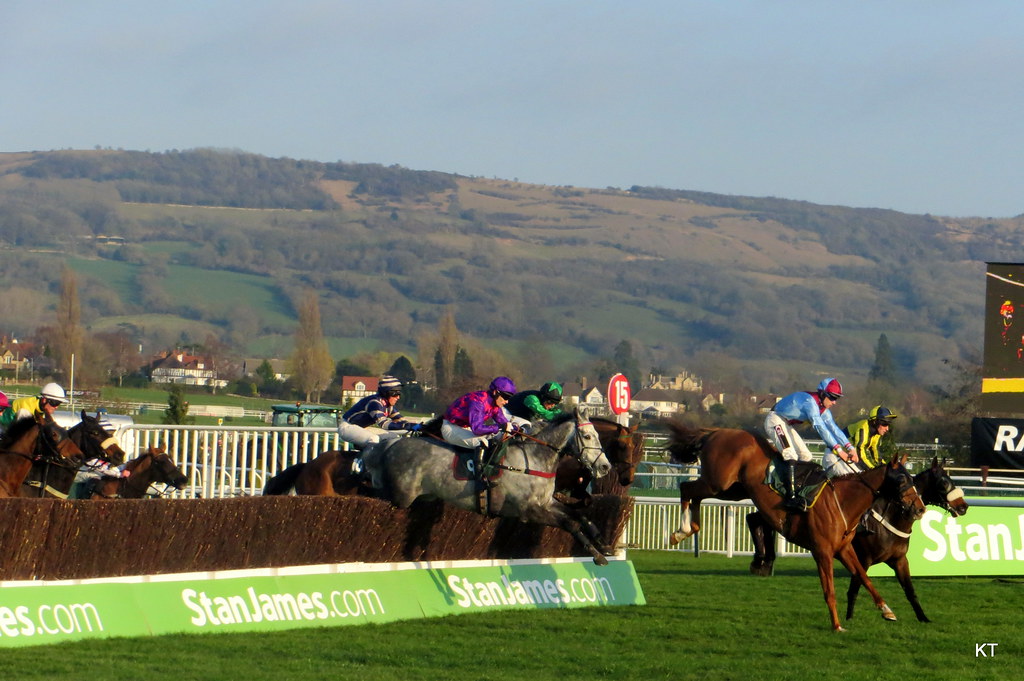

Kempton, Kelso and Newbury Weekend Racing Preview
How to assess key handicaps and form lines
This expansion complements the race-by-race notes above by outlining how to read form, weights and race shape for weekend cards at Kempton, Kelso and Newbury. The aim is to help readers make informed, responsible decisions when assessing the market and potential selections.
Why course and ground matter for each selection
Course configuration and prevailing ground are often decisive, particularly when horses like Heltenham and Toonagh Warrior have clear ground preferences. Check a horse’s past runs at similar conditions and prefer those with proven ability on the going described in the racecard.
How to use weather and going reports effectively
Going descriptions can change rapidly, so monitor official reports and good local trackers in the hours before racing. For heavy or soft ground, focus on breeders and damsire lines known to handle cut-up conditions, as noted for Toonagh Warrior.
Assessing trainer and jockey form for weekend runners
Trainer patterns, such as Dan Skelton’s tendency to target specific tracks and Nicky Henderson’s use of key early-season targets, add context to a horse’s chance. Jockey bookings, recent partnerships and stable commentary can reveal confidence levels and tactical intent.
Reading trainer comments and stable indicators
Trainer comments often hint at fitness or wind adjustments and should be weighed against objective form lines rather than taken at face value. Note any equipment changes or wind procedures, as small adjustments have influenced performances for similar horses in previous meetings.
Reading recent race pieces and their relevance
Look beyond finishing position to the nature of a run: closing from far back, awkward jumping or pace-affected efforts all change how you interpret form. For example, a close defeat over a different trip does not always negate a chance back at a preferred distance.
When to favour form lines over raw ratings
Raw official ratings are a useful baseline, but context matters; a horse with a slightly lower rating can outrun the number when stepping back to a suitable trip or going. Use recent strong pieces of form, such as a close finishing effort against well-regarded rivals, to justify backing at a bigger price.
Spotting value in early-season novice events
Novice hurdles and chases early in the season are prime places to find value as horses improve rapidly and ratings can lag behind ability. Personal Ambition’s turn of foot and lack of a Grade 1 penalty are examples of where form and context can create market value.
Practical staking and each-way strategies explained
Stake size should reflect confidence, race depth and each-way terms; selective staking protects a bank while allowing meaningful exposure to stands-out chances. For novice contests with uncertain depth, consider smaller each-way stakes if bookmakers offer generous place terms.
Interpreting official ratings and handicap marks
Handicap marks are an important guide, but they should be read alongside the time, race conditions and the weight a horse carried relative to rivals. A rating that looks lenient on paper, such as a 138 mark in a mares’ contest, gains context when allied to consistent form against strong opponents.
How markets move on race day and why it matters
Early market moves can reflect inside confidence, stable support or public preference, while late drift may indicate concerns or improved alternatives. Monitor moves across multiple bookmakers and use exchanges where appropriate to see how liquidity and price consensus develop.
Using pace maps and in-race scenario planning
Pace is a huge influence, especially on galloping tests at Newbury and Kelso; identify likely front-runners and those with a proven ability to stay on. Plan for multiple scenarios so you can judge whether a horse like Charles Ritz has the stamina and tactical adaptability for a new trip.
Comparing bookmaker prices and finding margins
Price shopping between reputable UK bookmakers materially affects long-term returns and short-term value extraction. Use comparison tools to identify the best available odds and always consider terms such as non-runner no-bet and improved each-way deals.
Responsible gambling prompts and age restriction notice
All betting content is intended for readers aged 18 and over and for informational purposes only. If you choose to bet, do so responsibly and view wagering as entertainment rather than a way to make money.
Weekend staking plan for selective race coverage
Adopt a clear staking plan before the card; outline maximum stakes per day and treat weekend tips as selective exposure rather than a directive to stake beyond means. Small, consistent stakes and discipline around losing runs are essential to long-term enjoyment and budget control.
Practical staking and each-way strategies explained
For the races mentioned above, a combination of single-win stakes on confident selections and small each-way stakes on longer priced chances spreads risk. Avoid escalating stakes after losses and never chase losses; set and adhere to weekly or monthly limits.
How to follow in-running developments safely
In-running betting can offer tactical advantages but also increases impulse decisions and variance, so approach it cautiously. Limit in-play activity to clear, pre-determined scenarios and avoid reacting emotionally to early race events.
Using form trackers and race replays for better selections
Replays reveal jumping technique, cruising speed and recovery ability in a way raw form lines rarely do, so make watching key runs part of your process. Focus on the final furlongs and how a horse handled pressure, which often separates a likely improver from a one-off performer.
How to construct a small portfolio of weekend picks
Create a small, balanced portfolio mixing short-priced prospects and speculative each-way picks to reduce variance and maintain engagement. Document reasons for each selection to refine decision-making over time and to analyse where your strengths and weaknesses lie.
Managing bookmaker accounts and offers responsibly
Spread funds across a handful of trustworthy bookmakers to take advantage of price differences and bonus terms without overextending. Read offer terms carefully, keep track of wagering requirements and view promotional bets as optional tools rather than central income sources.
How to use weather and going reports effectively
Check microclimate reports and the clerk of the course updates within hours of racing, as quick rain or drying conditions alter the appeal of many runners. If a meeting sees variable rain, favour horses proven on soft to heavy ground rather than assuming a drying track will suit all.
Putting the weekend cards into context with Cheltenham in mind
Early-season races often act as trials or fitness tests for bigger festivals, so note horses aimed at later targets and whether their runs look like learning experiences rather than peak performances. Under Control’s use as a stepping-stone to Cheltenham-style targets, for example, is a tactical indicator of ambition and conditioning.
Final checklist before placing any bet
Before staking, confirm official declarations, jockey changes, any late ground updates and available each-way terms to ensure a selection still fits your original rationale. If new information changes the scenario, re-evaluate rather than placing a bet out of habit.
Summary guidance for weekend readers and bettors
Use a structured approach: assess ground and distance, consult trainer and jockey context, compare prices across bookmakers and apply a disciplined staking plan. Always bear in mind that betting is for entertainment and losses should be affordable within your personal budget.
Reading trainer comments and stable indicators
Combine trainers’ public comments with objective measures like recent two-mile and three-mile performances to assess readiness and suitability. Look for patterns of improvement from the stable and be cautious when a trainer rapidly switches targets without clear explanation.
When to favour form lines over raw ratings
Prefer recent, strong race pieces and course-specific form when those factors suggest improvement beyond the official rating. Ratings are backward-looking and should be balanced against credible positive trends in form and fitness.
How markets move on race day and why it matters
Market movement often codifies inside information or confidence and can be used to find value or to avoid overpriced selections. Where multiple bookmakers shorten a selection markedly, check for reasons such as stable entries or late declarations before committing funds.
Responsible-play resources and support information
If you have concerns about your gambling, seek help from reputable UK organisations and use account tools such as deposit limits, reality checks and self-exclusion. Remember that help is available and seeking support is a responsible step for anyone feeling they are losing control.
Practical next steps for interested readers
Follow race replays, track trainer patterns across meetings and use comparison tools to check the best available odds before placing an informed, responsible wager. For those who wish to explore bookmaker offers, do so without pressure and only after reading the terms related to free bets and bonuses.
Frequently asked questions about weekend race analysis
What should I look for in a horse’s recent runs?
Look at finishing position, how the horse travelled and whether it coped with the trip and ground. Prioritise performances that show a strong late response or clear margin over the rest of the field.
How important is trainer form when weighing a selection?
Trainer form provides context about fitness, targeting strategy and stable confidence, so it is a meaningful factor in selection. Patterns of improvement from a specific yard can justify backing horses even if the official rating is starting to catch up.
Should I always back horses suited by heavy ground reports?
Only back heavy-ground specialists when the official going and weather forecast support that assessment. A horse that has won on soft or heavy ground previously is more reliable in those conditions than an unproven contender.
How do I make sensible staking decisions for a weekend card?
Decide stakes in advance, use a consistent unit size and never increase stakes to chase losses. Treat selections as entertainment and ensure any betting remains affordable within your personal finances.
Are bookmaker offers worth using for weekend racing?
Bookmaker promotions can add value if you understand the terms and do not use them as an excuse to place larger or riskier bets. Compare offers and expiry conditions and use them selectively to complement your staking plan.
What is the best way to follow late race-day information?
Monitor official declarations, jockey switches and clerk of the course updates, and use reputable trackers or bookmaker notices for final market movements. Re-assess your selection if significant new information emerges before the off.
Where can I find help if I think my gambling is becoming a problem?
If you believe your gambling is problematic, contact UK support services and consider using account tools like limits or self-exclusion immediately. Help is available and taking action early is a responsible choice for anyone affected.
You can explore current bookmaker offers and compare free bet promotions here. You can also view the latest casino bonus offers for new customers on our casino bonus page.