

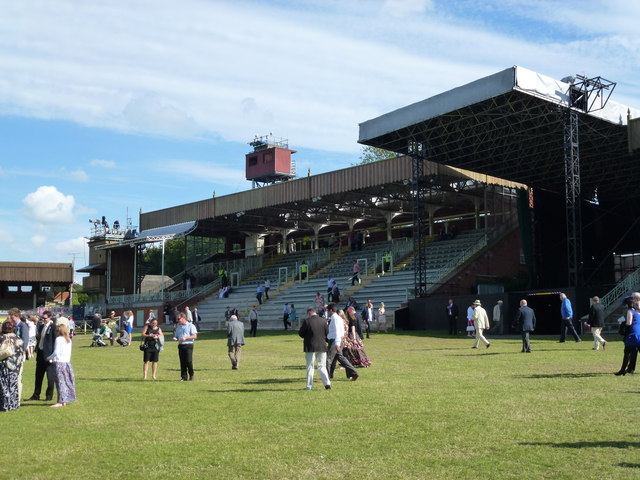

Newmarket July Festival Day Two: Expert Insight
The July Festival at Newmarket is a quieter but high-quality meeting that often reveals future stars and betting value for informed punters. This expansion complements our existing day-two tips by outlining how to read form, markets and practical race-specific factors for the four highlighted contests.
How to assess horses and markets at Newmarket
Assessing Newmarket runners requires combining recent form, pedigree clues and market behaviour, with particular attention to ground and trip changes. This section explains the practical checks I use before backing horses such as those already listed in our tips.
Interpreting form lines for the Heritage Handicap
Form lines from races like the London Gold Cup matter because they show how horses handle similar conditions and opposition, so weigh recent Class and finishing position alongside any excuses reported. When a horse like Chantilly has been out of form at Ascot but performed well on firmer ground previously, that pedigree and trip change can be decisive.
Form guides and recent race performance cues
Look beyond finish position to the style of run, margins and whether the horse faced trouble in running, because a strong gallop or congested run can disguise ability. Also check whether the horse is stepping up or down in trip as this often explains improved or diminished performances.
Ground, trip and stall draw considerations
Newmarket’s July course can favour different running styles depending on the going, so verify each runner’s record on firm or good ground and whether they have a clear route into the race. For horses dropping in trip, consider their turn of foot and recent closing sections rather than raw distance stamina figures.
Making sense of the Duchess Of Cambridge Stakes
Group races for fillies like the Duchess Of Cambridge are often decided by class and tactical speed, so assess which juveniles have been running in pattern events and against quality rivals. Heavens Gate’s front-running style and previous near-miss behind Fairy Godmother suggest she can be very competitive if the pace plays out.
Market signals and bookmaker pricing insight
A short-priced favourite in a small elite field usually reflects consensus view but check early market moves for smarter money and look for drift as a sign of doubt. If a filly such as Fiery Lucy is priced at double-figure odds, ensure her recent form lines are robust enough to justify each-way interest rather than speculative backing.
Key handicapping notes for the bet365 Trophy race
Handicaps at Newmarket require precise weight-for-age and recent handicap mark analysis, with emphasis on horses that perform well fresh and handle pace changes. Bague D’Or’s consistent handicap form on seasonal returns is the sort of profile that merits respect in a competitive raffle, while Knightswood’s low weight and staying pedigree give him each-way appeal.
Assessing handicap progression and fitness patterns
Check how a horse’s official rating has moved with wins and whether that rise fits the current mark; many reliable handicappers perform best on a fresh mark rather than at peak weight. Also review stable news for any comments on fitness, as trainers often aim targeted campaigns at specific summer handicaps.
Practical staking and diversification advice
Avoid staking everything on a single selection in competitive handicaps; consider small each-way stakes or combinations across the top-placed form horses to manage variance. Use bookmaker comparisons to find the best non-committal price and match your exposure to the field size and likelihood of a close finish.
Analysing the Falmouth Stakes for punters
Group One races demand the strictest form filter, picking fillies and mares who have proven themselves at pattern level or in top-class trials earlier in the season. Porta Fortuna’s Coronation success after a close run in the 1000 Guineas marks her as a legitimate Group One contender when rival connections do not bring their strongest acts.
How to interpret 1000 Guineas and Coronation form lines
When Guineas form has worked out strongly, favour horses who ran prominently and were beaten narrowly rather than those who hit the front early and faded. If a filly has improved between the Guineas and a subsequent Coronation run, track whether that improvement was tactical or a genuine progression in class to gauge Falmouth prospects.
How paddock and trainer notes can alter opinions
Inspecting how a horse looks in the paddock and reading trainer comments on vigour, appetite and intended tactics can provide extra edges when deciding between closely rated rivals. Trainers often reveal whether a horse will be ridden prominently or held up, information that helps anticipate race pace and finishing positions.
Using race-day variables to refine selections
Race-day variables such as forecast rain, draw bias and declared jockey changes materially affect likely outcomes, so revise selections as final details emerge. Keep a simple check-list for the day: official going, non-runner updates, jockey bookings and any late market moves.
How to interpret jockey and stable form together
A strong jockey booking can be a deciding factor when two horses are closely matched on paper, particularly if the rider has a good record with that stable. Likewise, a stable in form across the card suggests they have prepared horses well for the conditions and may be worth extra attention in exotics.
Bankroll management and responsible staking plans
Set a pre-determined staking plan that reflects your bankroll and risk tolerance and avoid chasing losses; disciplined stakes protect enjoyment and long-term participation. Remember that betting should be for entertainment only and never treated as a way to solve financial problems.
Where to compare bookmaker prices and special offers
Comparing odds across bookmakers is a sensible step to ensure the best available price, especially when margins are tight in high-profile races. You can explore current bookmaker offers through our comparison tools if you choose to bet responsibly and within your limits.
Practical tips for following form in-season
Track the same handful of trainers and sires across the summer meetings to gain pattern recognition about which combinations handle Newmarket’s July course. Maintain a simple database of recent runs, going preferences and any notable equipment changes to see trends developing across the festival.
How to use non-runners and declarations updates
Non-runners can change race dynamics by removing a pacemaker or a major stumbling block, so re-evaluate the race if key horses are withdrawn. Pay attention to rider confirmations as a last-minute switch can provide insight into confidence levels or tactical alterations.
Understanding each-way value in summer handicaps
Each-way bets can be sensible in large handicap fields where pace and luck in running create more places than favourite-dominated pattern races. Identify two or three horses with consistent top-three finishes on similar ground for a more conservative each-way approach.
How weather forecasts should influence final calls
Rain forecasts often reshuffle formlines, making horses with proven soft-ground form more attractive and undermining those with exclusively good-to-firm records. Check the going description on race day and adjust your selections to reflect the most likely surface the horses will face.
Communicating tips responsibly to readers
When publishing selections, always include age restrictions and remind readers that betting carries risk, promoting safer-play resources where appropriate. Content should be informative and avoid sensational language or pressure to bet, aligning with UK regulatory standards.
Summary checklist before placing a bet at Newmarket
Run through a brief checklist: confirm the going, check any equipment changes, note last-minute market moves and verify jockey bookings before placing a stake. Use bookmaker comparisons to get the best price and stick to your staking plan to maintain sound bankroll control.
Gambling is for people aged 18 and over only; play responsibly and seek help if gambling causes problems or concerns. You can explore current bookmaker offers through our comparison tools if you choose to bet responsibly.
For our recommended bookmaker free bets and offers visit our free bets page: https://bestofbets.com/free-bets. For casino bonus offers from our affiliate partners see our casino bonus page: https://bestofbets.com/casino-bonus.
Which horses suit the July course at Newmarket best
Horses with a proven turn of foot and past performance on good or firm ground often perform well on Newmarket’s July course. Also consider those who handle sharp turns and have tactical speed for mid-distance sprints.
How should I use form from Royal Ascot when betting
Royal Ascot form can be influential, but adjust for race conditions and class differences as not all Ascot form transfers directly to Newmarket. Look for consistent patterns rather than isolated performances when using Ascot as a guide.
Is each-way betting a smart approach in these races
Each-way betting is sensible in large handicaps or competitive pattern races where finishing places can be closely contested. Limit stakes and select horses with recent top-three finishes to improve value.
When should I change my selection based on the going
If the official going description changes from good to soft, favour horses with proven soft-ground form and be cautious with those untested on worse surfaces. Make final decisions after reviewing the declared going on race day.
How important are jockey bookings for these entries
Jockey bookings matter when form and ratings are similar, as top riders can extract more from a horse and influence race tactics. Consider a jockey’s recent form and record with the trainer as part of your assessment.
Where can I find the best bookmaker prices for each race
Use our bookmaker comparison tools to check odds across multiple operators and secure the best value before placing a bet. Always ensure you are 18 or over and bet responsibly when using offers or promotional prices.
What staking advice suits summer festival betting
Adopt a measured staking plan proportionate to your bankroll and risk appetite, avoiding large wagers on single selections in competitive fields. Diversify stakes across races and bet types to reduce volatility.
Who should I contact if gambling becomes a problem
If gambling causes harm, contact organisations such as GamCare or local support services for confidential help and advice. Remember that help is available and self-exclusion tools exist from most bookmakers to support safer play.